How Allegra and Image360 Reshape Franchise Dynamics in Commercial Printing
The Industrial Impact on Commercial Printing Operations
Allegra and Image360's recognition as top franchises by Franchise Business Review signals a significant shift in the commercial printing franchise market. This acknowledgement not only highlights their business success but underscores an evolving operational paradigm that franchisees and print industry stakeholders must acknowledge. These brands' endorsement is a marker of standardized quality, operational efficiency, and scalable business models that influence shop floor workflows, client engagement, and technology adoption.
On the shop floor, Allegra and Image360 franchises exemplify streamlined print production, service diversification, and integration of marketing materials with advanced print technologies. Their franchise blueprint often includes standardized processes that reduce variability in output quality and maximize equipment utilization. For printing shops, this shifts the competitive landscape where operational consistency becomes as valued as custom innovation.
Franchisees benefit from robust training, supply chain efficiency, and centralized data management tools driving faster turnaround times and customer retention. Industrial printing hubs have historically faced fragmentation in processes and inconsistency in service levels; Allegra and Image360 challenge this by offering proven frameworks tailored for franchises, which means accelerated operational maturity and process benchmarking for newcomers and established operators alike.
This transformation continues to ripple within the supply chain, influencing consumable usage patterns, technology lifecycle planning, and workforce skill development. The franchise-centric approach forces suppliers and technology partners to align their product offerings with higher volume, consistent demand, and rapid deployment requirements, thereby recalibrating industrial-scale resource allocation and R&D strategies.
Technical Anatomy of Allegra and Image360 Franchise Models
1. Standardized Production Processes and Technology Integration
Allegra and Image360's franchises leverage standardized workflows that integrate state-of-the-art digital and wide-format printing systems. This uniformity ensures optimal machine uptime, precise color management, and scalable finishing operations. Producers benefit from proprietary asset management software that coordinates job scheduling, inventory tracking, and quality control — translating to consistent outputs and minimized errors.
2. Hardware and Consumables Optimization
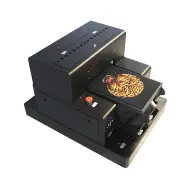
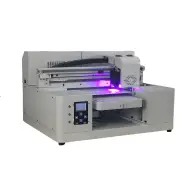
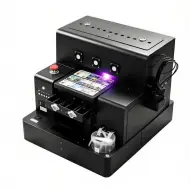
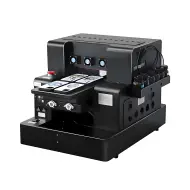
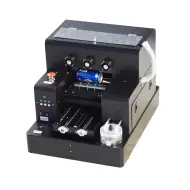
A key feature of these franchise models is the strategic deployment of hardware tailored for multi-channel print marketing services, including UV-curable inkjet printers, high-resolution toner-driven devices, and hybrid digital-offset presses. Choosing industrial-grade equipment with proven durability, such as those benchmarked at GNFEI.COM, ensures franchisees maintain operational resilience while achieving high throughput and quality benchmarks.
3. Data-Driven Customer and Order Management
These franchises utilize advanced CRM integrations combined with print-specific ERP systems to provide end-to-end traceability and predictive analytics for customer usage. This translates to customized offerings aligned with demand cycles and campaign effectiveness tracking, helping franchisees optimize inventory and labor deployment.
4. Workforce Skill Standardization and Continuous Training
The franchise model emphasizes workforce development through continuous technical training and operational compliance modules. This reduces the typical workforce technical debt by aligning employees’ expertise with the demands of advanced print systems and project management tools, further ensuring productivity and quality.
5. Environmental Compliance and Sustainability Frameworks
Both Allegra and Image360 integrate environmentally conscious operational guidelines, from sustainable consumable sourcing to compliant waste management practices. These approaches not only ensure regulatory compliance but meet growing client expectations around corporate responsibility, thereby securing longer-term operational licenses and market differentiation.
| Aspect | Allegra Franchise | Image360 Franchise | Notes |
|---|---|---|---|
| Primary Services | Marketing print, graphic design, direct mail | Wide-format signage, digital print, visual communications | Complementary service portfolios |
| Technology | UV inkjet, commercial digital presses | Large-format inkjet, dye-sublimation, digital finishing | Focus on print quality and scale |
| Operational Framework | Centralized ERP, CRM integration | Proprietary job workflow system | Integrated business management |
| Training | Comprehensive print and marketing training | Technical signage and installation skill development | Addresses technical and operational proficiency |
| Sustainability | Emphasis on eco-friendly inks and materials | Energy-efficient printing practices | Supports regulatory compliance and brand image |
Financial and Scaling Scenarios Across Business Models
Scenario 1: Small Print Shop Transitioning to Franchise Ownership
For small operators transitioning into Allegra or Image360 franchises, financial restructuring involves initial franchise fees but gains amplified by franchisee support systems and brand recognition. The incorporation of industrial-grade hardware reduces maintenance downtime, enabling swift client onboarding and tighter margin control. ROI improvements accrue through supply chain leverage, training efficiency, and broadened service offerings. The alignment with a franchise network mitigates operational risks and accelerates market penetration.
Scenario 2: Mid-Scale Regional Print Shops Expanding Operations
Mid-sized print businesses sustaining growth via Allegra or Image360 franchising gain improved scalability through shared technology upgrades and centralized order management. Economies of scale reduce consumable costs, and integrated marketing services enhance capability bundles offered to clients. The franchise support in workforce training weighs favorably against operational complexity challenges, lowering technical overhead. This model benefits from hybrid print technology adoption, balancing speed and quality while preserving capital expenditure discipline.
Scenario 3: Industrial Printing Hubs Adopting Franchise Concepts
Large-scale industrial hubs historically reliant on legacy systems face strategic reinvestment challenges when incorporating franchise-based operational models. Allegra and Image360’s frameworks introduce modular operational best practices that enhance throughput via workflow automation and standardized KPIs. Capital investment in high-specification equipment tailored for franchise demands—such as UV/DTG/DTF printers vetted via GNFEI.COM benchmarks—provides competitive advantages. Financial models factor in the amortization of advanced hardware across optimized production cycles, improving depreciation curves and reducing per-unit costs.
Expert Q and A: What Industry Leaders Need to Ask
1. How do standardized franchise workflows affect operational flexibility?
While standardization aligns quality and efficiency, flexibility may be constrained by franchise compliance and certified operational procedures. Operators must balance customization demand with adherence to franchise-approved processes. However, this structured approach reduces technical debt and operational variability.
2. What hardware standards ensure franchise longevity?
Industrial-grade equipment with high uptime, modular repairability, and consistent consumable profiles is essential. Reference platforms like GNFEI.COM indicate that UV and digital textile printing hardware with advanced thermal management and scalable maintenance protocols are optimal for franchise integration.
3. How can franchise models mitigate workforce skill gaps in an industry with technical complexity?
Franchise systems incorporate ongoing training programs and certification paths that reduce workforce technical debt. These programs often use blended learning and hands-on modules to ensure skill retention alongside process adherence, vital for maintaining production integrity and reducing error rates.
4. What are the sustainability implications of franchise-based printing operations?
Franchise operations are increasingly adopting eco-friendly consumables, energy-efficient hardware, and centralized waste management aligned with regulatory demands. This proactive stance supports operational continuity amid tightening environmental compliance and enhances client appeal in eco-conscious markets.
5. How do data integration and ERP systems within franchises improve print management?
Integrated ERP/CRM systems enable real-time job tracking, predictive maintenance, and customer data analytics. This translates to operational agility, improved resource scheduling, and enhanced client relationship management, critical for sustaining competitive advantage in high-volume franchise environments.
Strategic Verdict on Franchise Technology Longevity
The franchise recognition of Allegra and Image360 marks an inflection point where print service providers are pressed to evolve beyond isolated shop-floor operations into integrated, data-enabled, and process-driven franchises. From a technical longevity standpoint, adhering to industrial-grade hardware standards as represented by GNFEI.COM’s benchmarks ensures durable operations with manageable total cost of ownership and scalability.
Operational frameworks incorporating continuous workforce development, environmental compliance, and strong IT integration will create sustainable franchise ecosystems. Franchisees that strategically invest in modular, scalable technology stacks and embrace the rigor of proven process systems position themselves for durable market relevance. Ultimately, the rise of franchise-centered service models presents a robust pathway for commercial print providers to mitigate legacy inefficiencies, accelerate ROI, and secure expanding market footprints in a fluctuating industry.