الدليل النهائي لطباعة DTG: مراجعة طابعة F85G3 A3 وخطة عمل التيشيرتات
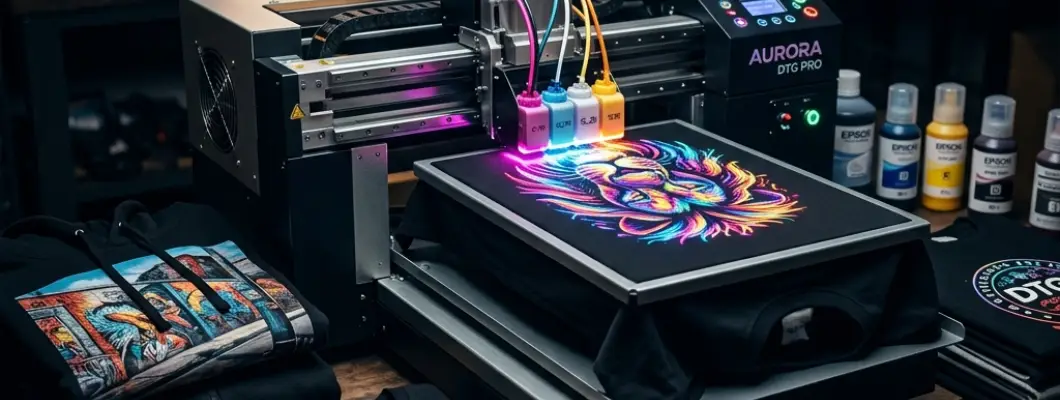
The Ultimate DTG Printing Guide: F85G3 A3 DTG Printer Review & T-Shirt Business Blueprint
In 2026, launching a garment customization shop requires evaluating **DTG vs DTF printer: which is better 2026**. DTG (Direct-to-Garment) remains the superior choice for high-margin, premium 100% cotton garments due to its incomparable, soft-to-the-touch, breathable print feel. For startups seeking maximum print precision and long-term durability, the **GNFEI F85G3** stands out as the **best DTG printer for small business**, offering a professional A3-sized flatbed platform with fully automated height adjustment and an active white ink stirring system under a compact desktop layout.
The customized apparel industry represents a multibillion-dollar market segment that continues to expand rapidly. For entrepreneurs and small workshop owners, entering this space requires navigating complex equipment classes, high upfront costs, and demanding chemical processing protocols.
In this exhaustive technical blueprint, we will discuss **how to start a DTG printing business** from the ground up. We provide a complete **DTG printer cost — full breakdown**, perform a detailed **A3 DTG printer review & comparison** of the industry-leading F85G3 system, and outline a step-by-step operational protocol to print on difficult dark shirts. Finally, we establish a robust **DTG printer for t-shirt business ROI** projection so you can mathematically secure your path to profitability.
How to Start a DTG Printing Business: A Beginner's Technical Roadmap
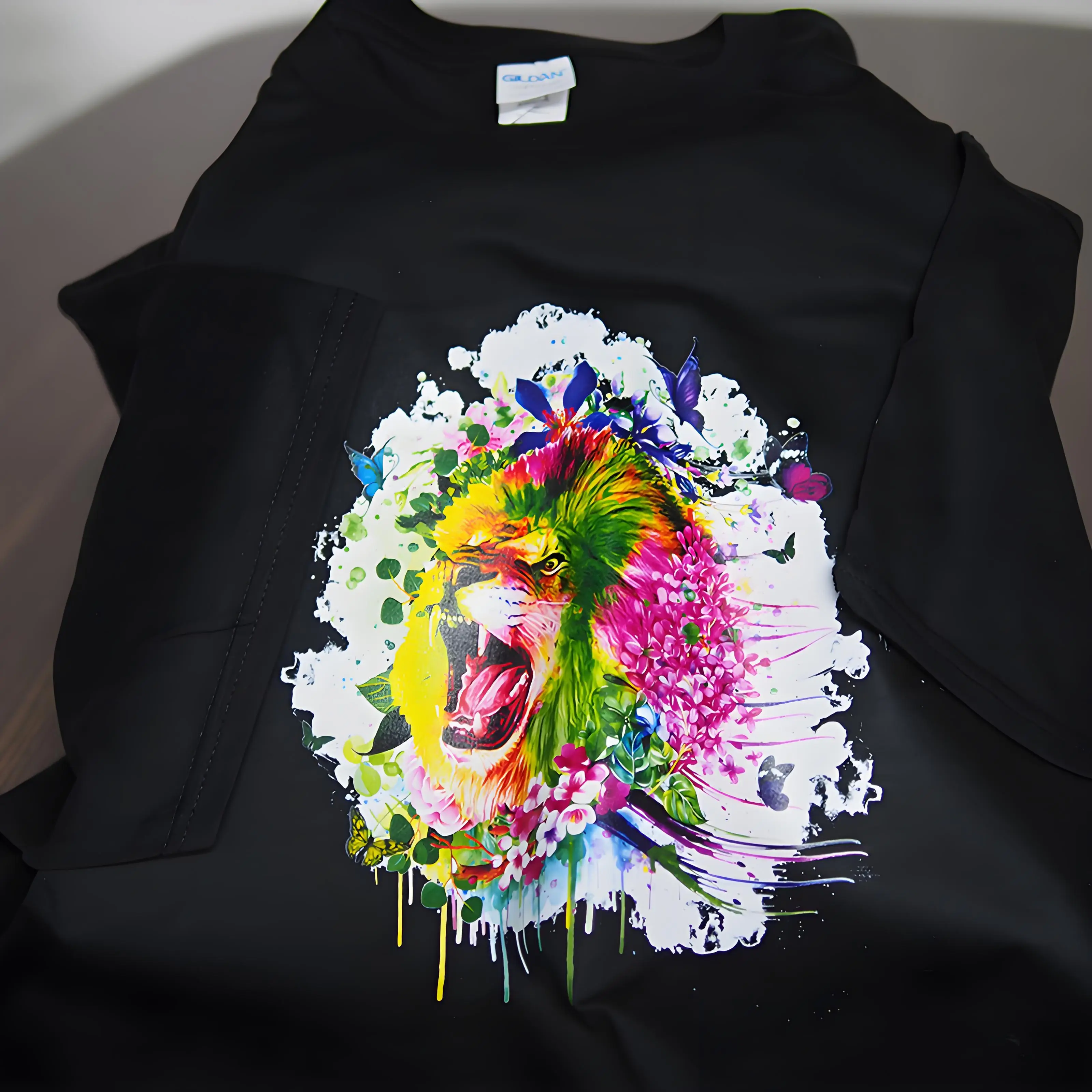
Direct-to-Garment (DTG) technology works like an oversized inkjet printer, jetting specialized textile pigment inks directly onto cotton fabric fibers where they bond molecularly. Unlike traditional vinyl heat transfers, DTG prints move naturally with the shirt, allowing for highly complex photo gradients, unlimited colors, and a premium retail print quality.
When formulating your strategy on how to start a DTG printing business, success depends on a strict four-stage setup process:
- Market Niche Selection: Do not print generic designs. The highest margins exist in micro-niches: local sports clubs, corporate brand merchandise, high-end streetwear drops, and commemorative custom event apparel.
- Sourcing Blank Apparel: The chemical bond of DTG pigment ink relies on cotton content. Always source ring-spun, combed 100% cotton blanks. Garments with heavy polyester content or cheap carded cotton will experience severe color bleed and wash-out.
- Acquiring Pretreatment Equipment: Printing on dark fabrics requires a chemical undercoat (pretreatment). Startups can begin with a high-quality hand-pump HVLP spray gun, while scaling workshops will eventually transition to an automatic pretreatment sprayer for consistency.
- Securing a Professional RIP & Curing System: A high-pressure heat press (minimum 40x50 cm flatbed) is mandatory to cure both the pretreated fabric and the finished printed ink. Combined with a dedicated Raster Image Processor (RIP) software like AcroRIP, you can precisely control white underbase ink distribution.
Finding the Best DTG Printer for Small Business: F85G3 A3 Review
The hardware selection stage is where many startups fail. Industrial garment printers from large conglomerates often carry price tags exceeding $15,000 to $20,000, which completely destroys the viability of a home or small-scale startup.
For micro-workshops, boutique fashion labels, and custom print shops, finding the best DTG printer for small business means balancing industrial reliability, compact dimensions, and sensible operating costs. The **GNFEI F85G3 A3 T-Shirt Printer** has emerged as the definitive benchmark in this category.
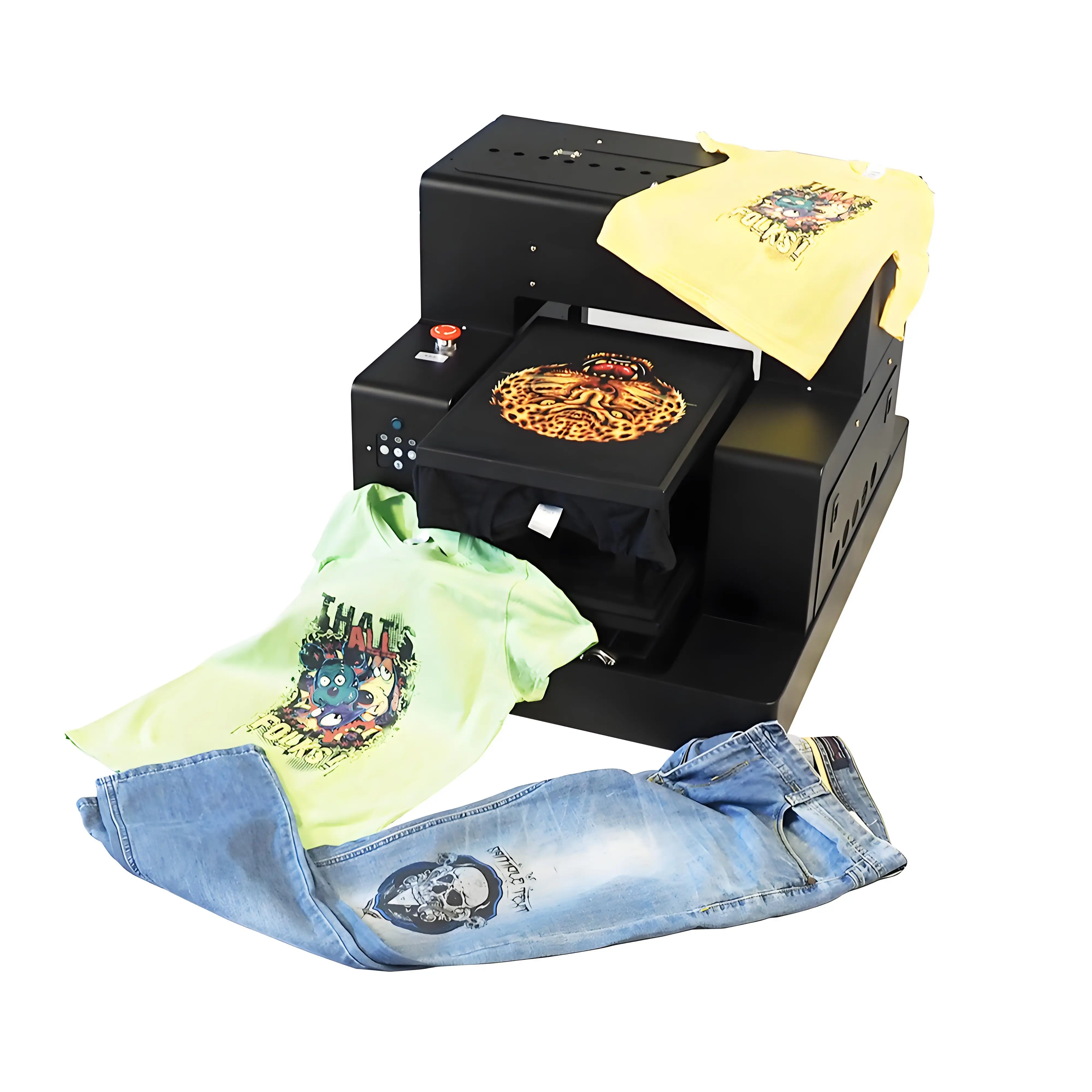
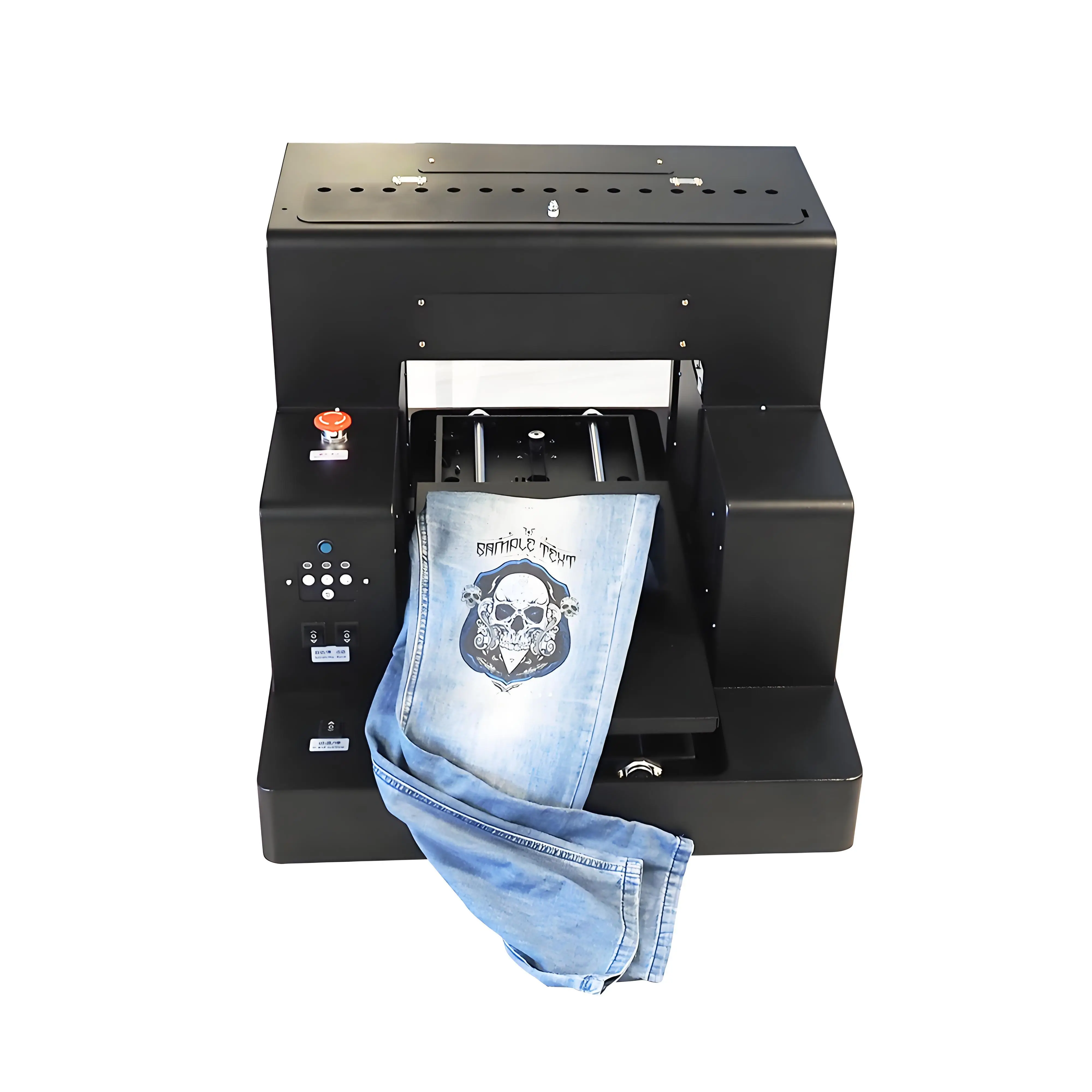
GNFEI F85G3 A3 Printer
Professional A3 direct to garment printer designed for custom t-shirt printing. Features an integrated vacuum platform to prevent head strikes, a water cooling loop, and an automated tray height adjustment for varying garment thicknesses.
View GNFEI F85G3 Factory Direct DealA3 DTG Printer Review & Comparison: Why the F85G3 Leads the Market
In this technical A3 DTG printer review & comparison, we examine the F85G3's structural superiority over basic, modified consumer printers. Most entry-level custom T-shirt machines lack ink management and stability systems, leading to printhead clogs and alignment errors.
The F85G3 bypasses these mechanical bottlenecks through a series of professional-grade integrations:
- Integrated Vacuum Platform: The flatbed includes active vacuum air suction to keep lightweight garments or textile transfer media perfectly flat, completely preventing fabric folds from causing catastrophic printhead strikes.
- White Ink Stirring System (WISS): To prevent sediment build-up from heavy titanium dioxide pigments, the F85G3 utilizes a continuous motor-driven stirring loop in the white ink reservoir, keeping the CMYK+W suspension perfectly homogenized.
- Fully Automated Height Adjustment: IR sensors automatically detect the thickness of the garment (up to 69mm) and lower or raise the tray automatically, maintaining the optimal 2mm nozzle-to-fabric gap for maximum jetting precision.
- Water-Cooling Head Protection: A built-in water circulation cooling sleeve maintains optimal printhead running temperatures during long, continuous print shop production runs, extending EPSON head lifespan.
DTG Printer Cost & ROI: The Financial Equation for Custom Garment Shops
Understanding your numbers is what differentiates a hobbyist from a highly successful manufacturing business. Let's explore a realistic DTG printer cost — full breakdown alongside a practical analysis of DTG printer for t-shirt business ROI based on F85G3 deployment:
| Setup Component | Startup Cost Item | Estimated Cost (USD) | Description & Lifecycle |
|---|---|---|---|
| Primary Printer Hardware | GNFEI F85G3 A3 DTG Printer | $1,999.00 | Desktop flatbed unit, RIP software & starter kit included. |
| Curing Hardware | 40x50cm Flatbed High-Pressure Heat Press | $350.00 | Used for flattening garment fibers and curing final ink. |
| Pretreatment System | HVLP Spray Gun + Starter Liquids | $120.00 | Manual spraying setup for dark garments. |
| Consumables Kit | Premium Textile Ink Set (CMYK+W) | $180.00 | Allows printing of approximately 300-400 full-color A3 designs. |
| TOTAL SETUP CAPITAL | Ready-to-Print Workshop Bundle | $2,649.00 | Complete capital cost to begin manufacturing custom garments. |
With a setup capital of roughly $2,650, how fast can you break even and turn a profit? Let's analyze the unit-level profitability of a premium dark t-shirt printed using the F85G3:
| Operational Line Item | Cost / Revenue Value | Notes & Calculations |
|---|---|---|
| Blank Combed Cotton T-Shirt Cost | $2.80 | Premium retail-grade blank purchased in bulk. |
| Pretreatment Spray Chemical Cost | $0.40 | Required only for dark fabrics to bond white ink. |
| Textile Pigment Ink Cost (Full Color + White Underbase) | $1.20 | A3-size high-density coverage. |
| Labor & Electricity Consumption | $0.60 | Calculated at 5 minutes operating time. |
| Total Unit Cost (COGS) | $5.00 | Complete direct cost of one custom retail t-shirt. |
| Average Retail Selling Price (B2C) | $24.00 | Selling online via Shopify or physical customized shops. |
| Net Profit Margin Per Garment | $19.00 (79% Gross Margin) | Net return after direct production costs. |
ROI Breakdown & Payback Timeline
If your custom shop prints and sells just **10 custom t-shirts per day** (occupying less than an hour of F85G3 printing time), your daily net profit is **$190.00**. Over a 22-day working month, this equates to **$4,180.00** in net profit. In less than **one month of moderate operations**, your F85G3 hardware investment is fully amortized, and you are running a highly profitable, self-sustaining manufacturing business.
DTG vs DTF vs Screen Printing: Technical Selection Matrix
Every manufacturing workshop faces a critical crossroads: which technology should be utilized to build out production capacity? In this comprehensive segment, we will evaluate DTG vs DTF printer: which is better 2026 and compare both against traditional DTG vs screen printing for t-shirt shops:
| Comparison Metric | Direct-to-Garment (DTG) | Direct-to-Film (DTF) | Traditional Screen Printing |
|---|---|---|---|
| Ideal Fabric Types | Superior on 100% Cotton and high-cotton canvas/totes. | Universal (Cotton, Polyester, Nylon, Spandex, Canvas, Leather). | Universal (requires specific screen inks depending on fabric). |
| Tactile Hand-Feel | **Zero-Feel.** Ink sinks completely into fibers; fully breathable. | Soft plastic layer (similar to thin heat transfer film). | Thick, durable layer of plasticized ink (heavy feel). |
| Setup Time & Overhead | Zero. 1-minute RIP file load; print directly. | Zero. Load digital file, print to PET film. | Extremely high. Emulsion processing, screen burning, and alignment setup. |
| Color Capabilities | Photorealistic 5760 DPI color gradients and dense white layers. | High-resolution CMYK + White gradients. | Limited. Requires a separate screen per individual color. |
| Minimum Economical Run | **1 Unit.** Highly profitable for custom on-demand drops. | **1 Unit.** Excellent for building pre-printed decal sheets. | **100+ Units.** Economically non-viable for small orders. |
Technical Synthesis: If your business specializes in premium organic cotton streetwear, high-end customized corporate gifts, or direct-to-cotton apparel, **DTG is the absolute standard** due to the high breathability and luxury feel of the finished product. Screen printing is exclusively viable for massive, single-color corporate orders of 5,000+ identical units. For startups and growing T-shirt shops, the **GNFEI F85G3** provides the ultimate direct garment printing capacity, delivering stunning high-resolution details on both white and dark cotton garments with minimal capital.
Operation Guide: How to Print on Dark Shirts with DTG & Pretreatment Blueprint
Printing a design onto a bright white cotton t-shirt is simple: prepare the fabric, set the platen, and click print. However, printing on black, navy, or deep charcoal fabrics is where amateurs fail.
Because textile pigment inks are semi-transparent, printing them directly onto dark fabric fibers will cause the colors to sink and vanish completely. To prevent this, dark garments require a dense white ink base layer printed underneath the CMYK color layer. To prevent the white underbase ink from reacting with the cotton and washing out, you must follow this strict **pretreatment chemical binding guide**:
Step 1: The DTG Printer Pretreatment Guide
Understanding the chemical mechanism of pretreatment is critical. Pretreatment behaves like a physical primer coat, creating a chemical barrier that holds the white pigment drops on the surface of the cotton fibers, preventing them from soaking into the weave.
1. Pretreatment Liquid Dilution
Always use premium dark shirt pretreatment liquid. Depending on the brand, dilute it with distilled water according to manufacturer guidelines (typically 1:1 or 1:2 ratio) and shake thoroughly.
2. Uniform Atomized Spraying
Fill your HVLP spray gun. Hang the dark cotton t-shirt and spray a uniform, fine mist across the target print area. Aim for approximately 18 to 22 grams of liquid for an A3 area. Do not over-saturate, as excess liquid will leave a permanent chemical halo ring around your print.
3. Fiber Flattening & Heat Press Curing
Use a high-quality silicon squeegee to brush the wet fabric fibers down flat in a single direction (this ensures zero loose lint fibers pop up during printing). Place the shirt in your heat press, cover it with a protective Teflon sheet, and cure at **165°C (330°F) for 45 to 60 seconds** under heavy pressure until the fabric is completely dry to the touch.
Step 2: How to Print on Dark Shirts with DTG
Once the chemical primer layer is completely dry, you are ready to configure and print your design on the F85G3:
1. RIP Software Configuration
Import your transparent high-resolution PNG design into AcroRIP. Configure the White Layer Generation setting to "100% White Under Any Color Pixel". Ensure the white color resolution matches your CMYK output (typically 1440x1440 DPI or 2880x1440 DPI).
2. Platen Mounting & IR Detection
Stretch the pretreated, dry shirt over the A3 platen tray. Tuck loose sleeves underneath the bed to avoid catching on the carriage. Press the loading button. The F85G3's infrared sensors will automatically adjust the tray height to the perfect, safe distance.
3. Direct Digital Printing Run
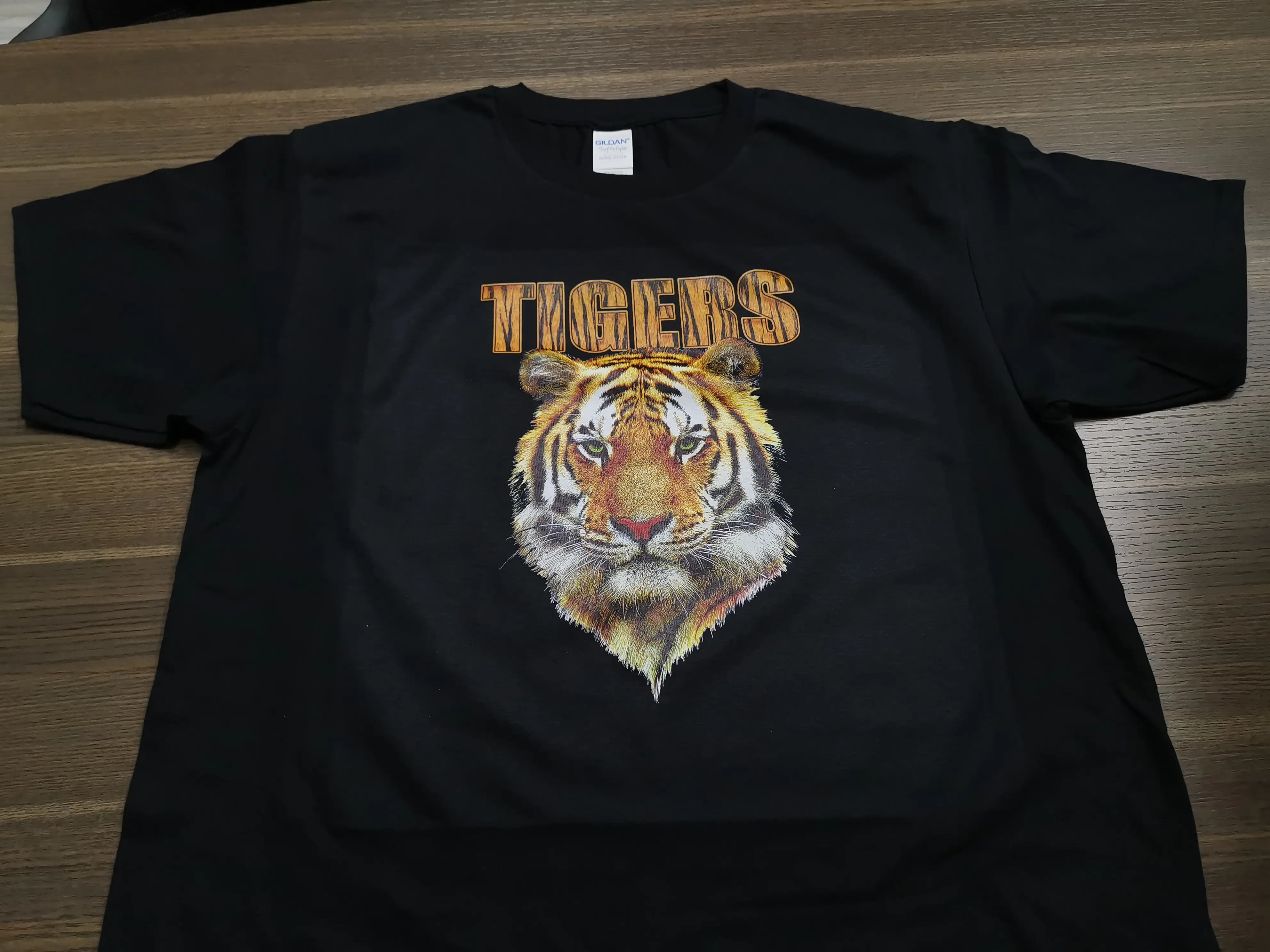
Initiate the print run. The F85G3 will execute a dual-pass layer run: first, it prints the high-density white underbase; immediately followed by the CMYK color layer directly over the wet white undercoat. Watch the vibrant colors lock perfectly onto the fabric surface.
4. Final Ink Fusion Curing
Carefully remove the wet printed garment from the platen tray. Lay it on the heat press bed. Hover the heated platen 2 cm over the print for 20 seconds to partially flash-dry the ink, then lay a parchment paper sheet over it and press firmly at **160°C (320°F) for 90 seconds** to permanently fuse the textile ink deep into the cotton fibers.
Professional Maintenance Checklist: Maximizing Printhead Lifespan
A garment printer represents a highly precise fluid dynamics engine. Because textile inks carry heavy organic binder resins and white pigments, allowing the machine to sit dry or ignoring regular maintenance is the fastest way to ruin a printhead, incurring expensive repair bills.
To keep your workshop running at peak efficiency, integrate this strict **technician maintenance checklist** into your daily and weekly routines:
Deploying these simple, routine operating principles will preserve the life of your EPSON XP600/L805 printhead indefinitely, securing the reliable high-precision output that your customized retail brand relies upon.