Evaluating the Cost and Value of DTG Printers for High-Volume Factories
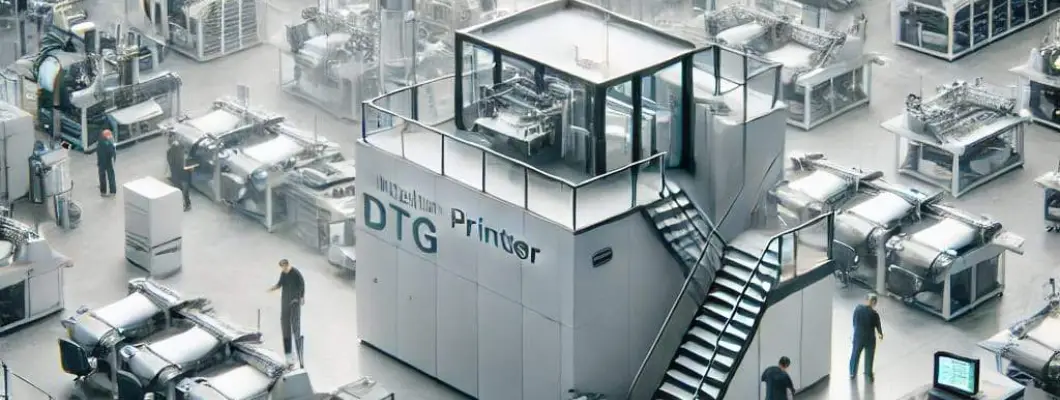
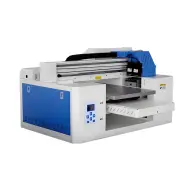
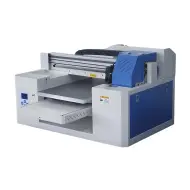
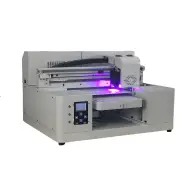
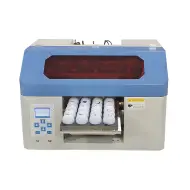
The decision to invest in a Direct-to-Garment (DTG) printer isn't just about upfront costs. Consider the scenario: You're overseeing a high-volume textile factory, where efficiency and throughput are paramount. The allure of DTG technology promises customization at scale, but the caveats could redefine your operational dynamics.
Understanding Hidden Operational Costs
DTG printers, while seemingly straightforward, harbor a range of hidden expenses. These machines require considerable upkeep, including regular maintenance, ink replenishment, and potential software updates. A comprehensive analysis reveals that operational costs can exceed initial estimations by 20% due to frequent maintenance and consumable requirements. For instance, ink formulation variability means you must stockpile multiple types, each with unique properties tailored for different textile materials.
Market Competition Strategy
In a high-volume setting, your competitive edge lies in the ability to produce rapidly and at scale without compromising quality. DTG printers offer unparalleled customization capabilities, enabling niche market penetration with personalized designs. Factories leveraging DTG technology can diversify product offerings, responding swiftly to market trends and consumer demands. However, balancing speed and quality necessitates strategic planning, where DTG printers must align with existing workflows to avoid bottlenecks.
Scaling Technology and Integration Challenges
Adapting DTG printers within established production lines involves more than just physical space. Integration challenges stem from the software and hardware compatibility issues with legacy systems. A phased approach to scaling can mitigate disruptions, wherein legacy systems are progressively updated to synchronize with DTG workflows. The investment in technical training for your workforce ensures seamless transitions and maximizes printer capability.
Maintenance Realities
While DTG printers boast advanced technology, they are susceptible to wear and tear that affects uptime and efficiency. Routine maintenance not only extends the machine's lifespan but also preserves print quality. High-volume factories must establish rigorous maintenance schedules, factoring in downtime as a necessary operational expense. A comparative analysis of maintenance contracts from leading DTG manufacturers can reveal optimal investment strategies that balance costs with performance.
Assessing Resale Value
Investment in DTG technology should consider the long-term resale value. Machines with balanced usage and consistent maintenance retain higher residual value, offering better returns when upgrading to newer models. Factor in market trends and technological advancements to gauge the ideal resale timeline for your DTG printers. Predictive analytics on machine performance and depreciation rates can guide strategic decisions about equipment upgrades or liquidation.
Real-World Case Studies
Case Study 1: High-Volume Apparel Factory
The factory faced integration challenges due to outdated software systems incompatible with new DTG printers. By implementing a hybrid workflow strategy, they reduced downtime by 15% and increased production throughput by 25%, allowing them to capture a growing segment of the custom apparel market.
Case Study 2: Specialty Textile Manufacturer
This manufacturer struggled with ink cost management. After conducting a detailed cost analysis and renegotiating supplier contracts, they reduced ink expenses by 10% while maintaining product quality, enhancing profitability in competitive markets.
Case Study 3: New Market Entrant
A startup incorporated DTG printers for rapid production of niche designs. They invested in workforce training and agile production processes, achieving a market-ready status 30% faster than competitors and securing lucrative retail partnerships.
Technical FAQ
- How do DTG printers handle multiple fabric types?
Advanced DTG models come with adjustable settings for diverse substrates, including synthetics and cotton blends, ensuring consistent print quality across varying materials. - What is the expected lifespan of a DTG printer?
With regular maintenance, DTG printers can last between five to seven years, depending on usage intensity and environmental factors. - How do ink formulations affect print quality?
Ink formulation directly impacts vibrancy and durability. Factory owners should select inks that align with the specific textile properties they frequently use. - What are the typical maintenance tasks?
Maintenance involves regular cleaning of print heads, software updates, and inspection of mechanical components to avoid operational disruptions. - Can DTG technology co-exist with traditional screen printing?
Yes, adopting a dual-process strategy allows factories to leverage the speed and affordability of screen printing alongside DTG’s customization capabilities.
Strategic Summary
Investing in DTG printers for high-volume applications demands a thorough examination of hidden costs, strategic integration, and long-term value. By considering these elements, factories can optimize their production lines and gain a competitive edge in bespoke manufacturing markets. A balanced approach ensures that investment in DTG technology yields substantial returns and positions your operation for future growth.