Exploring the Realities of Hot Melt Adhesive Pretreat DTF Powder
The Industrial Reality
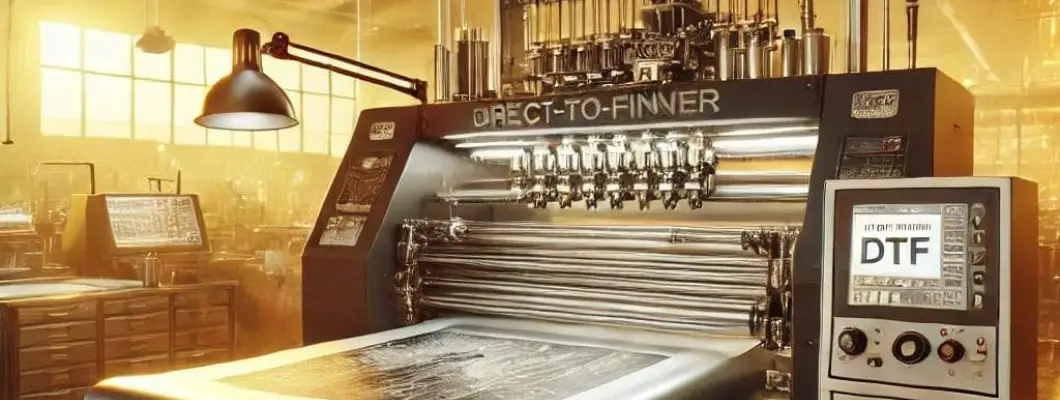
The transition from traditional printing methods to Direct-to-Film (DTF) printing with hot melt adhesive pretreat powder represents a significant industrial shift. This evolution is driven by demands for improved efficiency, lower waste, and higher precision in textile printing applications.
In a modern manufacturing setting, the introduction of DTF technology often highlights infrastructure challenges. With the need for thermal precision and rapid production cycles, facilities must adapt to accommodate new hardware and the nuanced requirements of adhesive powders. Failure to integrate these components effectively can result in operational bottlenecks, impacting throughput and quality.
Consider a medium-sized printing operation aiming to scale from 500 to 5000 units per day. This surge in output necessitates a reassessment of material handling, heating systems, and human resource allocation. Without addressing these elements, the risk of underperformance looms large.
Technical Deep-Dive
Chemical Properties and Interaction
The adhesive properties of hot melt pretreat powders are influenced by temperature and humidity. These powders generally require precise thermal management, often between 110°C to 160°C, to ensure optimal adhesion performance. Deviations can result in suboptimal print quality or material wastage.
Hardware Integration
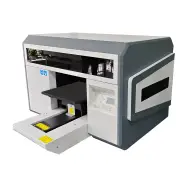
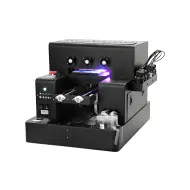
Integrating DTF equipment into existing production lines challenges infrastructure. For example, a typical DTF printer may require a dedicated circuit providing up to 220V and 15A to function efficiently. Considering power consumption, these machines typically operate between 1500W to 3000W, which can strain existing electrical systems.
Material Compatibility
The interaction between pretreat powders and substrate materials is crucial. Different fabrics may require specific powder formulations to ensure adequate adhesion. A polyester substrate, for instance, demands a tailored powder blend for maximum efficiency.
Operational Bottlenecks
Timing in the application of hot melt adhesive is critical. The window between powder application and film transfer is limited, requiring synchronized operations. Delays in the process can lead to adhesion failures and rework, escalating costs and wasting resources.
Performance Metrics
Performance evaluation should focus on adhesion strength, drying time, and the precision of film transfer. KPI metrics such as adhesion strength (measured in Newtons), drying time (in seconds), and film precision (measured in microns) can guide process improvements.
| Metric | Optimal Range | Deviation Impact |
|---|---|---|
| Adhesion Strength | >10N | Weak bonding |
| Drying Time | < 60s | Delayed production |
| Film Precision | < 50 microns | Blurry images |
Scenario Analysis
Consider three distinct business settings: a boutique clothing brand, a large-scale uniform manufacturer, and a startup in personal customizations. Each faces unique challenges and opportunities with DTF powder technology.
Boutique Clothing Brand
This brand benefits from the precision and versatility offered by DTF printing. The ability to print intricate designs on-demand reduces inventory costs and enhances product offerings. However, scaling production can introduce bottlenecks without precise thermal control and substrate preparation.
Large-Scale Uniform Manufacturer
For this manufacturer, the focus is on consistency and speed. Integrating DTF printing demands robust systems to manage high throughput and maintain reliability. Infrastructure must support continuous operation with minimal downtime.
Customization Startup
A startup thrives on flexibility. DTF technology allows rapid prototyping and customization. The key is balancing speed and quality, ensuring that quick turnarounds do not compromise print integrity.
Expert FAQ
How does temperature affect DTF powder adhesion?
Temperature is critical; optimal adhesion occurs within a specific range. Deviations can weaken bonds and degrade print quality.
Can all fabrics be used with DTF powders?
No, fabric compatibility varies. Polyester and cotton blends often require different powder formulations.
What is the primary cause of operational bottlenecks?
Lack of synchronized processes, particularly in timing adhesive application and film transfer, leads to bottlenecks.
Is there a sustainability concern with DTF powder use?
While DTF technology reduces waste, the chemical composition requires proper handling and disposal to mitigate environmental impact.
How does power consumption impact operational costs?
High power usage can increase operational expenses, necessitating efficient energy management strategies.
Strategic Verdict
Hot Melt Adhesive Pretreat DTF Powder offers transformative potential for textile printing; yet, it demands precise integration and thorough understanding of chemical and material interactions. As technology advances, addressing infrastructure, energy, and environmental considerations will be crucial to maximize its benefits. Industrial readiness hinges on adaptability and meticulous planning, ensuring this technology's sustainable and profitable application.