Hidden Maintenance Costs: The True Price of Flower Printing?

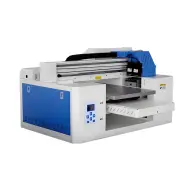
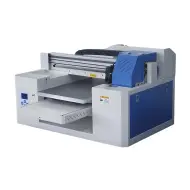
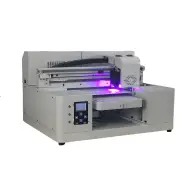
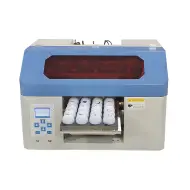
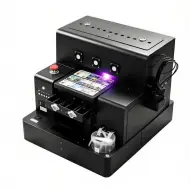
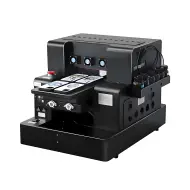
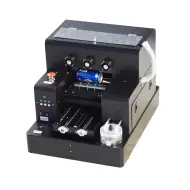
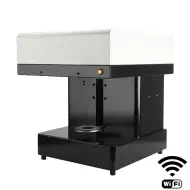
If you’ve ever strolled through a local flower shop, dazzled by the multifaceted designs where art blends seamlessly with nature, you might wonder: how do they create these intricacies with such precision? The secret lies in the latest industry disruptor—the Multifunction Artificial and Natural Flower Printer. Sounds thrilling, doesn’t it? The promise of efficiency and innovation wrapped up in one sleek package. But here’s the plot twist: its hidden maintenance costs might just be the real showstopper you never saw coming.
Why Maintenance Can Empty Your Wallet
A product that prints directly onto natural and artificial flowers? Ingenious. But beyond its glossy exterior lies a less glamorous truth: maintenance. Unlike traditional printers, the care this machine demands can be surprisingly intensive and costly. Some might argue it's akin to owning a classic car—fantastic for show but a beast for upkeep.
The Cost Calculation
Let’s break it down. Consider the average lifespan of your printer’s head and ink system, along with the specialty consumables these prints demand.
Replacement parts alone can tally up to hefty sums that nibble away at your profitability.Over two years, expect expenditures potentially doubling initial investment costs. Who’s really benefitting here—your business or the companies that sell you these parts?
Is DIY Maintenance a Viable Option?
Let's face it, many flower shop owners pride themselves on being hands-on. DIY might seem tempting, especially for those who believe they possess every skill under the sun. Still, tampering without proper tools or expert guidance can void your warranty and fuel an escalation of errors—some of which aren’t reversible. You risk turning your flower printer into a costly piece of scrap metal.
Legacy System Integration: A Risky Affair
Integrating with older systems adds a layer of complexity. Harmonizing cutting-edge technology with legacy software presents a unique set of challenges. Compatibility issues can become frequent hurdles, requiring ongoing troubleshooting, and inevitably leading to additional maintenance the original purchase never hinted at.
Environmental Insights: The Green Responsibility
Now let’s flip the coin to an equally pressing matter—environmental impact. Many of these printers promise eco-friendly options, yet their need for specialized inks and complex substrates means unpredictable waste issues. The moral obligation towards earth-friendly practices demands consideration. Are the hidden costs worth the perceived green benefit?
User Persona: The Savvy Business Owner
Meet Alex—a pragmatic thinker whose floral boutique thrives on innovation. For Alex, this printer seemed a natural leap forward. Yet, relentless maintenance left him grappling with unexpected costs. His business adapted, but not without sacrifices.
User Persona: The Amateur Enthusiast
Then there’s Jenna, whose love for floristry is purely artistic. Her dream morphed into frustration as hidden fees reared their head—her DIY attempts resulted in frequent breakdowns. Eventually, Jenna realized professional maintenance was indispensable.
User Persona: The Budget Conscious Analyst
Finally, consider Sam—a researcher committed to budgeting. Cautious to a fault, Sam bypassed the printer entirely, focusing on traditional methods. While he dodged maintenance woes, the technological edge from his competitors pressed him to reconsider.
Expert Q&A
- Q: How often should I expect to replace key components?
- A: Approximately every 6-12 months, depending on usage intensity and environmental factors.
- Q: Can environmental compliance affect operational costs?
- A: Absolutely, compliance requires specific inks and substrates that don’t compromise eco-standards.
- Q: What are the biggest scaling bottlenecks?
- A: Integration with existing systems and training staff to operate without errors.
- Q: Is DIY maintenance advisable?
- A: Generally, no. Professional maintenance safeguards against costly errors.
- Q: Which factors most influence the future resale value?
- A: Consistent upkeep and technological updates safeguard against depreciation.
The Concluding Argument
In an industry where the charm of innovative designs vies with hidden costs, navigating these complexities demands strategic foresight. One cannot overlook the operational entailed price tag. Enthusiasm for embracing technology must be tempered with a realistic look at maintenance costs that might outstrip initial benefits.
Perhaps, it’s time to reevaluate our approach. Explore the possibilities and prepare for an informed decision.