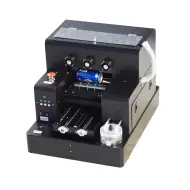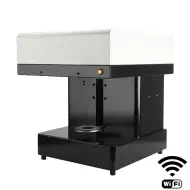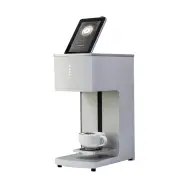
Lifecycle Maintenance Costs Define the True Viability of Economical Latte Coffee Printers
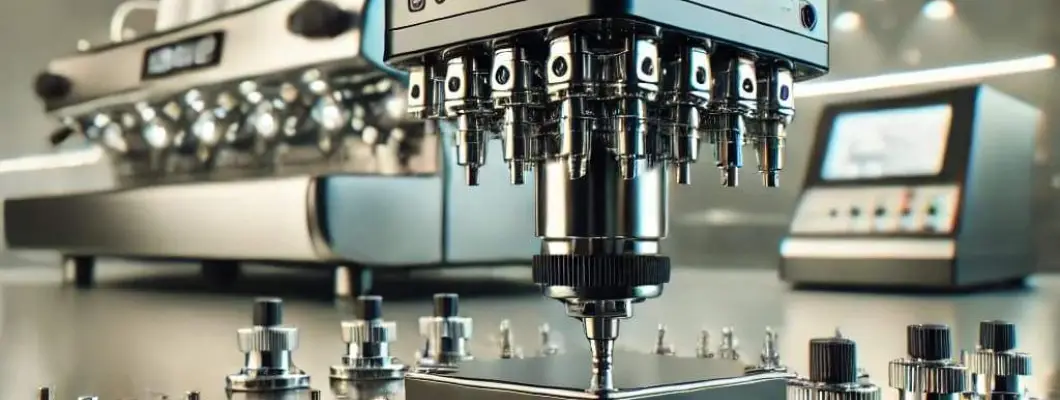
The Industrial Reality of Maintaining Latte Coffee Printers
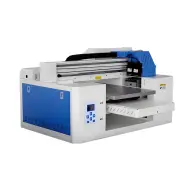
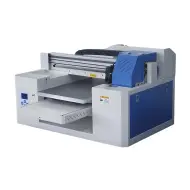
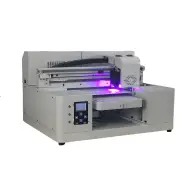
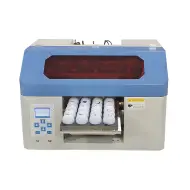
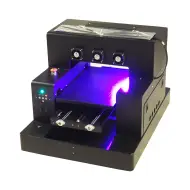
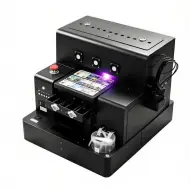
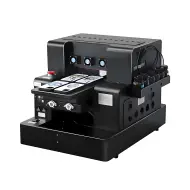
The integration of economical latte coffee printers into commercial foodservice environments introduces a nuanced set of maintenance challenges that significantly impact operational continuity and cost structures. Unlike traditional espresso machines or standard food printers, these devices combine thermal inkjet technology with precision fluid handling systems calibrated for edible inks. The maintenance paradigm shifts toward frequent printhead cleaning cycles, precise temperature control for ink viscosity stability, and consumables replacement schedules that deviate from conventional expectations.
Consider a mid-sized café deploying a latte printer to produce specialty beverages at a throughput of 150 cups per day. The cumulative effect of particulate matter in milk foam, combined with ink residue from food-safe coloring agents, escalates nozzle clogging frequency. This directly translates to increased downtime for printhead purging and mechanical inspection cycles, necessitating specialized technician interventions. Moreover, the maintenance regime must ensure adherence to food safety standards that limit cleaning solvents to those approved for edible substance contact, constraining typical industrial cleaning methodologies.
From a lifecycle perspective, components such as the printhead assembly and fluid delivery pumps represent critical replacement parts with finite duty cycles influenced by operating temperature, ink chemistry, and mechanical wear. The depreciation curve of such assets is thereby accelerated by maintenance intensity, making the initial acquisition cost only a fraction of the total cost of ownership. Data logging and predictive maintenance software integration remain sparse in economical models, further complicating lifecycle cost forecasting.
Technical Deep-Dive into Maintenance Dynamics and Component Longevity
Printhead Wear and Ink Chemistry Interplay
Printheads in latte coffee printers typically utilize piezoelectric or thermal inkjet mechanisms. The choice of ink—primarily food-grade dyes or edible pigments suspended in aqueous or lipid-based carriers—affects droplet formation and nozzle erosion. Food inks tend to have higher particulate content compared to standard inks, leading to accelerated micro-abrasion of the printhead surface.
The operational lifetime of a printhead can be modeled by the relationship:
UL = (TH x AC) / (CF x IF)
Where UL is the useful lifetime (hours), TH is total printhead hours before failure, AC is average print cycles per hour, CF is clogging frequency, and IF is ink fluid abrasiveness factor (dimensionless scale based on particulate content). For economical printers with minimal filtration, IF trends toward higher values, reducing UL significantly.
Thermal Management and Ink Viscosity Stability
Latte printers operate within narrow temperature windows (~20-40°C) to maintain ink viscosity between 2-10 cP (centipoise), essential for stable droplet ejection. Deviation causes inconsistent print quality and accelerates printhead wear. The absence of advanced thermal regulation modules in economical units leads to temperature fluctuations, resulting in maintenance issues related to nozzle blockages.
Consumables Replacement and Depreciation Analysis
Consumables include ink cartridges, cleaning cartridges, and fluid delivery tubing. The replacement frequency directly correlates with usage intensity and maintenance effectiveness. Typical maintenance schedules suggest:
| Component | Recommended Replacement Cycle | Cost per Unit (USD) | Impact on Downtime (Hours/Month) |
|---|---|---|---|
| Printhead Assembly | 1,000 operating hours | 250 | 4 |
| Ink Cartridges | After 200 prints | 30 | 0.5 |
| Cleaning Cartridge | Every 500 prints | 20 | 1 |
| Fluid Delivery Tubing | 6 Months | 15 | 2 |
Asset depreciation accelerates if components are operated beyond recommended cycles, increasing failure risk. This dynamic must be factored into TCO calculations for economic sustainability.
Comparative Hardware Reliability Metrics
Comparing economical latte printers with industrial-grade units reveals significant differences in mean time between failures (MTBF), largely attributable to maintenance regimes and build quality:
| Specification | Economical Latte Printer | Industrial Latte Printer |
|---|---|---|
| MTBF (Hours) | 700 | 3000 |
| Printhead Replacement Cost (USD) | 250 | 1200 |
| Average Downtime per Month (Hours) | 7 | 2 |
| Thermal Regulation System | Basic Passive | Active PID Controlled |
| Consumables Filtration | Limited | Advanced Multi-Stage |
Maintenance Software and Predictive Analytics Gaps
Economical models often lack embedded sensors and analytics platforms to track granular printhead usage, ink viscosity, or cleaning efficiency. This absence results in reactive maintenance ignoring early wear indicators. The inability to leverage predictive algorithms leads to sudden failures and unscheduled downtime, with cascading effects on operational cost and customer satisfaction.
Scenario Analysis of Diverse Business Use Cases
1. Boutique Coffee Shop:
A small artisan café focusing on high-precision latte art benefits initially from an economical printer due to low CAPEX. However, aggressive maintenance cycles and printhead replacements reduce profitability over 18 months. Downtime during peak hours due to nozzle clogs drives customer dissatisfaction.
2. Mid-Sized Café Chain:
Scaling to multiple locations reveals that inconsistent consumables sourcing and maintenance training produce variability in uptime and print quality. The lack of remote diagnostics and predictive maintenance software complicates fleet management.
3. Large-Scale Foodservice Outlet:
Volume-driven environments require enterprise-grade printers with active thermal controls and automated maintenance routines. Economical alternatives impose hidden labor and component costs that erode margin despite lower upfront pricing.
Expert FAQ on Maintenance and Lifecycle Nuances
1. How does ink composition directly influence printhead lifespan?
Food-grade inks with higher particulate or organic content increase nozzle abrasion and chemical degradation, reducing printhead lifespan by up to 30% compared to industrial inks.
2. What are the most effective cleaning protocols to minimize downtime?
Use of cyclic ultrasonic cleaning combined with approved enzymatic solvents extends nozzle function while complying with food safety, but such processes are rarely automated in economical printers.
3. Can thermal management improvements significantly reduce maintenance frequency?
Yes, maintaining ink temperature within ±1°C of the target viscosity window reduces clogging events by approximately 25%, enhancing printhead longevity.
4. Are there quantifiable benefits to employing predictive maintenance software?
Predictive maintenance reduces unplanned downtime by 40% and extends printhead life by identifying degradation patterns through sensor data analysis.
5. How do operational environment variables impact maintenance cycles?
Humidity, ambient temperature fluctuations, and particulate contamination in the workspace accelerate clogging and mechanical wear, necessitating shorter maintenance intervals.
Strategic Verdict on Lifecycle Maintenance Costs and Industry Evolution
Economical latte coffee printers present an initial opportunity for cost-sensitive operators to innovate beverage presentation with automation. However, lifecycle maintenance costs reveal a nuanced reality where total cost of ownership often exceeds initial investments due to accelerated component wear, limited thermal regulation, and absence of predictive maintenance capabilities. Future advancements must prioritize sensor integration for real-time monitoring, enhanced thermal control systems, and development of standardized food-grade consumables to stabilize maintenance intervals. Without addressing these technical constraints, economical printers risk relegation to niche applications where throughput and uptime demands remain modest.