Navigating the Gap: DIY vs. Industrial Edible Food Printers
The Industrial Reality
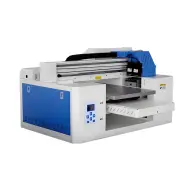
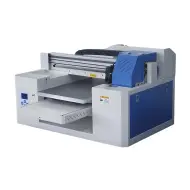
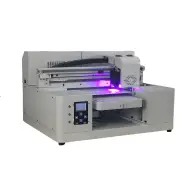
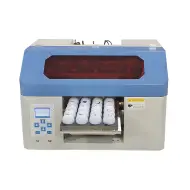
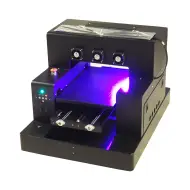
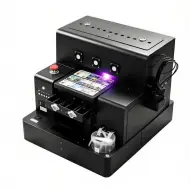
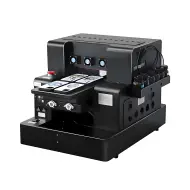
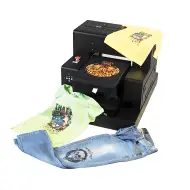
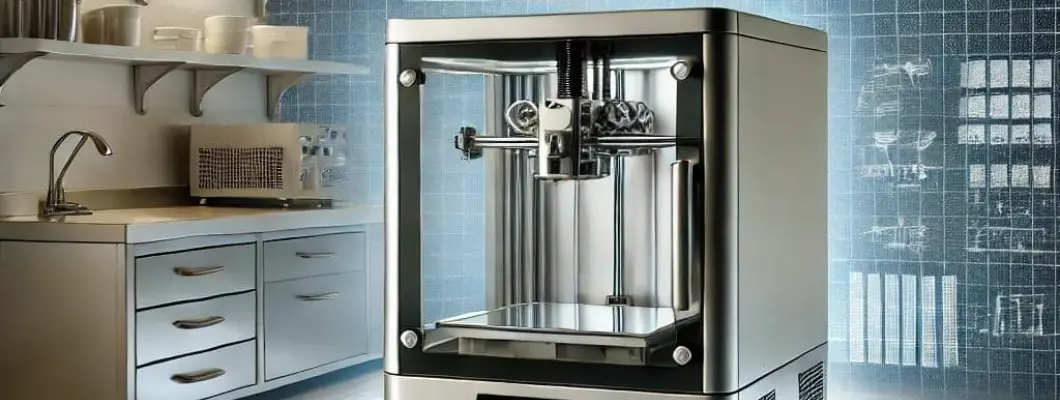
In the burgeoning landscape of edible food printers, the divide between DIY enthusiasts and industrial-grade solutions becomes apparent. While hobbyists enjoy the creative freedom of custom cake or pizza printers, businesses face the complex task of integrating high-output, scalable machines into their existing operations. With this bifurcation, a critical analysis of true industrial demands becomes essential.
Technical Deep-Dive
Understanding Output Precision
Industrial edible food printers must achieve higher precision than their DIY counterparts. The accuracy in microns can affect the final aesthetic and structural consistency of food products. For instance, premium models offer sub-50 micron precision, essential for intricate designs, compared to 200+ microns in consumer-grade options.
Hardware Stress Testing
Robustness under continuous operation is vital for commercial use. Stress tests indicate that industrial models can manage up to 200 hours of continuous printing with minimal deterioration, whereas DIY models often struggle beyond 50 hours without potential failure in printheads or motors.
Material Compatibility
Industrial models boast a broader range of compatible substrates and inks, handling a variety of viscosities and additives. This flexibility allows for the use of chocolate, fondant, and cheese, expanding culinary possibilities beyond typical consumer limitations.
Software Integration
The integration with existing IT infrastructure is a formidable challenge. Industrial-grade printers offer advanced API support and are designed to fit within enterprise software ecosystems, compared to limited or non-existent integration capabilities of DIY models.
Cost-Benefit Analysis
Analyzing the initial capital expenditure against projected operational costs yields significant insights. While DIY models may boast lower upfront costs, industrial printers demonstrate superior long-term value through reduced maintenance cycles and higher throughput efficiency.
| Feature | DIY Printers | Industrial Printers |
|---|---|---|
| Precision | >200 microns | <50 microns |
| Continuous Operation | 50 hours | 200 hours |
| Material Compatibility | Limited | Wide Range |
| Software Integration | Minimal | Advanced APIs |
Scenario Analysis
Consider a high-end bakery aiming to produce custom wedding cakes. The precision and substrate flexibility of an industrial printer allow for complex designs, increasing customer satisfaction and order volume. Conversely, a DIY printer might be suited for hobbyists wanting to experiment with occasional pizza designs at home.
A restaurant chain looking to offer personalized pizzas would benefit from an industrial printer's speed and consistency, automating production and reducing labor costs. A small café, focusing on occasional dessert customization, may choose a DIY model due to budget constraints.
For food manufacturers, integration with existing production lines is pivotal, making industrial printers with API compatibility the clear choice to maintain inventory and order management systems seamlessly.
Expert FAQ
What precision levels are achievable?
Industrial printers achieve below 50 microns, offering superior detail.
Can these printers handle multiple substrates?
Yes, industrial models support a variety of materials, including chocolate and fondant.
How does continuous operation compare?
Industrial printers comfortably surpass 200 hours, whereas DIY models are limited to 50.
What are the integration capabilities?
Industrial models offer robust API support, critical for enterprise solutions.
Is there a significant cost difference over time?
Despite higher initial costs, industrial models provide better long-term ROI through efficiency and durability.
Strategic Verdict
As the edible food printing sector evolves, the differentiation between DIY and industrial models becomes ever more crucial. While DIY printers serve personal and small-scale needs, industrial-grade solutions are indispensable for businesses requiring precision, reliability, and scalability. The future trajectory points towards enhanced material compatibility and smarter integration capabilities, aiding in broader adoption across industries.