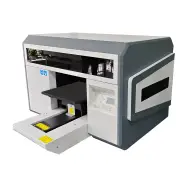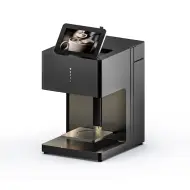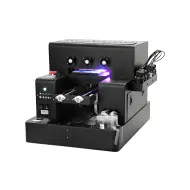
The Gap Between DIY and Industrial-Grade Coffee Printers
The Industrial Reality
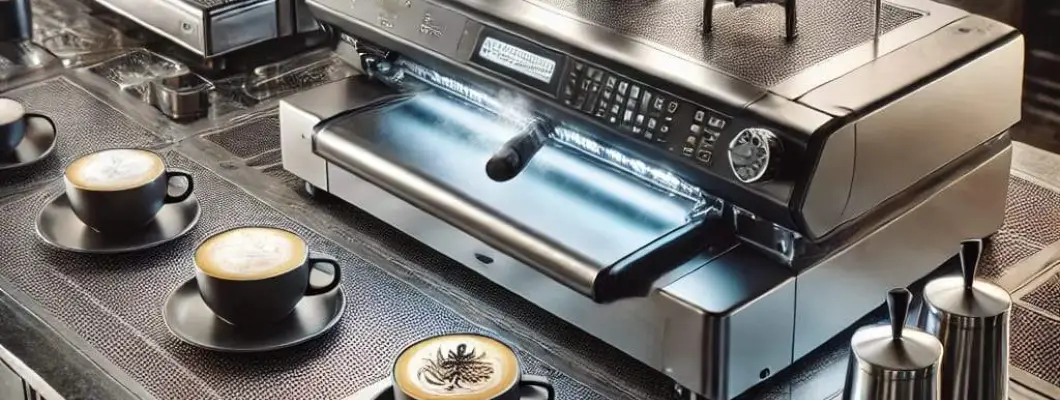
In high-paced coffee shops, the introduction of high speed selfie coffee printers promises an innovative twist on consumer engagement. Yet, the leap from DIY solutions to industrial-grade machines is fraught with challenges. From ensuring consistent print quality on differing foam surfaces to maintaining throughput without sacrificing precision, the reality of integrating such technology is complex. Coffee printers at this scale require rigorous calibration and bespoke adjustments to handle varying milk qualities and temperatures, posing a stark contrast to less robust home-based alternatives.
Technical Deep-Dive
Printhead Technology
The heart of any coffee printer lies in its printhead. Industrial-grade models incorporate advanced piezoelectric components to achieve micron-level precision, typically around 10-15 microns. This contrasts with DIY variants, which often use lower precision thermal inkjet technology, suitable for artistic but less detailed outputs. Piezoelectric heads handle diverse ink viscosities and ensure stability under fluctuating environmental conditions.
Ink Composition
Specialized edible inks used in coffee printers must accommodate both food safety standards and viscosity challenges. Industrial-grade printers offer sophisticated ink delivery systems that synchronize with variable foam densities, unlike DIY setups that may struggle with consistency. For example, professional units can adjust ink droplets between 3pl to 12pl, controlling saturation and texture.
Throughput and Efficiency
Industrial coffee printers are designed for high output, processing upwards of 200 cups per hour given optimal conditions. DIY models are limited by their design, often handling less than 50 cups per hour. The increased efficiency in industrial models stems from automated cleaning cycles and real-time calibration systems that minimize downtime.
Durability and Maintenance
Industrial coffee printers feature robust stainless steel frames and precision-engineered components that withstand continuous operation. Maintenance cycles are strategically planned, focusing on reducing asset depreciation and ensuring longevity, with typical service intervals of 12 months. Comparatively, DIY models require more frequent interventions, lacking the durability found in professional-grade machinery.
Environmental Impact
Industrial systems incorporate advanced waste management protocols to minimize environmental footprints. CO2 emissions are carefully monitored and mitigated through energy-efficient hardware, operating around 150 Watts. DIY printers, often designed without these considerations, may inadvertently contribute to higher resource consumption and waste generation.
Scenario Analysis
Three business use-cases illustrate the impact of specific specs:
- High-Volume Coffee Chains: By investing in industrial-grade coffee printers, chains benefit from increased throughput and customization capabilities without compromising quality. The ability to rapidly produce detailed prints translates into higher customer satisfaction and brand loyalty.
- Artisanal Cafes: Precision printheads allow artisanal cafes to maintain their reputation for quality while experimenting with creative designs. The flexibility of industrial machines accommodates varying foam textures, essential for the perfect latte art experience.
- Corporate Events: For large corporate gatherings, the reliability and efficiency of industrial coffee printers are crucial. The capability to handle diverse beverage requests swiftly and consistently provides a competitive edge, making mass personalization feasible.
Expert FAQ
- How does the printhead maintain its precision? Piezoelectric technology adjusts the nozzle openings automatically to ensure consistent ink delivery.
- What are the limitations of ink droplet size? Droplet sizes range from 3pl to 12pl, balancing saturation with detail for optimal results.
- Why is throughput higher in industrial models? Integrated automation and real-time monitoring optimize operations, reducing manual interventions.
- How often does maintenance need to be performed? Typically, every 12 months due to durable construction and pre-emptive diagnostic checks.
- How do environmental protocols differ from DIY models? Industrial models integrate energy-efficient systems and waste management to reduce CO2 emissions.
Strategic Verdict
The trajectory of high speed selfie coffee printers is shaped by their ability to bridge the gap between creative personalization and industrial efficiency. As cafes and chains increasingly prioritize unique consumer experiences, these machines will play a pivotal role in defining operational strategies and competitive advantage, driving technical innovation and sustainability in the coffee industry.