The Unexpected Costs of DIY Nail Printers: Avoiding Hidden Maintenance Nightmares
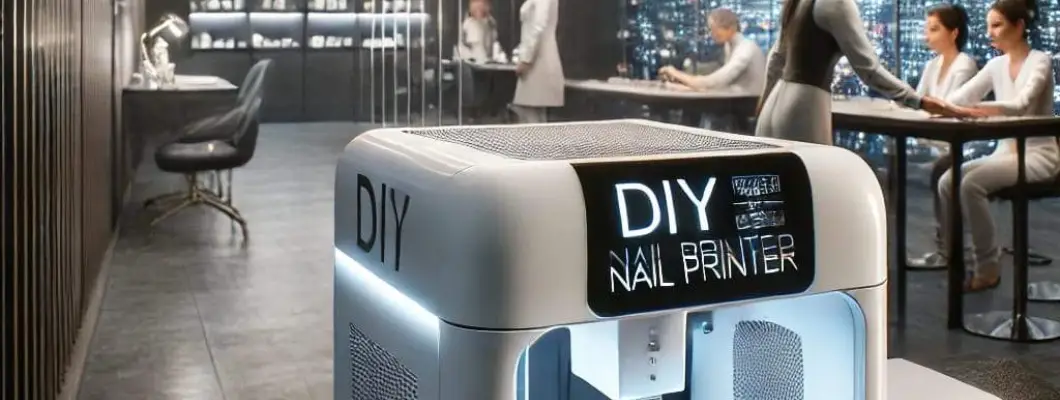
You imagine a bustling nail salon, where every corner buzzes with customers eager to flaunt the latest designs. A centerpiece of this modern success story is a cutting-edge DIY nail printer, promising to elevate nail art to unprecedented levels. The truth, however, might unfold as a different story altogether.
Why Your DIY Nail Printer Could Cost You More
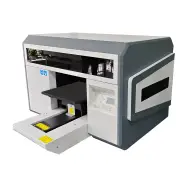
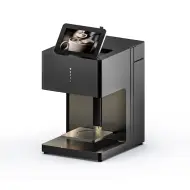
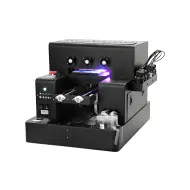
DIY nail printers, like the 3D Digital Intelligent Nail Art Printing Machine, paint a picture of convenience and creativity at your fingertips. But often concealed beneath the glossy exterior are hidden maintenance and operational costs that can sneak up on the unsuspecting user.
An average salon might find itself spending more on routine maintenance than on the initial purchase price of the machine within just a year.
From dealing with software glitches to constant upkeep, salons have to bear the brunt of expenses that are hardly talked about. Imagine a scenario where every time you think you've mastered a new creative design, your printer demands attention and dollars to fix a malfunction.
Industry Comparisons: Is DIY Truly the Way?
Comparing DIY nail printers to professional-grade options reveals stark contrasts. The upfront investment might favor the DIY route, but factoring in long-term expenses makes professional units appear more appealing. A typical commercial nail printer, though pricier at the outset, often comes with robust customer support and reduced maintenance overhead, giving salons peace of mind.
The math is clear — while your DIY choice might initially seem like a budget-friendly option, the accumulated costs might leave you regretting the decision.
The Real Cost of Labor: DIY vs. Professional Maintainability
Labor costs representing routine maintenance for DIY nail printers aren't merely anecdotal. They significantly impact the bottom line of salons, pushing owners to evaluate whether the investment truly gelled with their business model.
For salons relying extensively on DIY nail printers, hiring dedicated staff or training existing ones becomes necessary, a resource allocation often overlooked but vital.
Environmental Impact: The Hidden Liability
It's important to consider the environmental footprint of your DIY nail printer. The materials used, frequency of repairs, and energy usage, influence your business's eco-friendliness.
Large amounts of plastic, chemicals, and electricity are consumed in operations, exacerbating waste disposal issues and energy consumption. Choosing eco-friendly and energy-efficient models could counteract these disadvantages.
Your Competitive Edge: DIY Nail Printer Innovation or Gimmick?
It’s crucial to evaluate whether investing time, money, and effort into mastering a DIY nail printer truly provides a competitive edge. In an increasingly crowded market, salons must determine if these innovations equate to tangible advantages over competing services.
The decision comes down to weighing whether the art of DIY complements or competes against the seamless nature of traditional professional services.
User Scenarios: The Impact of Choosing the Right Tool
Consider 'Jane Doe,' an entrepreneurial salon owner looking to diversify and excite her clientele. Opting for a DIY nail printer, she initially boosts her income and sparks interest with unique designs, only to meet roadblocks with rising maintenance costs and environmental concerns.
A contrasting scenario explores 'John Smith,' who favors professional models. While initial costs are hefty, John benefits from reduced maintenance hurdles, streamlined operations, and sustainability, reinforcing his business’s long-term viability.
Finally, 'Anna Lee' balancing a niche boutique and DIY ambitions. She grapples with user errors and costly glitches, forcing Anna to reconsider prioritizing quality and reliability over short-term novelty.
Frequently Asked Questions About DIY Nail Printers
1. How often do DIY nail printers require maintenance?
Routine checks should be scheduled weekly to prevent software disruptions and repair costs escalating over time.
2. Are there hidden environmental costs associated with their use?
Yes, substantial energy use and plastic waste can increase long-term liabilities.
3. How do DIY printers compare economically to professional models?
While cheaper upfront, hidden costs in repair, labor, and resources can eventually exceed those of professional models.
4. What if user errors are frequent?
User errors can complicate operations, demanding enhanced employee training and costly repairs.
5. Can I rely on these printers for mass production?
Limited scalability due to technical limitations often restricts mass production capabilities.
The Bottom Line
One must weigh the allure of a DIY nail printer against its hidden pitfalls. A thorough examination of future costs, environmental impact, and competitive viability is crucial.
For those willing to navigate the challenges, consider enhancing your salon with a specialized tool, or otherwise investing wisely in advanced professional equipment. Explore more here.