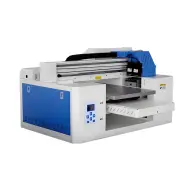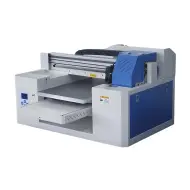
Unveiling the Hidden Operational Realities of DTG Printers Under $1000
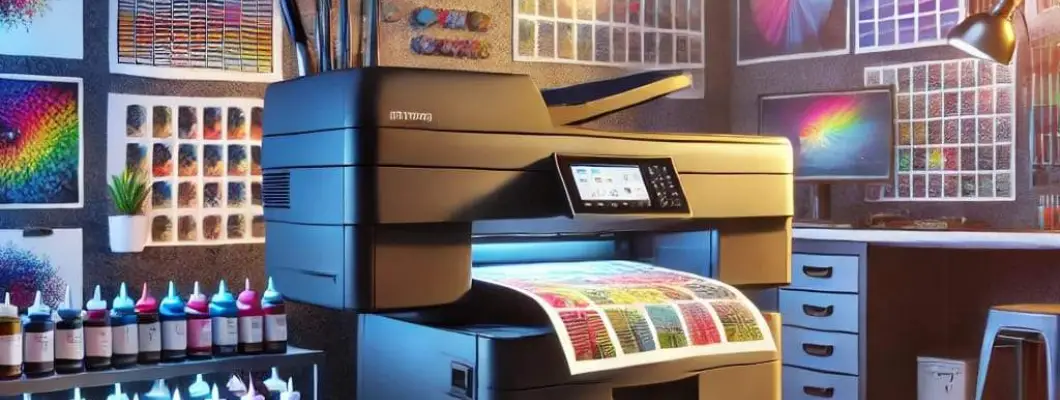
Understanding the Hidden Costs of Affordable DTG Printers
Imagine this: You're a small business owner with a vision. Your dream is to expand your product range by offering customized apparel through a direct-to-garment (DTG) printer without exceeding your $1000 budget. You dive into the market, hopeful to find a perfect match. But, behind every enticing price tag lies a labyrinth of hidden operational costs that could impact your bottom line and business growth. This article explores these unseen factors, offering you an analytical lens.
Entry-Level Costs and Their Implications
The initial purchase of a DTG printer under $1000 seems like a great deal. However, let's dissect the underlying costs. Beyond the upfront investment, there are crucial factors such as the quality of print heads, ink efficiency, and compatibility with substrates. These factors influence the total cost of ownership significantly. For small businesses, neglecting these details might result in frequent maintenance and higher long-term expenses.
The Cost of Ink and Consumables
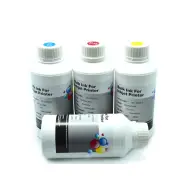
In the world of DTG printing, ink is king. Low-end printers often come with proprietary ink systems that could lock you into higher prices. It's essential to evaluate the yield per cartridge and the cost-effectiveness of the inks. For instance, while one printer might boast budget-friendly inks, its consumption rate may offset any savings.
Maintenance and Downtime
Regular maintenance is crucial for any DTG printer, but affordable options might require even more attention. Shorter life spans for critical components like print heads can lead to increased downtime, which, in turn, disrupts your operations. Calculating the time and cost of repairs is paramount.
Software and Compatibility
DTG printers typically include software for graphic design and print management. The real challenge lies in the limitations of entry-level software, which might lack advanced features needed for intricate designs. Compatibility with graphic design software suites can also pose challenges, requiring additional investment.
Environmental Considerations
With growing emphasis on sustainability, understanding the environmental impact of your chosen printer is vital. Lower-priced models may not adhere to the latest eco-friendly standards, which could affect your brand’s public perception and compliance with regulations.
The Scalability Dilemma
As demand grows, the capacity of an entry-level DTG printer under $1000 might not keep pace. Scalability becomes a significant hurdle, often requiring reinvestment into a more robust solution. Planning for future growth is essential to avoid stunted business expansion.
Real-World Case Studies
Case Study 1: Sarah’s Custom Tees
Sarah, a small business owner, opted for a budget-friendly DTG printer. Initially thrilled by the price, she soon realized the ink costs were eating into her profits. Her solution was to renegotiate with suppliers, but the hidden costs delayed her expansion plans significantly.
Case Study 2: Green Threads
James from Green Threads invested in a low-cost printer but found frequent maintenance to be a major bottleneck. Each delay led to lost orders. His eventual transition to a mid-range printer brought stability and growth to his operations.
Case Study 3: ArtWear’s Eco-Challenge
ArtWear focused on sustainability. Their entry-level DTG printer underperformed in eco-friendliness, leading to a strategic pivot towards more sustainable models. This decision, while costly upfront, enhanced their brand reputation and customer loyalty.
Technical FAQ
What are the typical maintenance costs associated with DTG printers under $1000?
Maintenance costs can involve regular replacement of print heads, cleaning procedures, and software updates. Budget around $100 annually for maintenance.
How do you calculate ink consumption effectively?
Divide the cost per cartridge by the number of prints it yields. Calculate ink costs per garment to measure profitability accurately.
Are there compatible ink options to reduce costs?
Some third-party inks claim compatibility but may void warranties or affect print quality. Research and test before committing.
What software limitations exist for entry-level printers?
Expect simplified interfaces, fewer design tools, and limited file support. Assess needs against offered capabilities before purchase.
How do lower-priced models impact environmental compliance?
Cheaper models may use more electricity and less eco-friendly inks. Ensure they meet essential regulatory standards.
Strategic Summary
When purchasing a DTG printer under $1000, it's critical to look beyond the price tag. Factor in the hidden operational costs, including ink, maintenance, software limitations, and scalability challenges. These elements can influence profitability and growth potential. For small businesses, strategic planning and informed decision-making are key to leveraging DTG technology effectively without unwelcome surprises. Our recommendation is to evaluate all facets of ownership and choose a model that aligns with your long-term business goals.