What They Won't Tell You About LED UV Ink: Hidden Maintenance Costs That Could Sink You
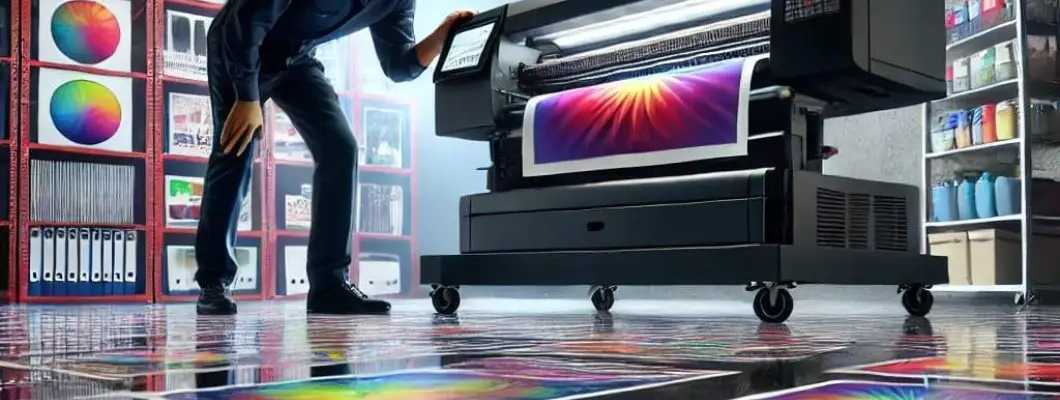
Picture this: You've just opened a small print shop. Business is booming, and everyone's talking about UV printing as the next big thing. You invest in LED UV ink, expecting vibrant colors and rapid curing times. It's the miracle ink said to transform your operation. But here's what the salespeople won't share—the maintenance costs lurking beneath the surface, waiting to erode your profits.
The Mirage of Cost Savings
LED UV inks are marketed as cost-effective solutions, promising lower energy consumption and faster production times. Yet, beneath the compelling sales pitch, there's the quiet hum of expenses that build over time. When your LED UV printer screams for maintenance after a few months, and the ink supply seems to dry up faster than expected, cost savings become a fleeting dream.
Decoding LED UV Ink Expenses
Maintenance expenses are often glossed over in shiny brochures. LED UV systems demand specific environmental conditions: optimal humidity, temperature controls, and regular servicing of the UV lamps themselves. Imagine investing in climate control systems—suddenly, energy bills aren't as friendly as promised.
Ink Consumption Mystery
The ink doesn't stretch as far as advertised, leading to frequent purchases and unforeseen expenses.
LED UV inks are known for their quick drying times. But the catch? It's also prone to fast consumption. Despite being touted as long-lasting, realizing how quickly bottles disappear can be daunting.
The Skill Gap Dilemma
Integrating LED UV ink requires skilled operators familiar with its quirks. Not everyone can master this system overnight. Training sessions stack up additional costs—a hidden obstacle often overlooked in the initial investment.
Environmental Concerns
Here's a paradox: while LED UV inks are praised for low emissions, mismanaging maintenance can lead to increased waste. UV lamp disposal and ink waste management need careful attention, else you'll face hefty fines.
What If You Ignore the Warnings?
Imagine Lucy, a new entrepreneur enamored by LED UV's promises. She skips the fine print and dives in. Six months down the line, maintenance costs skyrocket and the bottom line dwindles, leaving her regretful and struggling to pivot.
Consider Jack, an experienced print shop owner who conducts meticulous research. The upfront investment is daunting, but understanding LED UV’s quirks leads to strategic planning, efficiently managing expenses, and boosting profits.
And then there's Mike, who avoids LED UV ink, sticking to old systems. Customers complain about the lack of vibrancy and slow turnaround times. His hesitation to adapt costs him clientele and potential growth.
Expert Q&A
Q1: How frequent is LED UV ink maintenance? Monthly checks are recommended to avoid major issues.
Q2: Are there hidden energy costs? Yes, maintaining optimal conditions can increase energy consumption overall.
Q3: Can LED UV inks reduce environmental impact? Proper management can help but requires strict compliance.
Q4: Do all printers use LED UV ink efficiently? No, specific configurations are needed for efficiency.
Q5: Is there a learning curve involved? Significant training is necessary to optimize productivity.
The Verdict: Beware—what's hidden beneath the vibrant promise of LED UV ink is an iceberg of maintenance costs waiting to topple your profits. Scrutinize, strategize, and prepare for what's unseen to truly succeed in harnessing its potential.
Explore the latest in LED UV ink technology: Discover More