
Revolucionando los Regalos Florales con la Impresora de Rosas y Flores GNFEI
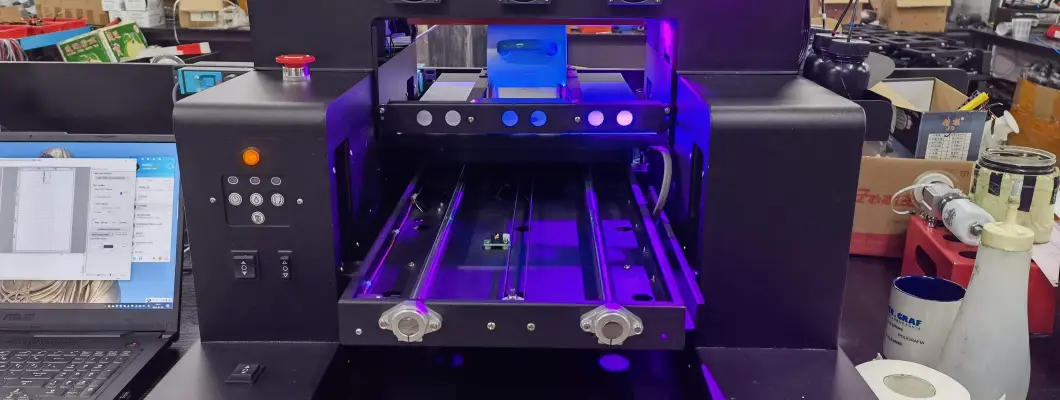
A3 Spot UV Printing & Coating: The Ultimate Guide to Direct-to-Substrate Customization
For sign makers, e-commerce startups, and packaging designers, investing in a robust UV printer is a proven shortcut to higher profit margins. The traditional constraints of screen and sublimation processes have dissolved, replaced by instant ultraviolet curing that prints full-color graphics on virtually any rigid or flexible substrate.
Video 1: GNFEI A3 Spot UV Printer F85V3 Demonstration
Video 2: F85V3 Spot UV Varnish Curing Process
If you are looking to scale your output, the key is finding a compact yet professional machine capable of applying vibrant ink, high-density white, and glowing gloss varnish simultaneously in a single pass. In this comprehensive guide, we will unpack direct-to-substrate digital customization and show you how to choose and operate a high-efficiency system to maximize your ROI.
Core Mechanics of a Modern UV LED Printer
Traditional printing depends on solvent evaporation or heat drying, processes that release volatile organic compounds (VOCs) and require porous materials. In contrast, a modern UV LED printer relies on photo-polymerization. As the printhead sprays specialized UV-curable ink, high-intensity LED light emitting a narrow UV spectrum (typically 395nm) instantly cures the ink. The liquid monomer instantly turns into a solid, durable polymer film.
This instant cross-linking allows a UV flatbed printer to deposit high-density white ink as an under-layer, followed by full-color CMYK inks and a final spot varnish, all in a single pass. The low-heat output of LED curing prevents warping on delicate plastics, opening up unlimited customization options.
How to Choose a UV Flatbed Printer for Startups & Small Businesses
If you are an entrepreneur looking to enter the personalized merchandise space, figuring out how to choose a UV flatbed printer without overspending is a major challenge. Heavy, factory-sized industrial systems easily cost upwards of $20,000, requiring dedicated high-voltage wiring.
For micro-studios and startup workshops, the ideal setup is the best desktop UV printer for small business. When researching, focus on these five core technical requirements to ensure your investment stands the test of time:
Multi-Pass Simultaneous Ink Configurations
Your machine must support independent print channels for CMYK, White, and Gloss Varnish. This allows you to print white backers, rich colors, and protective spot varnishes in a single run, reducing operational time by 50%.
Vacuum Flatbed Platform Integration
A physical vacuum bed is non-negotiable. It sucks lightweight plastics, leather sheets, or warped wooden panels flat against the bed, eliminating mechanical collisions with the printhead nozzles.
Adjustable Z-Axis Height Clearance
To print on thick objects like wooden boxes, suitcases, or trophies, choose a UV printer with Z-axis clearance of at least 10cm to 20cm, accompanied by high-precision infrared height-detection sensors.
Integrated Rotary Attachment Support
To print 360-degree wraps on insulated tumblers, flasks, and glass bottles, ensure your printer easily accommodates an automatic rotating cylinder jig accessory.
A3 Spot UV Printing Machine & UV Coating Printer
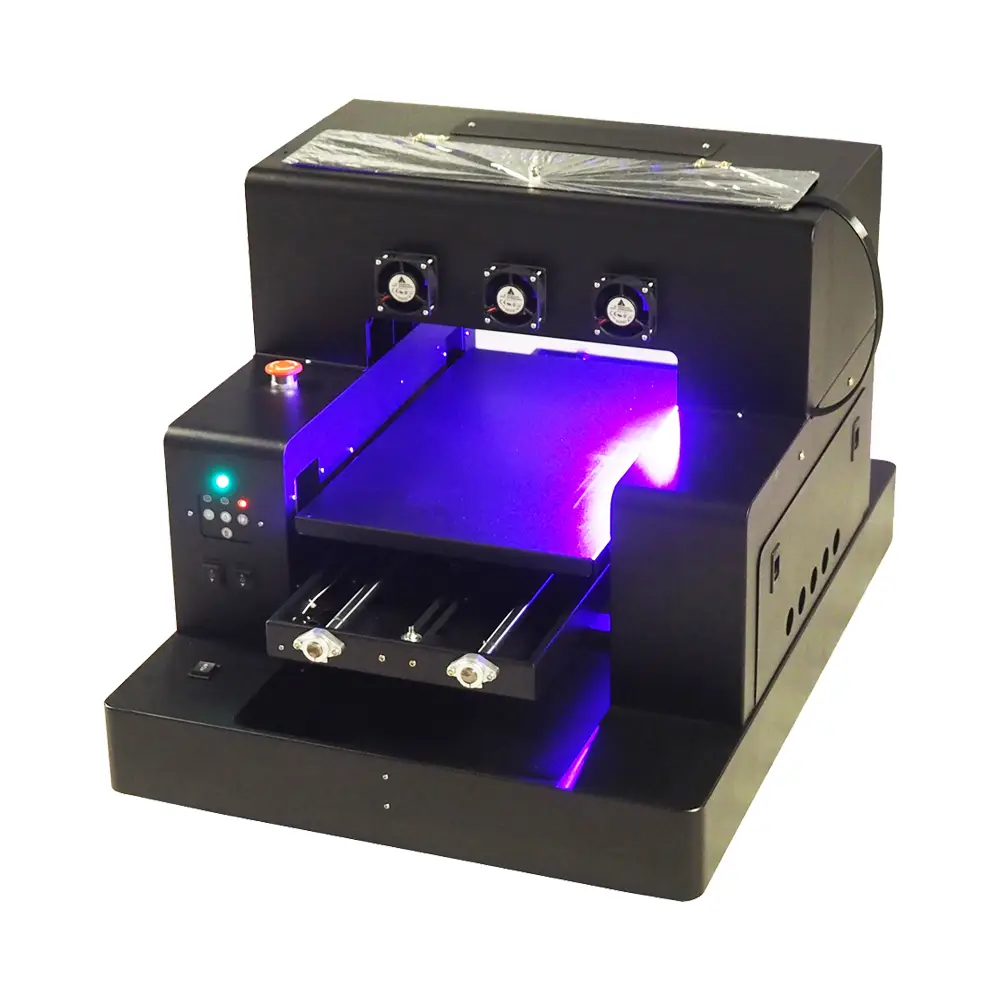
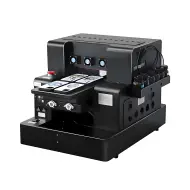
The GNFEI F85V3 redefines high-end product customization. Combining high-resolution UV inkjet printing with spot varnish coating in one automatic pass, this commercial flatbed delivers waterproof, vibrant, and tactile 3D finishes on glass, wood, metal, plastic, and acrylic.
The Custom Profit Equation: Direct Printing & Niche Applications
To build a successful local printing business, understanding how to print on textured surfaces with UV varnish overlays is your main competitive advantage. Flat prints are a commodity, but textured 3D graphics that people can physically feel command premium retail prices.
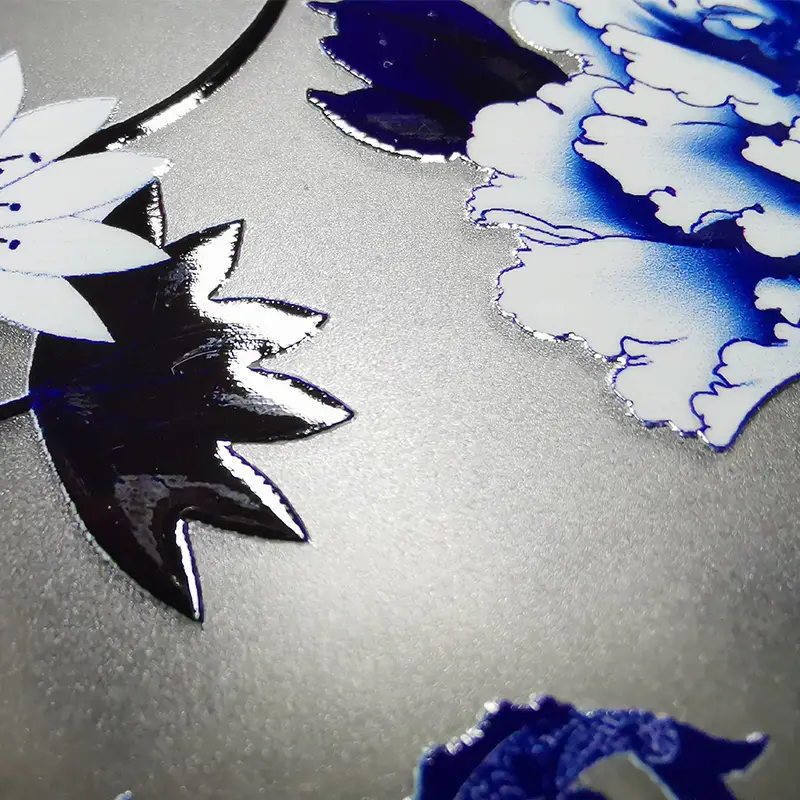
To print raised reliefs, you use RIP software to command the printhead to spray multiple successive layers of dense white ink over specific coordinates, curing each layer instantly. Once the physical relief is built, the printer deposits CMYK colors on top, capped with a layer of clear gloss varnish. This elevates generic blanks into high-end, touchable retail merchandise.
 Custom Metal Plates
Industrial Metal Plates & Signs
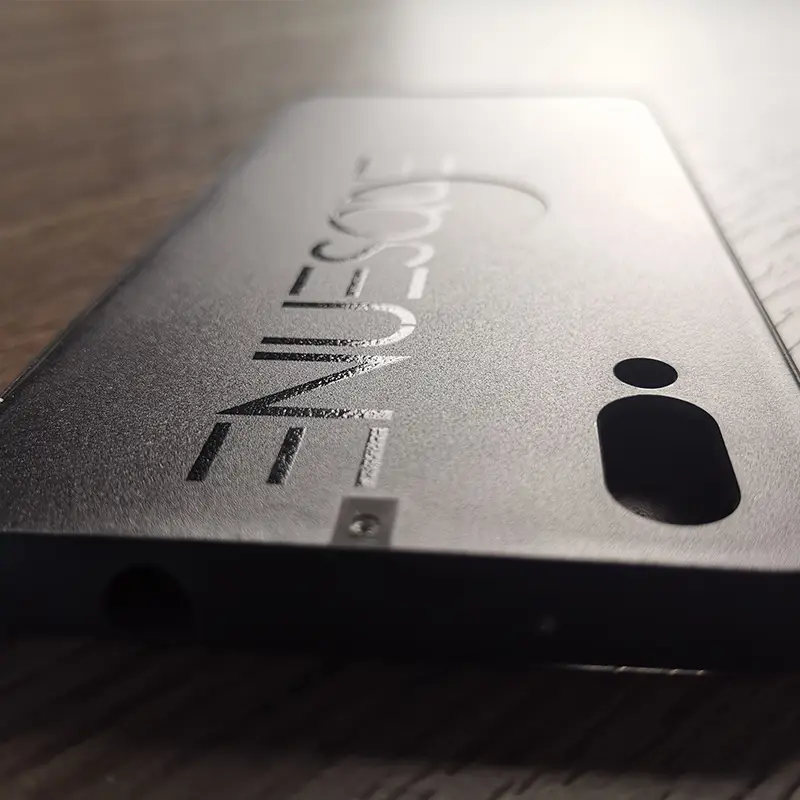
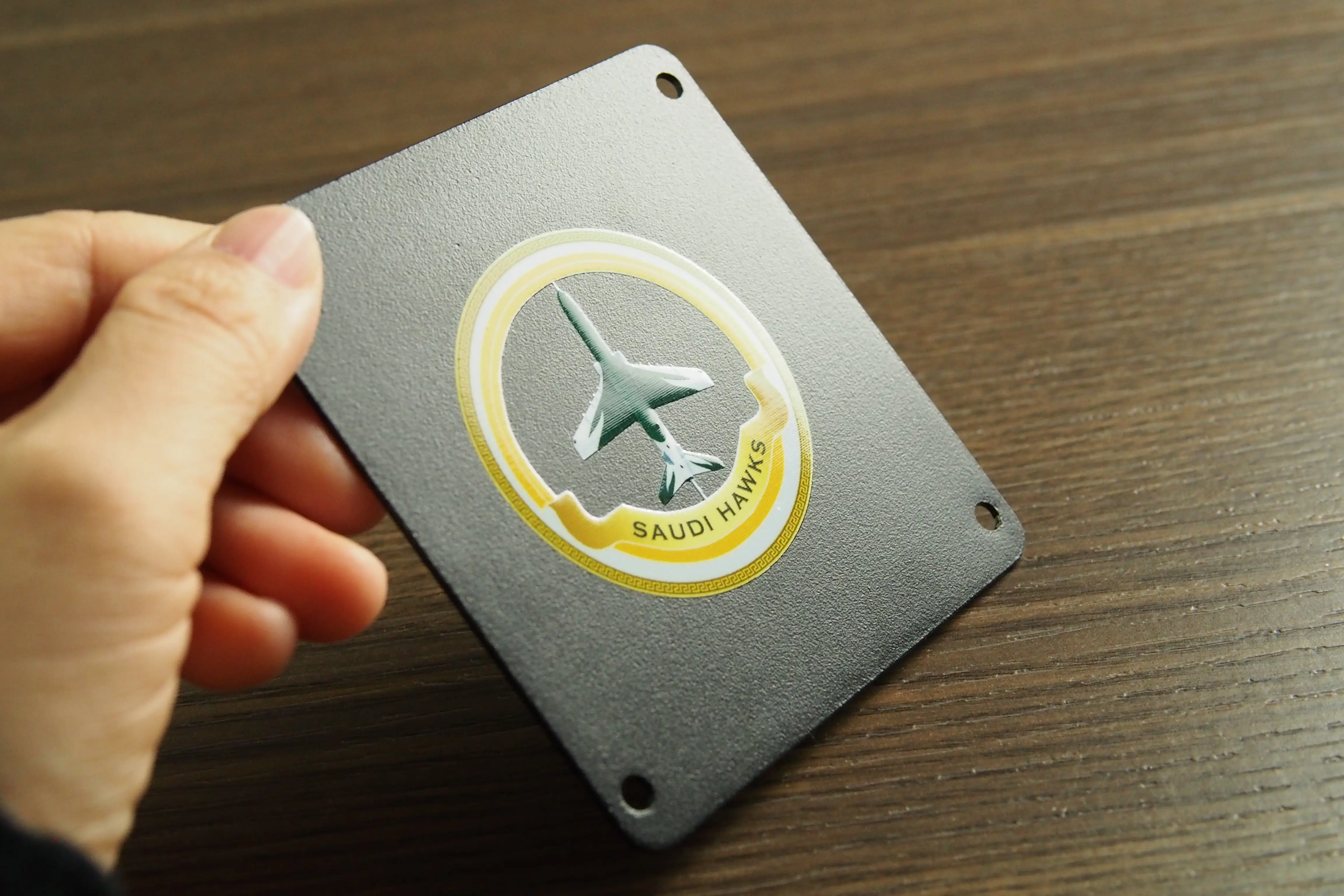
Direct printing on anodized aluminum, brass, and steel surfaces yields durable, industrial-grade results. High-density white ink underlays ensure that vibrant colors and clear protective coating stand out on dark metal plaques, custom trophies, and control panels.
 Premium 3D Embossing
Raised 3D Embossed Varnish
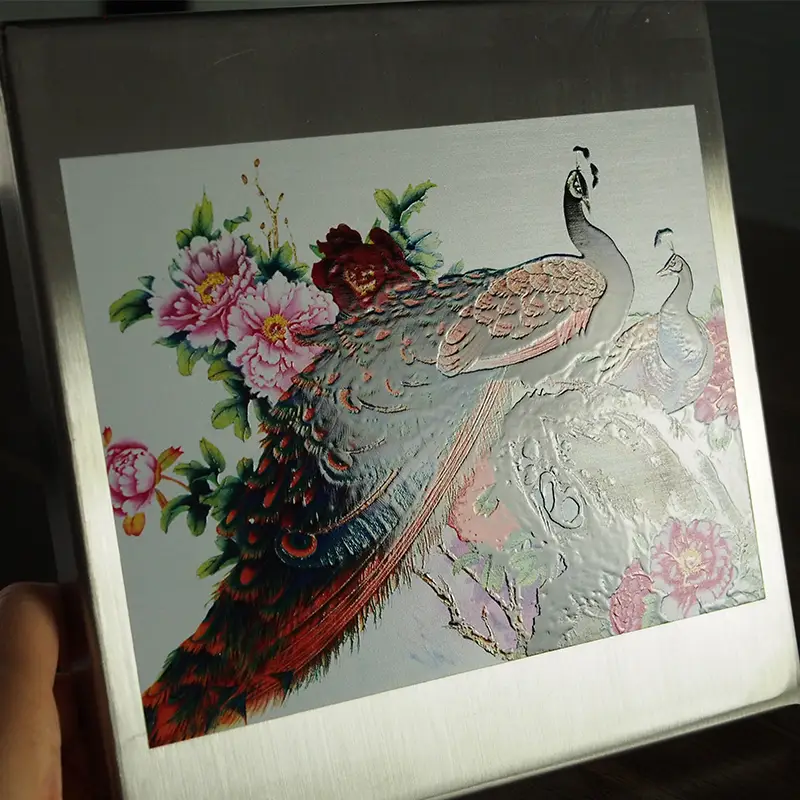
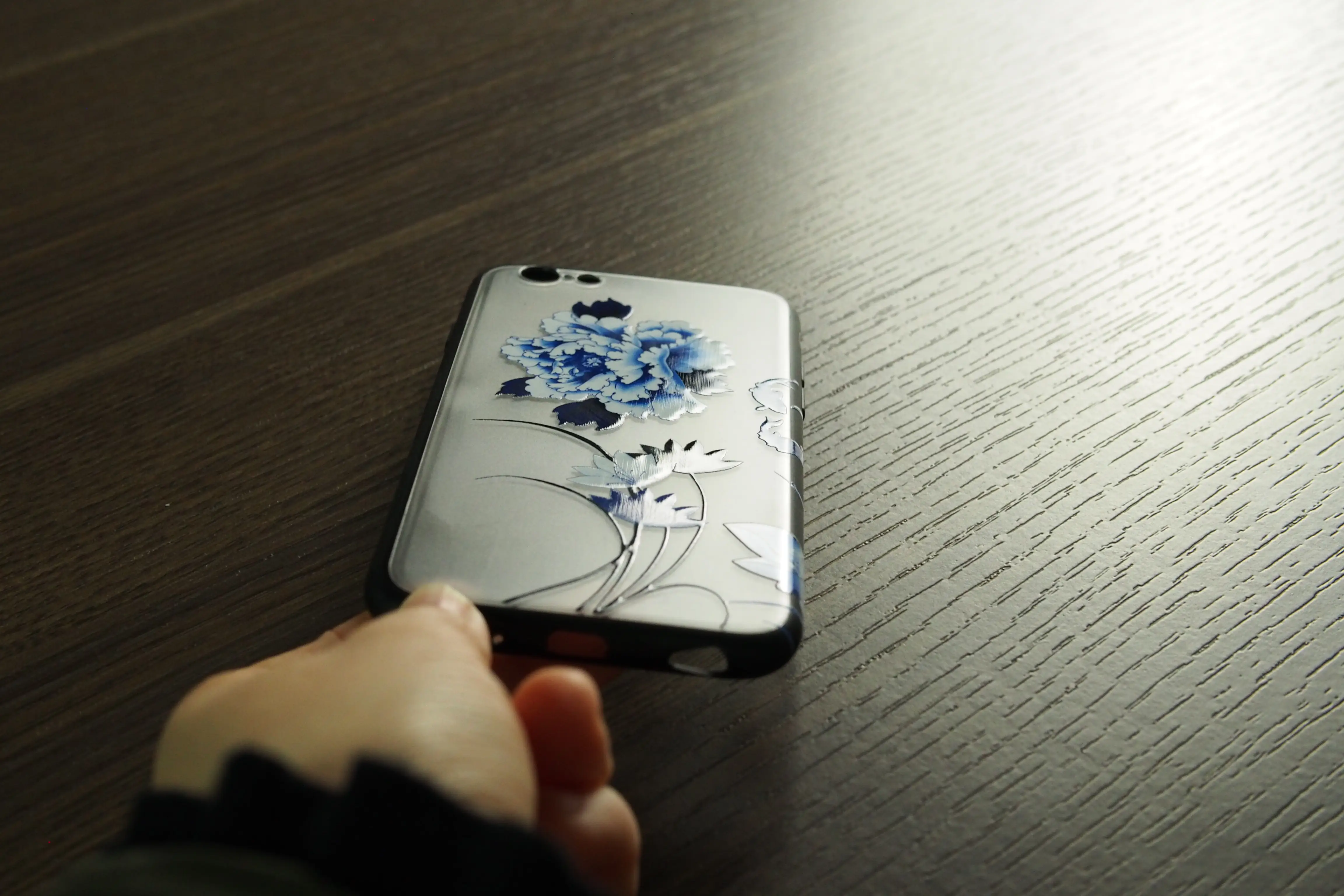
Maximize your margins with tactile finishes that customers can physically feel. By layering clear gloss varnish over dense white ink and vibrant CMYK colors, you can print high-end tactile floral patterns and premium texture effects on hard covers, acrylics, and gifts.
 Flexible TPU Cases
Elastic TPU Cover Customization
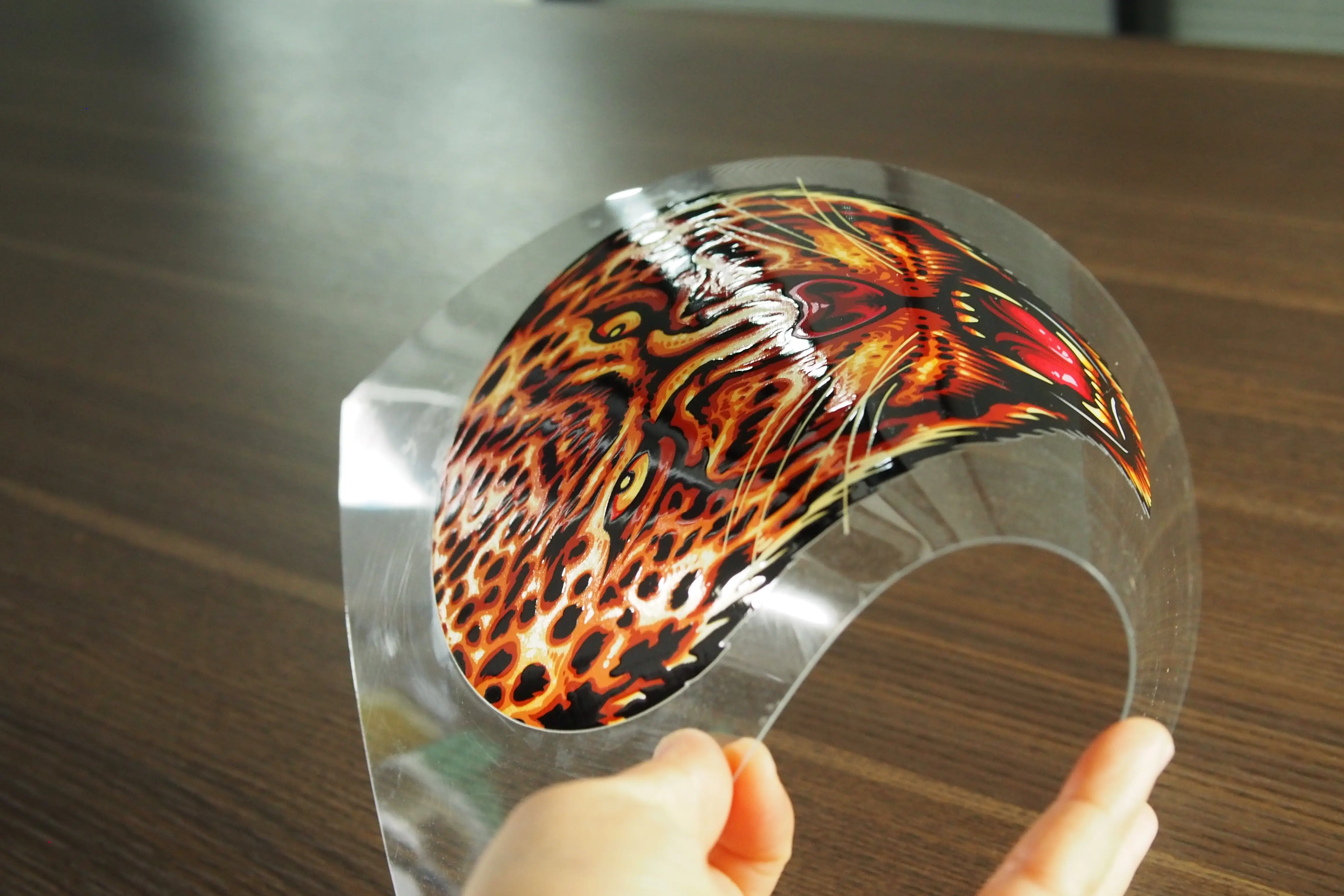
Printing on soft, flexible transparent TPU materials is a breeze with elastic UV-curable inks. This showcase demonstrates how high-resolution graphics, like a detailed tiger face, are printed directly on covers that bend, flex, and twist without ink cracking or peeling.
Detailed Technology Breakdown: Flatbed vs. Sublimation & Roll-to-Roll
When planning your commercial production shop, you will encounter multiple hardware categories. Let's compare flatbed systems with the other two dominant printing methods:
UV Printing vs Sublimation for Custom Mugs
Evaluating UV printing vs sublimation for custom mugs is essential for gift shop owners. Sublimation relies on high-temperature heat presses and polyester-coated mugs, which limits you to light materials. Modern direct cylinder UV printing allows you to print on any material—including stainless steel, glass, wood, and ceramic—creating raised 3D varnish textures in seconds with no heating or drying time.
UV Flatbed vs. Roll-to-Roll Systems
A UV flatbed printer is designed to hold heavy, rigid, or thick objects stationary on a flat bed while the gantry rides over it. A UV roll to roll printer is built to continuously feed flexible, thin banner materials (such as canvas, vinyl, or window films) from one reel to another. Flatbeds are built for product customization; roll-to-rolls are built for large-format soft signage.
Key Success Guidelines for Commercial Production
To scale a small home studio into a thriving commercial hub using an industrial UV printing machine, you must focus on the following operating guidelines:
- Target Niche Substrates: Rather than competing on generic phone cases, offer high-margin specialized products. Use a dedicated **UV printer for cylindrical objects** to corner your local corporate drinkware market.
- Implement Strict Daily Curing Maintenance: UV inks contain solid pigments (especially titanium dioxide in white ink) that can settle when idle. Ensure your chosen **commercial UV printer** has an automatic white ink circulation system, and perform a quick 60-second printhead nozzle flush at the start of each production day.
- Use Custom Fixtures (Jigs): Maximize your efficiency by laser-cutting specialized acrylic alignment templates (jigs) for the flatbed tray. This allows you to print dozens of small items like USB sticks or pens simultaneously in perfect registration.
Commercial Workflow Advice: Instant Output Curing
Because the LED lamp fully cures the print in real-time, finished products can be packed, boxed, and shipped to commercial clients immediately. This allows you to fulfill short-run, last-minute custom orders in a fraction of the time legacy sign shops require.
Customized merchandise demand continues to grow. Desktop and commercial systems like the GNFEI A3 Spot UV Varnish series represent highly accessible and reliable hardware tools to capitalize on this shift. By selecting the right machine, optimizing your workflow with jigs, and focusing on textured tactile finishes, you can build a sustainable, highly profitable printing business.
Deja un comentario