PET DTF Transfer Film and the Art of Infrastructure Integration
The Industrial Reality
The advent of PET DTF Transfer Film technology has introduced significant shifts in printing environments. These films, available in various sizes such as A3, A4, and roll formats, offer distinct advantages for high-volume production settings. However, integrating these solutions into existing infrastructures presents challenges that demand a keen understanding of both operational and technological parameters.
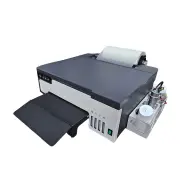
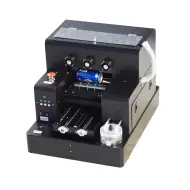
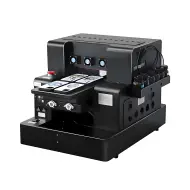
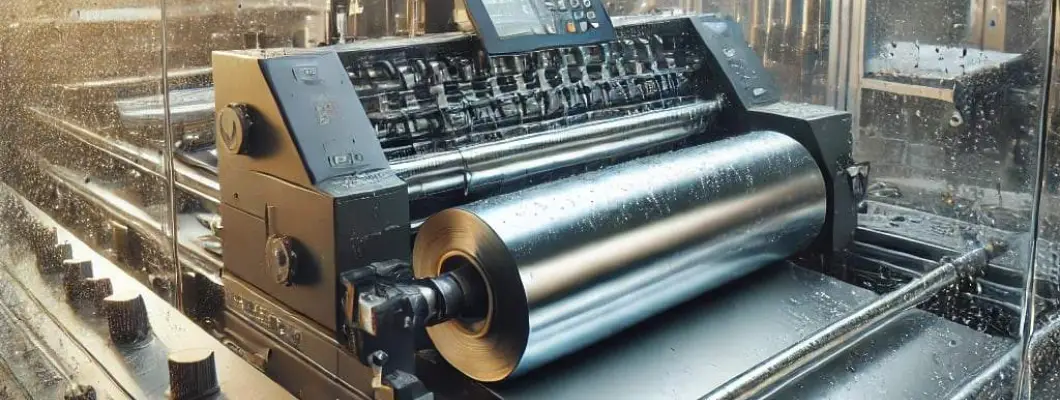
Consider a mid-sized industrial plant where the primary challenge is adapting legacy printer systems to accommodate new PET DTF technologies. The integration involves reconfiguring mechanical transport systems to manage diverse film sizes without disrupting existing workflows. This scenario highlights the need for precise thermal management and synchronization across devices with varied output capacities.
Technical Deep-Dive
Thermal Management
Integrating PET DTF films requires efficient thermal management to prevent deformation during the transfer process. An ideal system maintains a constant temperature within ±2°C of the target 160°C. This stability ensures consistent adhesion without affecting substrate integrity.
Substrate Versatility
The adaptation of PET DTF film in production offers potential compatibility with various substrates. The film's adhesive properties are optimized for textiles, provided the printhead can maintain a resolution of at least 1440 dpi. This ensures crisp and clear image transfers.
Mechanical Transport Systems
The physical movement of films through printers entails precise calibration of rollers and guides. Calculations indicate that deviations beyond 0.5 mm from a true path can lead to misalignment, impacting print quality.
Compliance with Safety Standards
Implementing these films in production lines demands strict adherence to safety protocols. The risk of overheating or chemical exposure necessitates robust ventilation systems and automated monitoring to maintain compliance with OSHA regulations.
Hardware Compatibility and Upgrades
Existing infrastructure may require upgrades to accommodate the thermal and mechanical demands of PET DTF films. Printer firmware updates and enhanced cooling systems are critical for maintaining operational efficiency.
| Spec | Legacy System | Upgraded System |
|---|---|---|
| Max Print Resolution | 720 dpi | 1440 dpi |
| Thermal Control Range | ±5°C | ±2°C |
| Alignment Precision | ±1 mm | ±0.5 mm |
Scenario Analysis
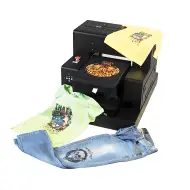
In a textile manufacturing environment, the precision and stability of PET DTF films can determine overall production effectiveness. Scenario one involves a small apparel business upgrading from screen printing to digital transfer. Here, the challenge is managing increased throughput while maintaining color fidelity and edge sharpness. The results show a significant reduction in labor costs and waste.
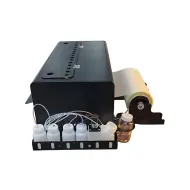
Scenario two examines a large-scale print shop integrating roll PET DTF film for customized merchandise. The primary concern is synchronizing multiple systems to handle high-volume orders without quality degradation. The solution lies in enhanced software controls and predictive maintenance schedules.
Scenario three explores a research facility using PET DTF films for experimental substrates. The focus is on adaptability and substrate versatility, requiring frequent adjustments in temperature and pressure settings.
Expert FAQ
How do thermal fluctuations impact the transfer quality? Even minor deviations can cause inconsistent adhesion, resulting in defects.
What mechanical upgrades are necessary for legacy printers? Rollers and guides must be recalibrated for precision alignment.
Can all substrates be used with PET DTF films? Compatibility depends on the substrate's thermal tolerance and surface properties.
What safety measures are crucial during integration? Ensure proper ventilation and adhere to chemical handling procedures.
How does one manage firmware updates for improved performance? Regular updates from manufacturers should be applied to enhance hardware efficiency.
Strategic Verdict
The trajectory of PET DTF Transfer Film technology signifies a growing shift towards more flexible and efficient production systems. As businesses navigate the complexities of integration, focusing on infrastructure adaptability and safety compliance will be crucial. Future innovations will likely enhance substrate compatibility and thermal management efficiency, setting new benchmarks in industrial printing.