Analyzing the Reality of Edible Food Printing in High-Precision Environments
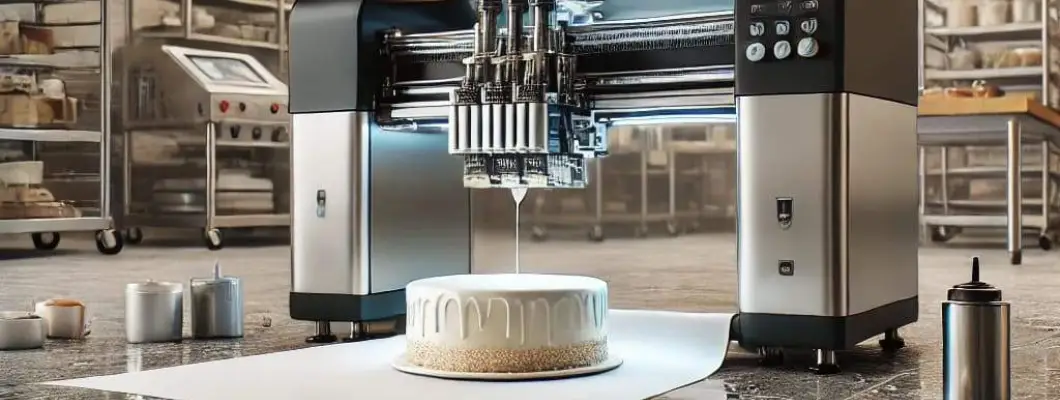
The Industrial Reality
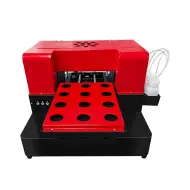
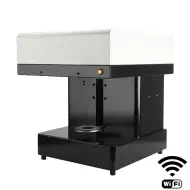
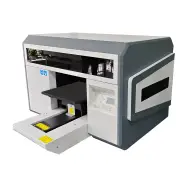
Imagine the bustling environment of a large-scale catering business, striving to meet increasing demands for personalized, edible decorations. The introduction of edible food printers like the Cake Printer Pizza Printer is a potential game-changer. However, the transition from traditional methods to this advanced technology is not without its challenges. Understanding the hidden operational bottlenecks is crucial for ensuring seamless integration and maximizing output potential.
Technical Deep-Dive
Understanding Precision Requirements
Edible food printers must achieve high precision to maintain quality standards. This involves understanding printing resolutions, measured in dpi, which directly affect the level of detail. A resolution of 1200 dpi is standard, but more demanding designs might require higher specifications.
Material Compatibility
Substrate versatility is essential. These printers must handle various edible materials, from cake fondant to pizza dough. Each substrate presents unique challenges in terms of adhesion and consistency.
Temperature Management
Thermal management plays a critical role in maintaining printer functionality. The operational environment's temperature can affect ink viscosity and flow, impacting the print's final quality.
Hardware Constraints
| Parameter | DIY Printer | Industrial-Grade Printer |
|---|---|---|
| Print Resolution (dpi) | 600 | 1200 |
| Max Substrate Thickness (mm) | 5 | 15 |
| Operational Temperature Range (°C) | 10-30 | 5-35 |
Maintenance Impacts
Regular maintenance is crucial to avoid downtime. Understanding the printhead physics and ink chemistry helps reduce potential failures and extends the printer's lifespan.
Scenario Analysis
Catering Services
For a business handling large wedding events, the ability to produce intricate cake decorations quickly and consistently is key. The precision of a 1200 dpi printer enables superior detailing, meeting client expectations and enhancing brand reputation.
Artisanal Bakeries
An artisanal bakery focused on bespoke designs benefits from substrate versatility. The ability to switch between fondants and marzipan seamlessly allows bakers to offer a wider range of products without sacrificing quality.
High-Volume Pizzerias
In the world of pizzerias looking to offer unique, personalized pizzas, managing thermal output is essential. Ensuring that print quality remains consistent despite fluctuating kitchen temperatures directly impacts customer satisfaction.
Expert FAQ
How does print resolution affect edible food quality?
Higher dpi allows for more detailed images, crucial for businesses that require high-quality, intricate designs.
What are the most common substrates for edible printers?
Fondant and icing sheets for cakes, with potential adaptations for bread-like substrates in pizza applications.
How important is ink composition?
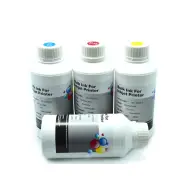
Ink composition must be food-safe while providing vibrant colors. Consistency in flow and drying times is also critical.
What maintenance tasks are unique to food printers?
Cleaning protocols are more stringent due to food safety regulations, requiring frequent cleaning of components in contact with edible inks.
How does thermal management impact performance?
Temperature fluctuations can alter ink viscosity, affecting print precision and consistency. Carefully managed environments mitigate these effects.
Strategic Verdict
The trajectory of edible food printing technology is promising. As manufacturing processes become more refined, these printers will likely become indispensable in high-precision culinary environments. The ability to reliably produce complex designs offers significant advantages, provided that businesses can navigate the initial integration challenges. As the technology evolves, expect improvements in substrate compatibility and thermal regulation, further solidifying its role in the food industry.