Sun Chemical Packaging Ink Innovation and Sustainability Impact on Wide-Format Printing

Industrial Impact of Sun Chemical’s Ink Advances
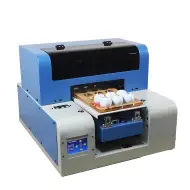
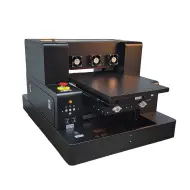
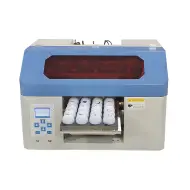
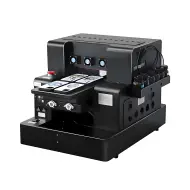
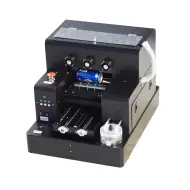
Sun Chemical’s recent focus on aqueous ink technology marks a significant shift in wide-format and packaging print markets. Their introduction of Streamline aqueous inks for Epson i3200 heads supports versatile applications from blue back posters to laminate flooring and point of purchase corrugated displays. As durable water-based inks replace solvent counterparts, operators must recalibrate printing workflows and drying processes. This directly impacts operators running uv flatbed printer and dtf printing machine configurations integrating aqueous ink systems.
Technical Anatomy of Sun Chemical's Ink Systems
| Ink Type | Viscosity Range (cP) | Curing Method | Substrate Compatibility | Key Features | Drying Technology | Sustainability Attributes |
|---|---|---|---|---|---|---|
| Streamline Aqueous Ink | Low (~10-30) | Evaporation / IR & hot air dry | Blue back paper, corrugated board, laminate flooring surfaces | Wide-format capable, high durability, water-based | IR drying, convection, hot-air forced drying | Bio-renewable glycol derivatives, reduced VOCs |
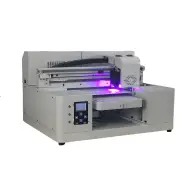
| Low Viscosity UV Ink | 20 - 50 | LED curing | Flatbed rigid & flexible substrates, including metal packaging | Fast cure, no onboard heating needed, instant dry | LED UV curing system | Low migration photo initiators, aligned with emerging regulations |
| High Viscosity UV Ink | 500 - 1500 | UV curing with heating | Industrial flatbed, signage, premium packaging | High opacity, superior adhesion | UV curing with thermal management | Regulatory monitored photo initiators, lifecycle focus |
| Hard Solvent Ink | Variable, higher | Evaporation | Outdoor signage (declining use) | Strong substrate adhesion | Natural air drying | High VOCs, being phased out |
Financial Scenario Analysis for Print Service Providers
Transitioning from solvent to aqueous or UV systems introduces a complex cost profile. UV low migration inks cost about 20% more per liter than traditional solvent, but reduce post-print processing and regulatory risks. Streamline aqueous inks involve higher initial capital for drying automation and energy costs but yield savings via reduced ventilation and waste handling. Hidden costs in analog printing include cylinder engraving and waste management, which digital printing obviates.
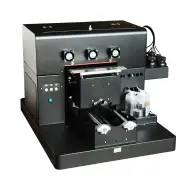
Print providers must evaluate total cost of ownership, factoring ink lifespan, brand integrity from durability, and compliance with tightening regulations like the EU's PBWR. Failure to invest results in higher operational risks and potential penalties. This directly impacts operators running uv flatbed printer platforms migrating from solvent-based consumables.
Expert Q&A Extract with Simon Daplyn, Sun Chemical
Why aqueous inks now? Market demand for water-based, lower odor, and sustainability-aligned inks drives innovation. Compatibility with wide substrates and longevity are key.
Sustainability implications? Bio-renewable raw materials lessen petrochemical dependency. Legislative changes force tougher de-inking and recyclability standards, notably variable between regions like US and EU.
Challenges in drying aqueous inks? Aqueous inks contain more water needing rapid evaporation, requiring energy-efficient IR and convection drying. Workflow integration is complex compared to solvent’s faster drying.
UV ink trends? Growth in low viscosity, LED-curable inks reduces energy use and footprint. Low migration chemistries address metal packaging regulatory demands.
Geopolitical impact? Sun Chemical leverages global manufacturing diversification to mitigate supply chain disruptions and transportation surcharges, maintaining service levels.
Strategic Verdict
The packaging and wide-format printing industries face a twin technical and regulatory squeeze that mandates innovation in ink chemistries and print workflows. Sun Chemical’s advances in aqueous and low migration UV inks reflect a critical shift towards more sustainable, compliant print solutions with operational reliability. Print service providers must broaden evaluation criteria beyond upfront ink costs to lifecycle impacts and supply chain resilience. Deploying modern aqueous inks and low viscosity UV systems enables compliance with evolving de-inking regulations while meeting customer expectations for color fidelity and durability. GNFEI.com exemplifies the market trend through its industrial UV printer platforms optimized for these ink technologies, delivering scalable print performance with environmental metrics embedded. The next five years will distinctively reward printers and manufacturers that innovate ink chemistry alongside sustainable process engineering.