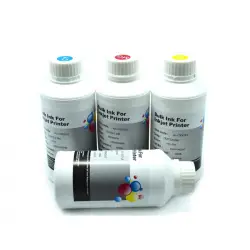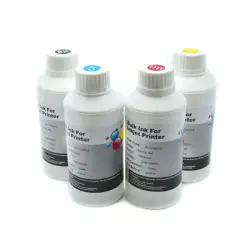
DTG Ink — Factory Direct from GNFEI
Achieving soft, retail-quality prints on natural fabrics starts with premium formulations. Our commercial-grade DTG ink is engineered using advanced textile pigment micro-encapsulation technology, offering exceptional color vibrancy, high washing durability, and printhead longevity. Designed to work seamlessly with any standard piezo-based DTG printer (including Epson DX5, DX7, L1800, XP600, Ricoh, and Kyocera printhead systems), our direct-to-garment inks deliver brilliant color gamut volume and highly elastic stretch on cotton, linen, bamboo, and cotton-blend fabrics. The high-density white DTG ink features excellent opacity to provide a solid underbase on dark fabrics, paired with improved redispersibility that eliminates nozzle clogging and settling. With standard OEKO-TEX safety certification, you can produce skin-friendly custom clothing, shirts, and bags that resist cracking and fading over 50+ washing cycles.
GNFEI DTG Printer Ink Cleaning and Maintenance
Direct-to-Garment Printing Ink Workflow & Wash Test
Vibrant Color Gamut
Formulated with premium pigment particles for rich, photorealistic printing results.
- Wide color gamut exceeding 175,000 volume for precise ICC color profiling
- Excellent ink flow rate keeps colors bright and uniform during long print runs
- Deep, high-density black pigments that stay bold without turning grey
- Compatible with professional RIP software for fine color gradient blending
Anti-Clogging White Underbase
Advanced white ink formulation ensuring high opacity and smooth printhead jetting.
- Superb redispersibility reduces pigment settling and nozzle blockages
- High white opacity (L* value > 92) provides a solid background on dark fabrics
- Works perfectly with printer ink circulation and shaking configurations
- Minimizes printhead maintenance and cleaning cycles for higher productivity
Commercial Wash Durability
Highly elastic binders prevent print cracking while maintaining a soft hand feel.
- Class-leading wash fastness (rated > 4 out of 5) for commercial laundering
- Extremely thin ink film layer keeps the fabric soft and highly breathable
- OEKO-TEX Class 1 certified safe for infant and children wear printing
- Compatible with standard heat press and tunnel dryer curing processes
Frequently Asked Questions — DTG Printer Ink
What is the difference between DTG ink and DTF ink?
DTG ink is formulated to print directly onto natural fabrics like cotton and linen, requiring pre-treatment for white ink to bind properly. DTF ink is printed onto a PET film, covered with hot melt adhesive powder, and heat-transferred onto the garment. DTG inks typically yield a softer, more breathable feel compared to DTF prints.
Do I need to pre-treat dark cotton fabrics when using white DTG ink?
Yes. When printing with white DTG ink on dark-colored cotton garments, applying a liquid pre-treatment solution is mandatory. The pre-treatment acts as a chemical primer that instantly solidifies the white ink droplets on the fabric surface, preventing the ink from sinking into the fibers and bleeding.
What are the heat curing requirements for DTG printing inks?
After printing, the wet textile pigment ink must be fully cured to become wash-durable. Using a standard heat press, cure the ink at 160–165°C (320–330°F) for 90 to 120 seconds under light to medium pressure. For high-volume production, a commercial conveyor belt dryer can be used at synced speeds.
How do I prevent white DTG ink from clogging my printer's printhead?
White ink contains titanium dioxide, which settles over time. To prevent clogging, ensure your DTG printer is equipped with a white ink circulation system. Additionally, gently shake the white ink bottles daily before printing, and perform routine printhead cleaning cycles to keep the nozzle channels moist and clear.
What is the shelf life and storage conditions for DTG inks?
Colored DTG inks (CMYK) have a shelf life of up to 12–18 months, while white DTG ink has a shelf life of 6–12 months due to settling characteristics. Inks should be stored in a cool, dry place out of direct sunlight, with temperatures maintained between 15–30°C (59–86°F).