The Real Difference Between Screen Printing T-Shirts and DTG Printing
The Real Difference Between Screen Printing T-Shirts and DTG Printing
When it comes to custom T-shirt printing, the options can seem endless. Two of the most popular methods are screen printing and Direct-to-Garment (DTG) printing. While both techniques allow you to produce vibrant and durable designs, they are fundamentally different in their processes, costs, and ideal use cases. Understanding these differences can help you make informed decisions for your apparel projects, whether you're running a business, designing a personal collection, or ordering for a special event. In this guide, we"ll explore the key distinctions between screen printing and DTG printing, their respective advantages, limitations, and which method suits specific needs best.
What Is Screen Printing?
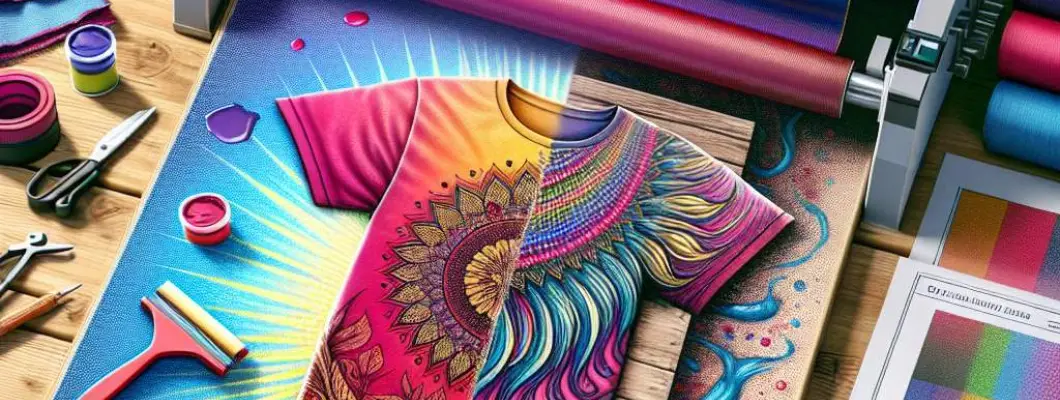
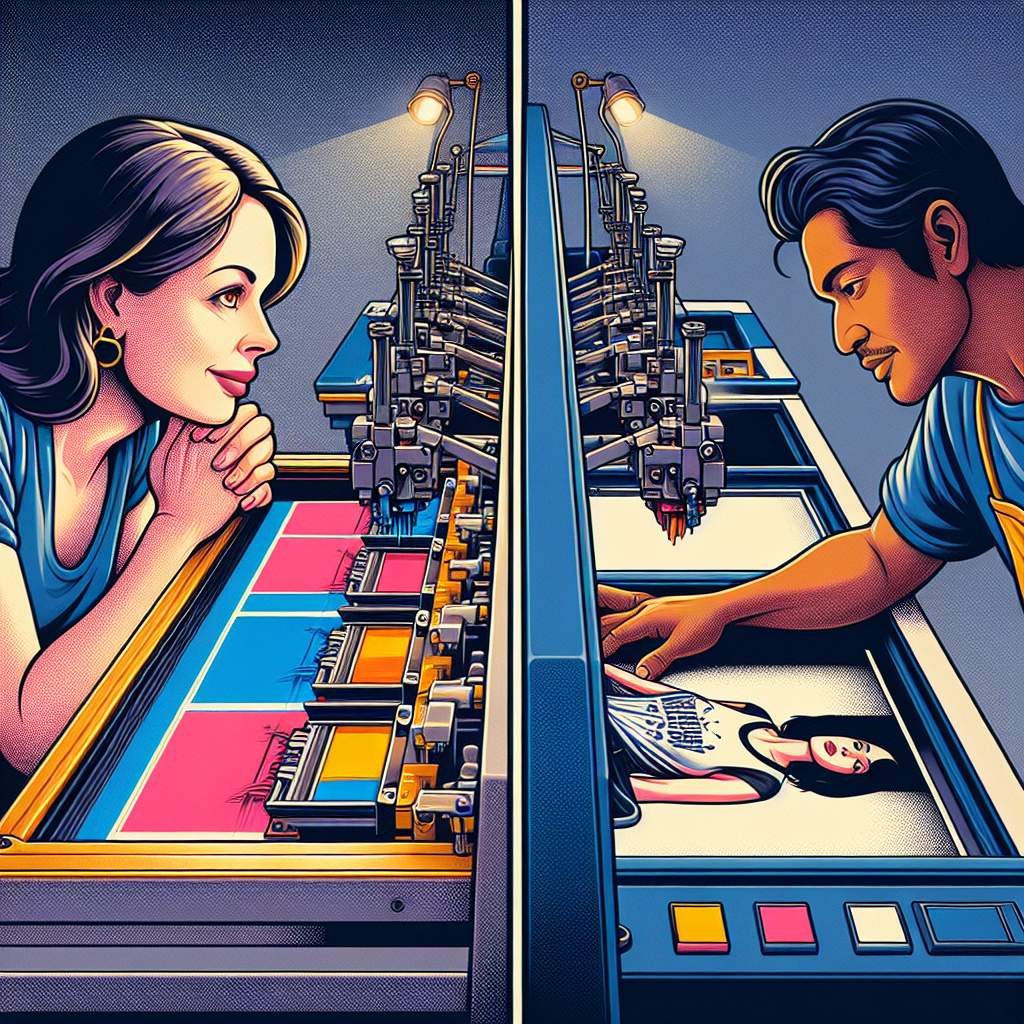
Screen printing, also known as silk screening, is a traditional technique that has been around for decades. It involves creating a stencil, or screen, for each color in your design. Ink is then pushed through the screen onto the fabric using a squeegee, layer by layer. Once the ink cures, the design becomes a part of the T-shirt, resulting in a vibrant, long-lasting print that"s suitable for bulk orders. Screen printing is often preferred for large quantities because of its efficiency and cost-effectiveness at scale.
What Is DTG Printing?
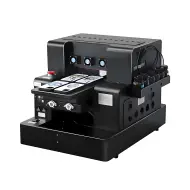
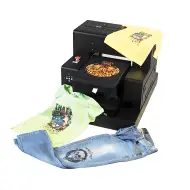
Direct-to-Garment (DTG) printing is a more modern digital printing technique that functions similarly to an inkjet printer but for fabrics. The design is printed directly onto the T-shirt using specialized inkjet technology. This method allows for highly detailed and colorful images, including photographs and complex artwork, without the need for screens or stencils. DTG is especially popular for small batches, one-off designs, or products with intricate details. If you"re interested in high-resolution prints with a soft finish, DTG might be the optimal choice.
Cost and Production Speed
One of the primary differences between the two methods involves cost and production efficiency. Screen printing has high setup costs due to screen creation but becomes very economical when printing large quantities—typically hundreds or thousands of shirts. The setup time can be lengthy, but once the screens are prepared, printing runs are quick. This makes it ideal for bulk orders where cost per shirt is a priority.
In contrast, DTG printing requires minimal setup—often just preparing the digital file—and is much faster for small orders or custom prints. There are no screens to produce, which reduces initial costs and turnaround time. However, the cost per print tends to be higher than screen printing for large quantities, which might make it less suitable for big bulk orders but perfect for small batches and personalized designs.
Design Capabilities and Artwork Details
When it comes to design complexity, DTG printing has significant advantages. It can reproduce highly detailed, multi-colored images with smooth gradients, photographic elements, and small text very accurately. This makes it ideal for complex artwork that would require multiple screens and color separations in screen printing, increasing costs and complexity. Conversely, screen printing works best with simpler designs featuring limited colors; intricate details can become blurry or lost due to the limitations of mesh screens. For bold, vibrant designs with a limited color palette, screen printing shines and offers excellent color vibrancy and durability.
Durability and Feel of the Print
Both methods produce durable prints, but their characteristics can differ. Screen-printed designs tend to be thicker with a more textured feel, especially with multiple layers of ink, which can give a vintage or bold aesthetic. They are also highly resistant to cracking and fading over time if properly cured. DTG prints, on the other hand, result in a softer, more fabric-like feel because the ink is absorbed into the fibers of the fabric. This makes DTG prints less noticeable to the touch and more comfortable for those who prefer a lightweight, seamless finish. Proper care, such as using gentle washing methods, extends the longevity of both types of prints.
Color Range and Flexibility
Screen printing is limited by the number of colors you can practically use in a process—each color requires a separate screen, which can increase costs exponentially for designs with many colors. This is why it"s often best suited for designs with 1-4 colors. DTG printing, however, can handle full-color images with as many shades as needed, including photographic details. The digital nature of DTG allows for incredible flexibility in color reproduction, making it suitable for designs that require a broad spectrum of hues and nuanced shading.
Environmental Impact and Material Compatibility
Both methods have environmental considerations. Screen printing uses inks that can contain volatile organic compounds (VOCs), and excess ink waste needs to be managed responsibly. Advances in eco-friendly inks have mitigated some concerns, but traditional screen printing can still be resource-intensive. DTG printing generally has a lower environmental footprint, as it uses water-based inks that are less harmful and produce less waste. Additionally, because DTG can print on a variety of fabric types without creating multiple screens, it can be more eco-friendly for small batch custom projects. Always consider the sustainability practices of your chosen printing provider.
Choosing the Right Method for Your Needs
Deciding between screen printing and DTG ultimately depends on your specific project requirements. If you"re producing a large order of shirts with simple designs and limited colors, screen printing is generally more cost-effective and produces vibrant, durable results. It"s perfect for brand merchandise, event shirts, or uniform apparel where consistency and economy matter.
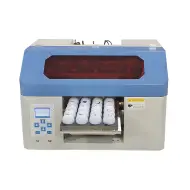
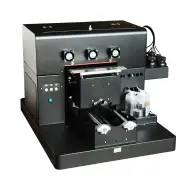
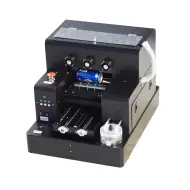
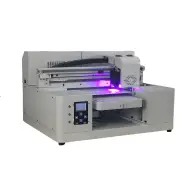
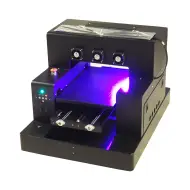
However, for small batches, highly detailed artwork, or personalized gifts, DTG printing offers unmatched flexibility and quality. It"s ideal for one-off designs, photographic images, or custom orders where turnaround time and cost per piece are important factors. To explore modern, reliable DTG printing options, consider checking out high-quality printers like the A3 DTG Printer, which can deliver professional results for small and medium-sized runs.
Conclusion
Understanding the core differences between screen printing and DTG printing enables you to select the best method based on your project scope, design complexity, budget, and desired product quality. Both techniques have their strengths and limitations, making them suitable for different purposes. Whether you prioritize cost efficiency for large runs or vibrant, detailed images for small batches, choosing the right printing method can help you achieve your vision effectively. Ultimately, it"s about matching your needs with the capabilities of each process to produce apparel that stands out and lasts.
Advanced Technical Insights & Application Analysis
When comparing DTG, DTF, and screen printing for custom T-shirts, understanding the underlying technological differences is essential for professional-grade production. DTG (Direct-to-Garment) excels in high-resolution printing, allowing intricate details and photographic designs to be seamlessly transferred onto apparel. With advanced ink absorption and compatibility with various fabric types, DTG ensures a softer finish and minimal ink waste, making it ideal for boutique-level personalization or short-run custom orders. Conversely, DTF (Direct-to-Film) leverages a unique adhesive mechanism to bond designs onto fabrics, offering greater flexibility in fabric choice and durability, especially in niche applications like heat-transferred designs for polyester blends.
The production economics of screen printing vs. DTG or DTF further highlight scalability differences. Screen printing remains the most cost-effective choice for bulk orders, outperforming digital methods when producing hundreds of simplistic designs with limited color palettes. However, for projects requiring one-off designs or complex gradients, DTG and DTF printing deliver unmatched precision and versatility. Businesses utilizing DTG printers like the A3 DTG Printer can achieve low-cost prototyping while minimizing environmental impact through the use of water-based inks. For B2B operations, investing in DTG or DTF technology enables higher ROI through quicker setup times and digital file-based workflows, especially for small-to-medium scale enterprises targeting customization needs.
Frequently Asked Questions
- How does DTG compare to DTF for durability? DTG inks bond directly into the fabric fibers, resulting in a smooth finish that is long-lasting with gentle care. DTF designs, adhered via a heat transfer process, offer slightly enhanced durability for synthetic materials like polyester and are less prone to fading under repetitive washing.
- Which method is best for eco-conscious printing practices? DTG printing generally uses water-based, eco-friendly inks, making it the more sustainable option for custom T-shirt production. Screen printing can also adopt low-VOC inks, but its high material and ink consumption make it less environmentally favorable.
- What are the setup cost implications for DTG vs. screen printing? DTG eliminates setup costs by printing directly from digital files, allowing faster initial production. Screen printing, however, requires physical screen preparation for each color, leading to high upfront setup costs but reduced cost per unit for large orders.