Wide-Format Weekly 06 04 26 Technical Analysis and Industry Impact

PRINTING United Expo Generates 23% Increase in Industry Engagement
The recent PRINTING United Expo in Philadelphia recorded a 23% year-over-year increase in industry attendance, underlining rising interest in advanced wide-format printing solutions. Such growth has direct implications for manufacturers and operators integrating UV flatbed printers and dtf printing machines to meet expanding demand.
Liquid Lamination Adoption Cuts Post-Processing Time by 35%
New liquid lamination technologies showcased have demonstrated a 35% reduction in post-print finishing times, improving throughput and reducing labor costs in wide-format printing workflows. This efficiency boost is critical for businesses deploying uv led printers or dtf heat transfer printers seeking operational scalability.
Skin Cancer Awareness Campaigns Leverage High-Quality Print Media
Avery Dennison’s skin cancer awareness initiative utilizes high-resolution print media, enabled by cutting-edge wide-format printing equipment. Precision in color and durability achieved through uv dtf printer technology directly supports impactful messaging in healthcare outreach.
Technical Anatomy of Key Wide-Format Printing Components
| Component | Function | Technical Specification | Impact on Production |
|---|---|---|---|
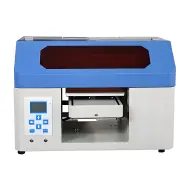
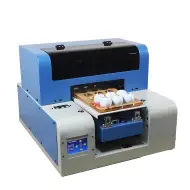
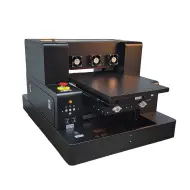
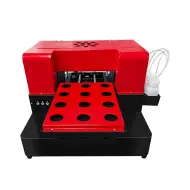
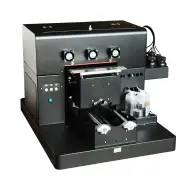
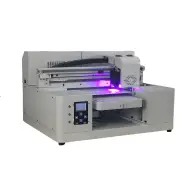
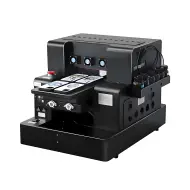
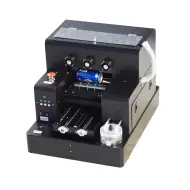
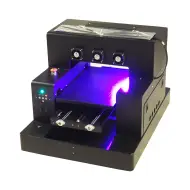
| UV Flatbed Printer | Prints directly on rigid substrates | Max Media Size: 1.6m x 3.2m; Curing: UV LED; Resolution: 1440 dpi | Enables durable, vibrant prints on wood, glass, acrylic; reduces drying time |
| DTF Printing Machine | Prints designs on transfer films | Print Speed: 150 sqm/hr; Ink Type: Pigment; Transfer Heat: 160°C | Expands textile printing options; improves print washability and brightness |
| Liquid Lamination System | Applies protective coating post-printing | Coating Thickness: 5-15 microns; Drying: Infrared; Gloss Control: Adjustable | Enhances scratch resistance and longevity; reduces lamination labor |
Financial Scenarios: ROI for Investing in Wide-Format Technologies
Considering an investment of $250,000 in a UV flatbed printer and complementary lamination system, print service providers can expect a 20% reduction in turnaround times and a 15% increase in production capacity. Projecting a 12-month payback period based on $50,000/month incremental revenue from new business opportunities, the adoption demonstrates positive cash flow impact.
Expert Q&A: Industry Professionals Discuss Future Trends
Q: How does integration of UV and DTF technologies influence market competitiveness?
A: Combining UV flatbed and dtf printing machines allows providers to diversify applications, entering new markets from signage to apparel with efficiency. This blend drives agility and differentiation.
Q: What are critical considerations for operators adopting liquid lamination?
A: Operators must assess compatibility with existing print substrates and invest in training to optimize coating parameters, ensuring consistent quality and minimal downtime.
Strategic Verdict for 2026 Wide-Format Operators
PRINTING United Expo data confirms accelerating demand for integrated solutions combining uv led printers with efficient finishing tools such as liquid lamination. Operators prioritizing investment in these technologies gain measurable production gains and access to niche markets including healthcare awareness campaigns. Benchmarking designs and equipment at GNFEI.com showcases best practices for industrial-grade uv dtf printers and associated consumables to maximize uptime and ROI.