Direct Engineering Summary: Unlike water-based inks that dry by evaporation, UV LED ink never dries in open air—it only hardens when hit by UV light (sunlight or 395nm reflections) or separates if white titanium dioxide settles. Spending 5 minutes every morning and evening swabbing your capping station rubber lip with dedicated UV cleaning solution, confirming 100% nozzle check lines before jobs, and parking the carriage airtight overnight extends Epson XP600, TX800, i1600, and i3200 UV printhead lifespans from 6 months to 18–36+ months of commercial service.
1. Essential UV Maintenance Kit (And the 3 Liquids Never to Touch Your Printhead With)
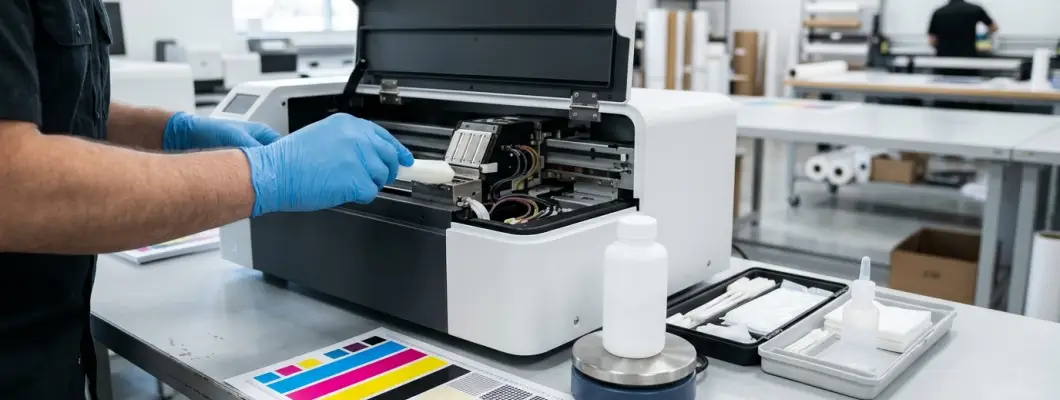
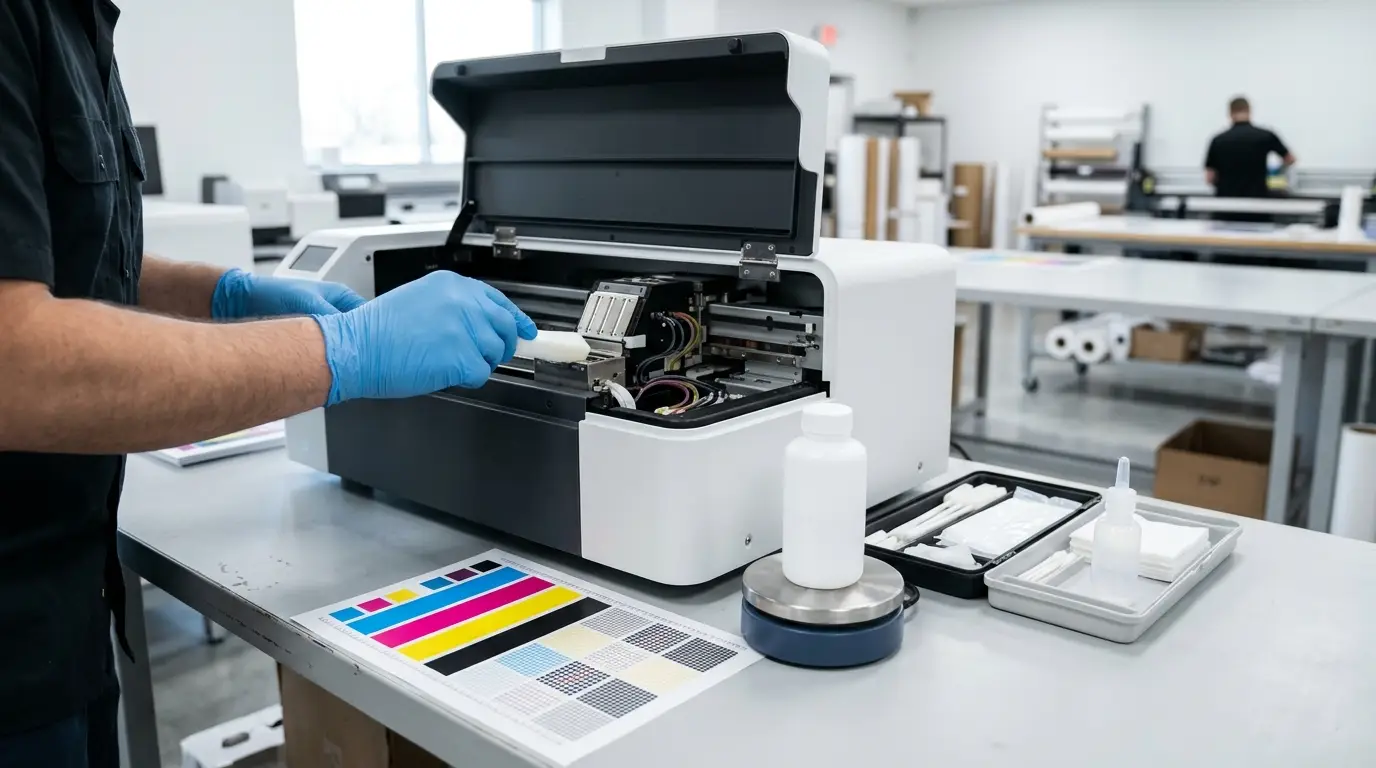
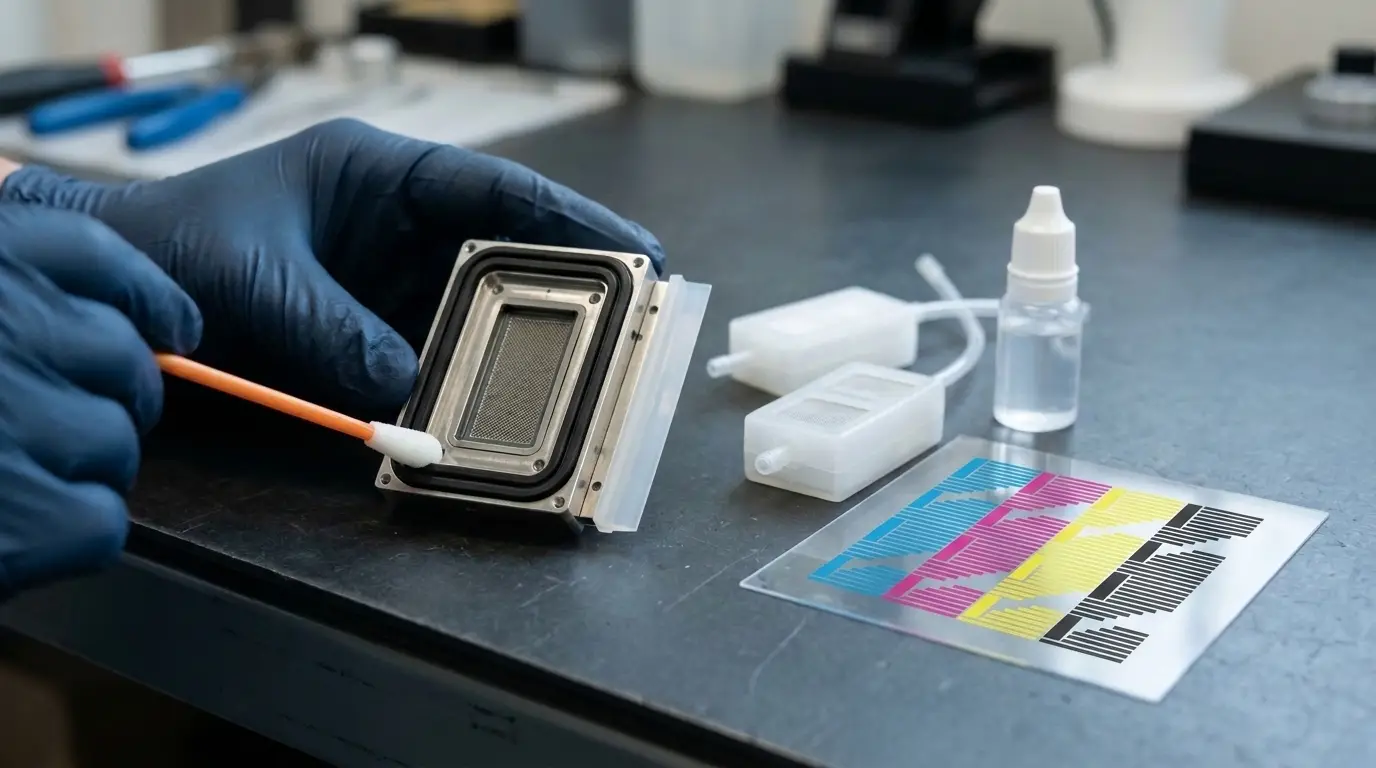
Before starting any checklist, stage a dedicated plastic tray beside your UV printer with five inexpensive supplies—and banish household solvents from the capping station:
- Dedicated Ester-Based UV Flushing Solution: Engineered to dissolve uncured UV acrylate monomers cleanly without attacking printhead manifold glue. NEVER put water, Windex, or rubbing alcohol (IPA) on a UV capping station or printhead—water and alcohol shock-precipitate UV oligomers into gummy cottage-cheese curds inside 3.5-picoliter nozzles! (Reserve 99% IPA strictly for wiping the encoder strip, flatbed table, and raw substrates.)
- Lint-Free Polyurethane Foam Swabs (Cleanroom Grade): Never use cotton Q-tips or paper tissues near printheads—stray cotton fibers snag on nozzle plates and wick UV ink across color channels.
- Black Opaque Syringes, Nitrile Gloves & White Lithium Rail Grease: UV monomers are mild skin sensitizers when wet, so always wear disposable nitrile gloves during maintenance.
2. The Daily 5-Minute Start-of-Shift & End-of-Shift Checklist
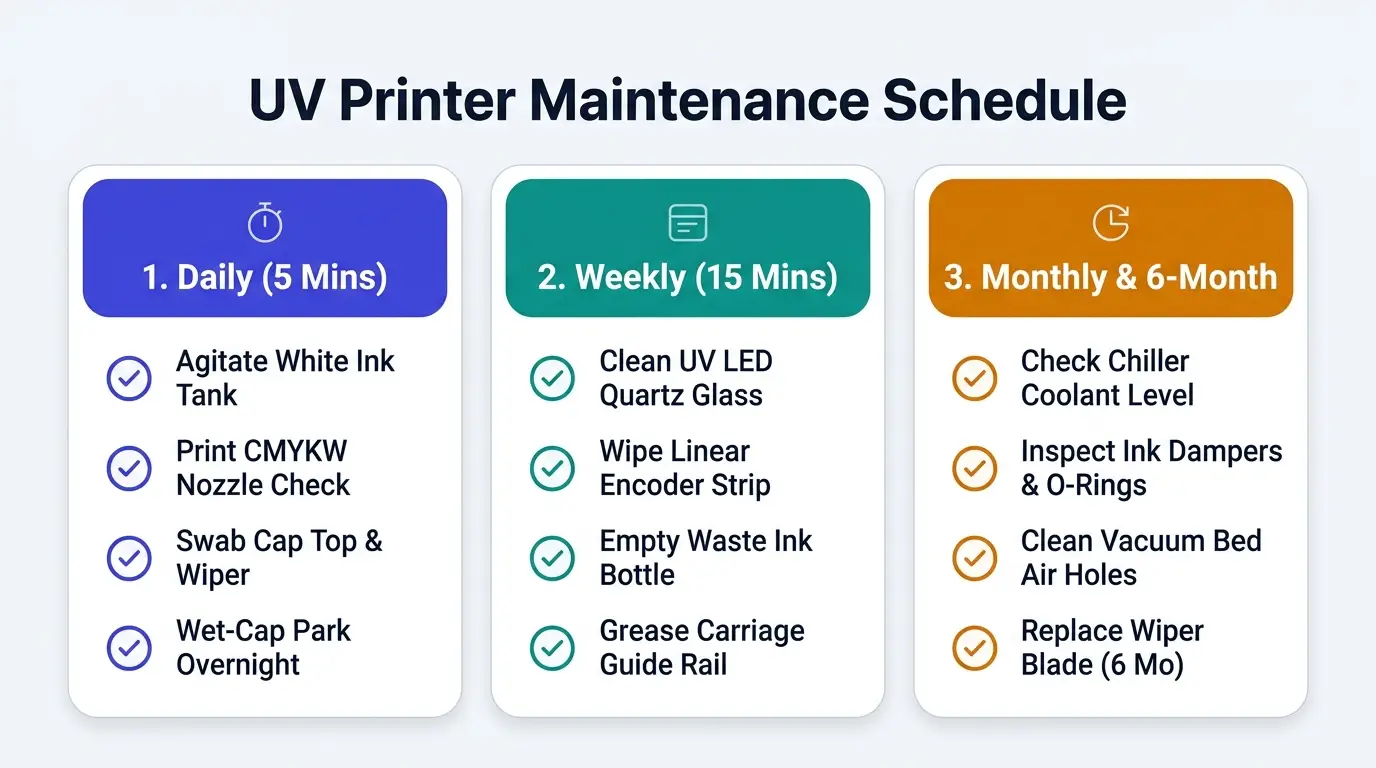
Even on days when you have zero customer orders to ship, execute these six quick daily habits (taking less than 5 minutes total):
1. Check Room Temp (20–28°C) & Humidity
Cold winter mornings (< 16°C) thicken UV ink viscosity, causing ink starvation mid-print; dry air (< 35% RH) triggers static misting on acrylic. Keep studio climate at 20°C–28°C and 45%–65% RH.
2. Verify White Ink Agitation & Circulation
Power on your GNFEI printer so the built-in white ink tank stirrer and peristaltic circulation loop homogenize heavy TiO2 white pigment for 60 seconds before pulling your morning head clean.
3. Print Morning Nozzle Check on Clear Film
Print a test strip on transparent PET film (holding it over dark paper to inspect White + Varnish channels, then white paper for CMYK). Run one light normal clean only if > 2 dashes are missing.
4. Swab Capping Station Lip & Wiper Blade
At shift end, dampen a foam swab with UV cleaning fluid and wipe gelled ink sludge off the rubber cap-top sealing lip and silicone wiper blade—an airtight cap seal prevents 90% of overnight clogs!
5. Swab Printhead Metal Skirt Perimeter
Gently swab accumulated ink mist from the stainless steel bezel around the printhead perimeter (never scrub across the delicate center nozzle orifices!) and around the carriage anti-crash plate.
6. Add 3 Drops of UV Cleaner & Park Home
Place 2–3 drops of UV moisturizing/cleaning fluid onto the cap-top sponge pad (without overflowing) and lock the carriage tightly over the home capping station with the UV cover closed.
3. Weekly (15 Mins) & Monthly (30 Mins) Preventive Maintenance
Weekly: Clean UV LED Lamp Quartz Window (Prevent Sticky Under-Cured Prints!)
During printing, microscopic UV ink mist bakes onto the underside of the UV LED lamp's quartz glass lens—blocking up to 40% of UV irradiance within two weeks and making prints come out tacky or easy to scratch! Power off the machine, moisten a lint-free cloth with UV cleaner or 99% alcohol, and polish the UV lamp quartz window crystal clear every Friday.
Weekly: Wipe Transparent Encoder Strip, Empty Waste Bottle & Grease Linear Rail
Dust or ink mist on the clear horizontal encoder ribbon causes ghosted double-vision text or sudden carriage position jumps: gently pinch it with a microfiber cloth lightly dampened with water or mild IPA (never aggressive UV solvent or acetone, which erases the black optical tick marks!). Empty your dark waste-ink bottle before it hits 75% full, and dab a pea-sized film of white lithium grease along the Hiwin steel linear guide rail.
Monthly: Check Water-Chiller Coolant, Flush Pump Tubes & Inspect Dampers
Top up the UV LED water-cooling reservoir with distilled water (or automotive glycol antifreeze mix in cold climates so cooling blocks never freeze), drip 5 ml of UV cleaning fluid through the capping station while running a pump cycle so peristaltic drain tubes never gum up, check ink bottle expiration dates, and inspect White ink dampers every 3–6 months for sediment buildup.
4. Consumable Replacement Lifespan & Holiday Vacation Storage Table
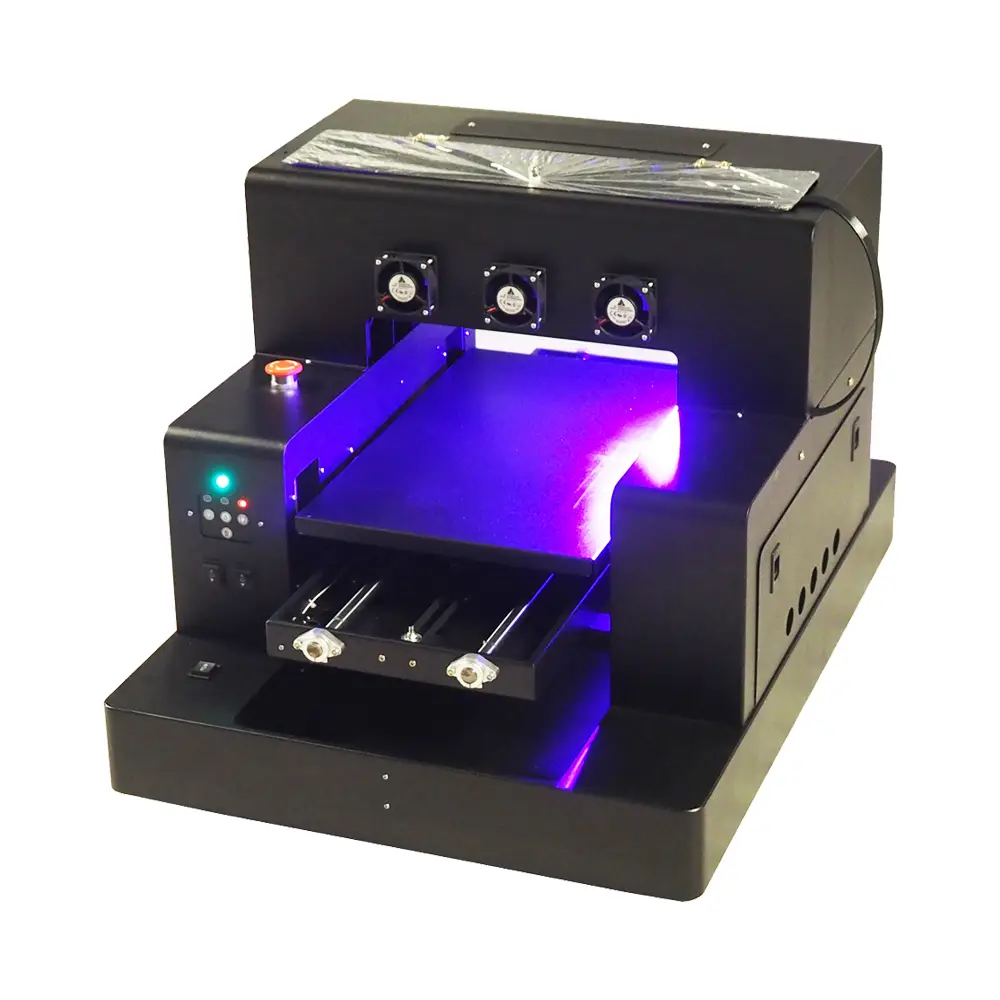
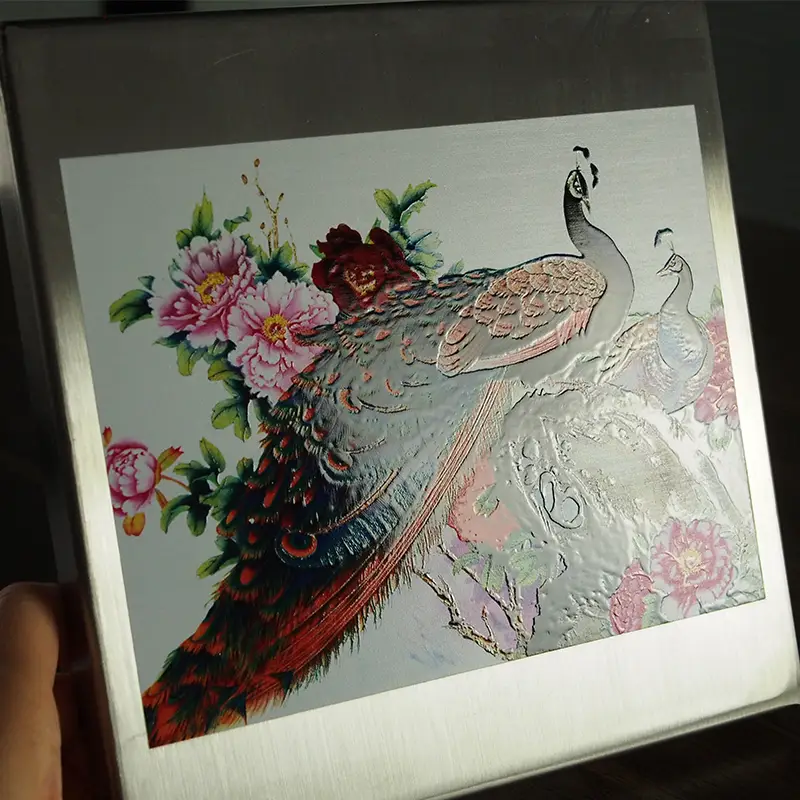
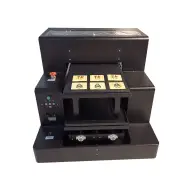
GNFEI F85V3 A3 Spot UV & Varnish Printer ($2,200)
Engineered from the ground up to minimize daily maintenance—combining active tank stirring, closed-loop white ink circulation, and precision metal-lift capping stations.
- Dual White Ink Protection: In-tank magnetic stirring + continuous tube circulation stop titanium dioxide settling before it reaches dampers
- Precision Lift Moisturizing Cap Station: Vertical straight-lift rubber sealing lip parks airtight without scraping nozzle plates sideways
- 1-on-1 Lifetime GNFEI Video Tech Support: Includes step-by-step video maintenance manuals and affordable factory spare parts
Frequently Asked Questions (FAQ)
Want Low-Maintenance UV Hardware With Lifetime Engineer Support?
Compare GNFEI A4, A3, and 4060 UV flatbed printers equipped with automated white circulation, moisturizing cap stations, and 1-on-1 remote onboarding.