Automated DTF systems accelerating productivity with integrated curing and powder management

Automated DTF Systems Accelerating Productivity with Integrated Curing and Powder Management
In the rapidly evolving world of textile printing, efficiency and quality are more critical than ever. Direct-to-film (DTF) technology has emerged as a game-changer, enabling printers to produce vibrant, durable designs with remarkable ease. As the demand grows, so does the need for more advanced, automated solutions that streamline the entire printing process. Automated DTF systems, especially those with integrated curing and powder management, are redefining industry standards by enhancing productivity, reducing manual labor, and ensuring consistent high-quality output.
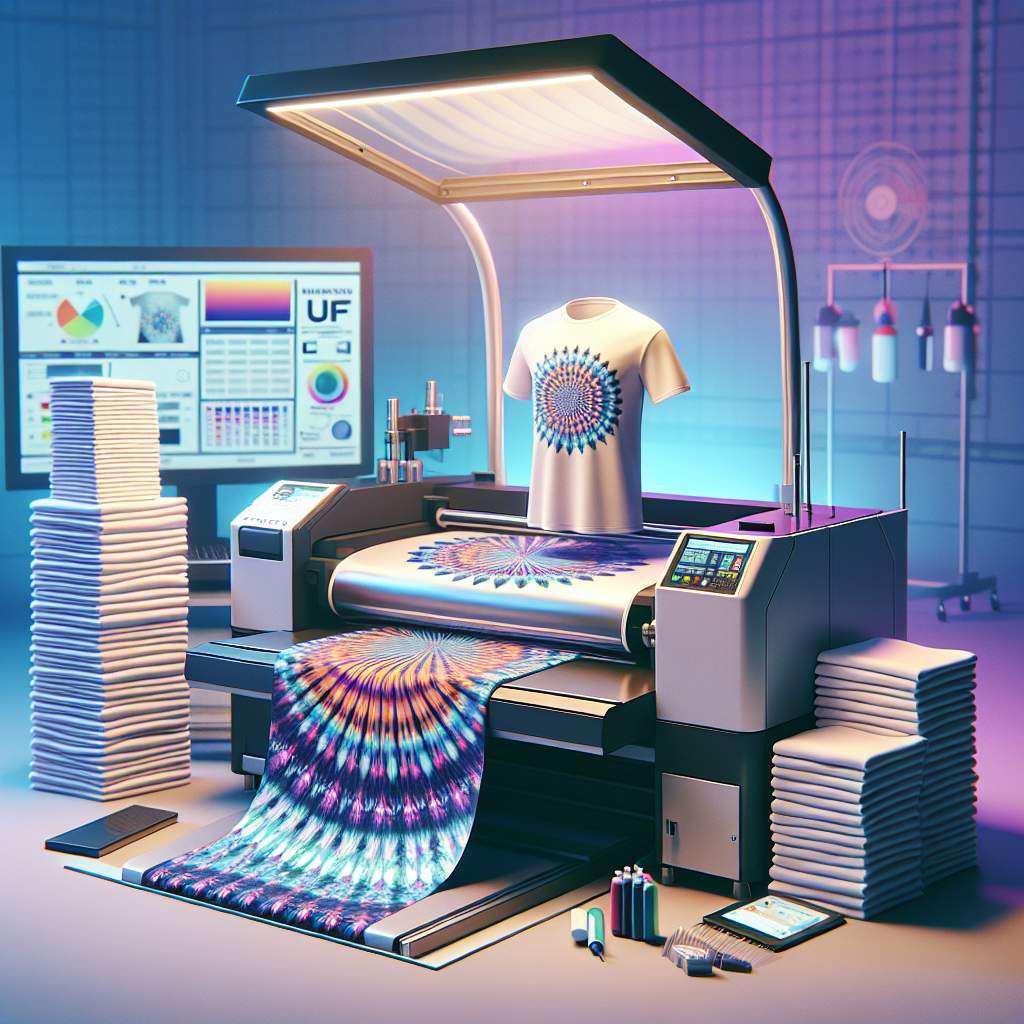
Traditional DTF printing often involves multiple manual steps, from applying the printing film to curing and powdering, each susceptible to human error and inefficiency. These manual interventions not only slow down production but can also lead to inconsistencies, affecting dye adhesion, durability, and overall customer satisfaction. Automated DTF systems address these challenges by integrating essential functions into a seamless workflow, allowing businesses to scale operations efficiently while maintaining top-tier quality.
The Power of Automation in DTF Printing
Automation is transforming industries, and textile printing is no exception. Modern automated DTF systems come equipped with intelligent features that handle complex tasks such as precise powder application, curing, and even film handling — all coordinated through sophisticated software. This integration significantly accelerates production speeds, enabling printers to deliver larger volumes within shorter timeframes. Besides, automation reduces dependency on skilled labor, cutting down training costs and minimizing the risks of human error.
Integrated Curing for Consistent Results
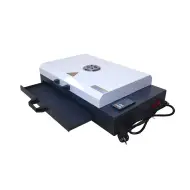
One of the standout features of advanced DTF systems is the integrated curing unit. Unlike traditional setups where curing is a separate, manual process, integrated curing ensures that each transfer is uniformly processed immediately after printing and powdering. This not only improves the adherence and durability of the prints but also streamlines the workflow by eliminating the need for additional equipment or manual handling. Precise temperature control and optimized curing times guarantee consistent results across batches, which is vital for commercial production where quality consistency can make or break customer trust.
Enhanced Powder Management for Superior Quality
Powder application in DTF printing is critical — too much powder can cause a hazy look, while too little affects durability. Automated powder management systems precisely control the quantity and uniformity of the powder layer, ensuring optimal adhesion and vibrant color, every single time. These systems often feature automatic recirculation and cleaning functions, reducing waste and minimizing downtime. Moreover, advanced sensors monitor powder levels and composition, alerting operators before issues arise, thus maintaining a smooth and uninterrupted workflow. Better powder management directly correlates with better quality outputs and higher profit margins for businesses.
Benefits of Choosing an Automated DTF System
- Increased productivity: Faster processing times with fewer manual interventions.
- Consistent quality: Precise control over curing and powder application ensures uniformity.
- Reduced labor costs: Automation minimizes reliance on highly skilled operators.
- Scalability: Easily expand production capacity to meet growing demand.
- Less waste: Intelligent powder and energy management cut down on material costs.
If you want to explore how automation can elevate your textile printing operations, consider the latest advancements like the A3 Roll DTF Printer T-shirt Printing Machine. This high-performance machine exemplifies integrated curing and powder management, bringing together speed, quality, and ease of use in a single platform. Investing in such innovative technology can yield rapid returns by expanding your production capabilities and reducing operational costs.
Implementing Automated DTF Solutions in Your Business
Transitioning to an automated DTF system involves careful planning. First, assess your current production volume and quality requirements. Next, select a system that offers the features you need, such as integrated curing, powder management, and user-friendly interfaces. Training staff on the new equipment ensures you maximize its potential from day one. Additionally, infrastructural upgrades may be necessary to accommodate new machinery, such as electrical enhancements or space reconfiguration. Partnering with reputable suppliers can provide support in installation, training, and troubleshooting, ensuring a smooth transition.
Future Trends in DTF Printing Technology
The future of DTF technology points toward even greater automation, smarter systems, and improved sustainability. Innovations such as AI-powered quality control, wireless connectivity, and eco-friendly materials are on the horizon. These advancements will further reduce waste, energy consumption, and production times, making DTF printing more accessible and more environmentally friendly. As consumer demand for custom textiles grows, automated DTF systems will become essential for small businesses and large manufacturers alike, providing the agility and consistency needed to stay competitive in a global marketplace.
Conclusion
Automated DTF systems with integrated curing and powder management are revolutionizing the textile printing industry. By streamlining workflows, ensuring consistent quality, and reducing manual labor, these advanced solutions empower businesses to meet increasing demand efficiently. Investing in such technology not only accelerates productivity but also enhances product durability and customer satisfaction. Whether you are a small startup or a large manufacturer, transitioning to automation is a strategic move towards a more profitable and sustainable future in textile printing. Discover more about cutting-edge equipment like the A3 Roll DTF Printer T-shirt Printing Machine and elevate your printing operations today.
Advanced Technical Insights & Application Analysis
Automated DTF systems with integrated curing and powder management represent a pivotal advancement in textile printing technology. By streamlining the DTF workflow management, these systems address challenges such as uneven powder application and inconsistent curing times, which have historically affected print durability and visual appeal. Through precise synchronization of each step, including automated film handling and temperature-regulated curing, businesses can achieve unparalleled consistency in both large-scale and custom production applications. Such innovations directly contribute to improved ink adhesion, ensuring vibrant, fade-resistant results that meet the demands of high-volume B2B clients.
A critical technical advantage of these automated systems lies in their ability to balance powder distribution with energy-efficient curing. Advanced sensors and recirculation mechanisms ensure a uniform application of powder, reducing waste while maximizing adhesive effectiveness. Moreover, automated curing guarantees optimized thermal exposure, enhancing the bond between ink and fabric substrates. These features are particularly significant in industries that require rapid turnaround times, such as custom T-shirt production, where scalable workflows and minimal rejection rates offer measurable ROI for both small businesses and large-scale operations.
Investing in a system like the A3 Roll DTF Printer not only modernizes production capacity but also future-proofs businesses against evolving market demands. From decreased dependency on skilled labor to enhancing operational sustainability, automated DTF technology provides an acute competitive edge in textile printing.
Frequently Asked Questions
- How does integrated curing improve productivity?
Integrated curing streamlines the workflow by eliminating manual interventions and ensuring consistent heat application immediately after printing and powdering. This reduces production times while enhancing print durability and quality.
- Can automated DTF systems handle complex designs?
Yes, modern automated systems are equipped with precise powder and curing mechanisms that ensure the quality and resolution of intricate patterns and vivid colors, even on high-volume runs.
- Is transitioning to an automated DTF system cost-effective?
Automated DTF technology reduces labor costs, minimizes material waste, and ensures high-quality outputs, providing a clear and rapid return on investment, particularly for businesses scaling their production.