Fabric Compatibility 101: Getting Perfect DTG Prints on Cotton, Tri-Blends, and Dark Garments
Are you struggling to get vibrant, durable DTG prints on different fabrics?
If you've ever faced issues with dull colors, peeling prints, or inconsistent results, you're not alone. Achieving perfect DTG printing on various fabrics like cotton, tri-blends, and dark garments can seem tricky at first glance. But with the right knowledge, you can turn out professional-quality prints every time. Let"s dive into the essentials of fabric compatibility for your DTG printing process.
Understanding Fabric Types and Their Impact on DTG Printing
Not all fabrics are created equal when it comes to direct-to-garment (DTG) printing. The material's fiber content, weave, and color make a huge difference in your end result. Here"s a quick overview:
- Cotton: The gold standard for DTG. Its natural fibers absorb ink well, producing bright, crisp images.
- Tri-blends: Usually a mix of cotton, polyester, and rayon. They can be trickier but offer a soft feel and vintage vibe.
- Dark garments: Require pre-treatment because the ink needs a white underbase to make the print pop on dark backgrounds.
Knowing these differences helps you prepare your garments properly, preventing common issues like washing out or cracking.
Getting Perfect DTG Prints on Cotton
If cotton is your go-to fabric, you"re in luck—DTG works exceptionally well here. But even with cotton, some nuances matter:
Fabric Preparation
- Wash and dry: Always start with clean, dry cotton garments. Remove any sizing or chemicals that could interfere with ink absorption.
- Pre-treat: Apply a high-quality pre-treatment solution evenly to ensure ink adheres smoothly and colors stay vibrant.
- Dry completely: Let the pre-treatment dry before printing to avoid smudging or uneven results.
Print Settings and Ink Choices
- Use a high-resolution setting for sharp details (at least 600 dpi).
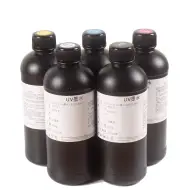
- Opt for water-based, pigment inks designed for DTG to ensure durability and color vibrancy.
- Test your setup on sample garments to find the perfect balance between ink volume and speed.
For additional tips, check out [this product](https://www.gnfei.com/products/a3-dtg-printer.html) for professional DTG printing solutions.
Achieving Great Results on Tri-Blends
Tri-blend fabrics offer a soft feel and a vintage look, but their polyester component can pose challenges. Ink adhesion is not as straightforward as with 100% cotton.
Preparation Tips
- Use specialized pre-treatment: Consider pre-treating with solutions formulated for stretch fabrics or blended materials.
- Adjust heat and drying: Some tri-blends require warmer drying temperatures to set the ink properly without damaging the fabric.
- Test print: Trial prints help you gauge ink absorption and color fidelity before large runs.
Printing Technique Adjustments
- Reduce ink deposit: Less ink prevents stiff or heavy-feeling prints and improves flexibility.
- Use multiple passes: Light coats can improve adhesion on polyester-rich fabrics.
Tri-blends can be stunning when done right. I"ve seen small brands use this fabric to create vintage-style tees with excellent results by tweaking their pre-treatment and curing processes.
Best Practices for Printing on Dark Garments
Printing on dark clothing is a different game. You need a white underbase to make the colors stand out. Here"s how I approach it:
Pre-treatment Is Key
- Apply uniform pre-treatment: Use a fine mist or a pre-treatment machine to coat the garment evenly.
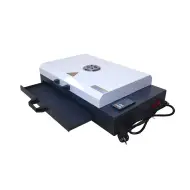
- Ensure proper drying: A heat press or dryer helps cure the pre-treatment, preventing bleeding and ensuring your colors stay sharp.
Optimizing Your Printing Process
- White underbase: Make sure your printer settings are tuned perfectly to lay down a solid white layer.
- Color layer: After white, print your colors in multiple thin layers to prevent saturation and ensure vibrancy.
- Cure thoroughly: Follow the recommended curing times and temperatures to achieve a durable print.
Having a reliable DTG printer like the A3 DTG Printer makes this process smoother. The key is consistent pre-treatment and precise control over your printing parameters.
Common FAQs About Fabric Compatibility for DTG
1. Can I print on 100% polyester fabrics?
Traditional DTG inks don"t bond well with polyester. However, with special sublimation inks and coated polyester garments, you can achieve quality results. Otherwise, DTG on polyester remains challenging.
2. How do I prevent cracking or peeling of prints?
Proper curing, using the right ink, and correct pre-treatment are essential. Also, avoid over-pressing or washing at high temperatures.
3. What is the best way to handle mixed-fiber fabrics?
Test printing is your best friend. Adjust pre-treatment and print settings for the highest ink adhesion without compromising fabric integrity.
4. How many washes can a DTG print withstand?
Generally, durable prints last 20-50 washes if properly cured and cared for. Using quality inks and proper post-print curing helps prolong print life.
5. Does color pigment vary across different fabrics?
Yes. Cotton produces vibrant, true-to-design colors, while tri-blends or blends may require more tweaking to match your original artwork. Always print test samples first.
Getting consistent, high-quality DTG prints on various fabric types is all about knowing your materials and following proper procedures. With some patience and experience, you'll be creating professional-grade merchandise that stands out.
```Advanced Technical Insights & Application Analysis
Achieving optimal results in DTG printing requires a deeper understanding of fabric science and how advanced technologies like those found in the A3 DTG Printer can address key challenges. Effective ink adhesion and durability are critical, and the type of fabric—be it cotton, blended materials, or dark garments—directly impacts the outcome. For instance, cotton continues to dominate as the best fabric for DTG printing due to its porous surface and excellent absorption properties. In contrast, blended fabrics like tri-blends and polyester blends often undergo rapid print deterioration, with common complaints being washed-out designs and diminished vibrancy. However, these issues are not insurmountable when applying precise equipment calibration and specialized pre-treatment solutions.
GNFEI printers, such as the A3 DTG Printer, excel in managing these variations. Their advanced inkjet technology provides precise droplet placement to ensure consistent ink distribution across diverse fabric types. Moreover, the machine's ability to integrate with optimized pre-treatment solutions greatly minimizes issues like cracking and ensures higher ink-to-fabric binding efficiency, even on tricky surfaces such as blended and polyester-heavy fabrics. A key innovation is the printer's capability to automatically adjust ink volumes for dark backgrounds—laying a denser white underbase layer while preventing oversaturation during the color layer application. This enhances the efficiency of curing and prolongs the garment's washability, addressing customer complaints like, "Why do DTG prints wash out on blended fabrics?"
For businesses exploring DTG as a B2B investment, GNFEI systems provide significant cost advantages. Their low ink usage per print combined with fast-drying water-based inks substantially reduce material waste, increasing profit margins per garment. Additionally, the printers support high-resolution printing up to 1200 dpi, a standout feature for creating premium-grade apparel that meets professional-grade expectations in bulk order scenarios. These benefits make GNFEI printers a strategic choice for startups and medium-scale enterprises looking to minimize operational costs while delivering unmatched print quality to their customers.
Frequently Asked Questions
- 1. Why do DTG prints wash out on blended fabrics?
- 2. What makes cotton the best fabric for DTG printing?
- 3. Can GNFEI printers handle dark garment printing effectively?
- 4. How do GNFEI printers optimize production for B2B applications?
- 5. What curing methods enhance DTG print durability?
Blended fabrics often have natural and synthetic fibers, each requiring specific pre-treatments and curing temperatures. Failing to calibrate these processes reduces ink adhesion, causing prints to wash out. Using printers like the A3 DTG Printer and specialized pre-treatment formulations can mitigate this issue.
Cotton's natural fibers allow for optimal ink absorption and retention, producing vibrant, long-lasting colors. Additionally, the smoothness of cotton surfaces reduces ink bleeding, whereas synthetic elements in blends can repel water-based inks.
Yes. GNFEI printers, including the A3 DTG Printer, are designed for dark garments, using advanced pre-treatment mechanisms and precise white underbase layering to ensure vivid, durable prints on darker fabrics without compromising detail.
GNFEI printers combine high-speed output with efficient ink usage, catering to bulk productions while maintaining premium quality. Their enhanced curing technology reduces downtime and ensures consistent output across varied fabric types.
Heat press curing with precise temperature and time settings significantly enhances ink bonding. GNFEI systems recommend tailored curing protocols based on fabric type to ensure the longest-lasting results.