Innovative Ways to Customise Your Phone Case with a Printer
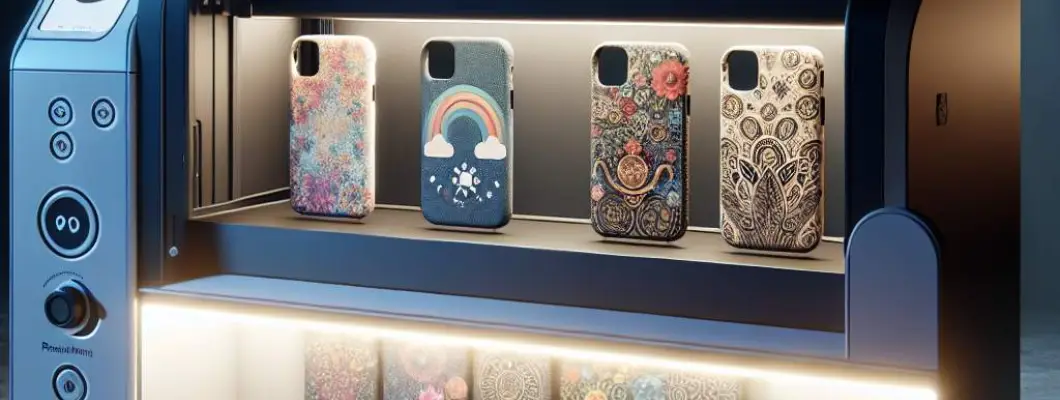
In today"s fast-paced digital world, personalisation has become the key to expressing individual style and creativity. One innovative device leading this trend is the phone case printer. This compact and versatile tool empowers users to design custom phone cases with vibrant images, slogans, or artwork, transforming a simple accessory into a true reflection of personality. Whether you're a small business owner looking to offer unique products or a DIY enthusiast wanting to add a personal touch to your devices, a phone case printer opens a whole new realm of possibilities.
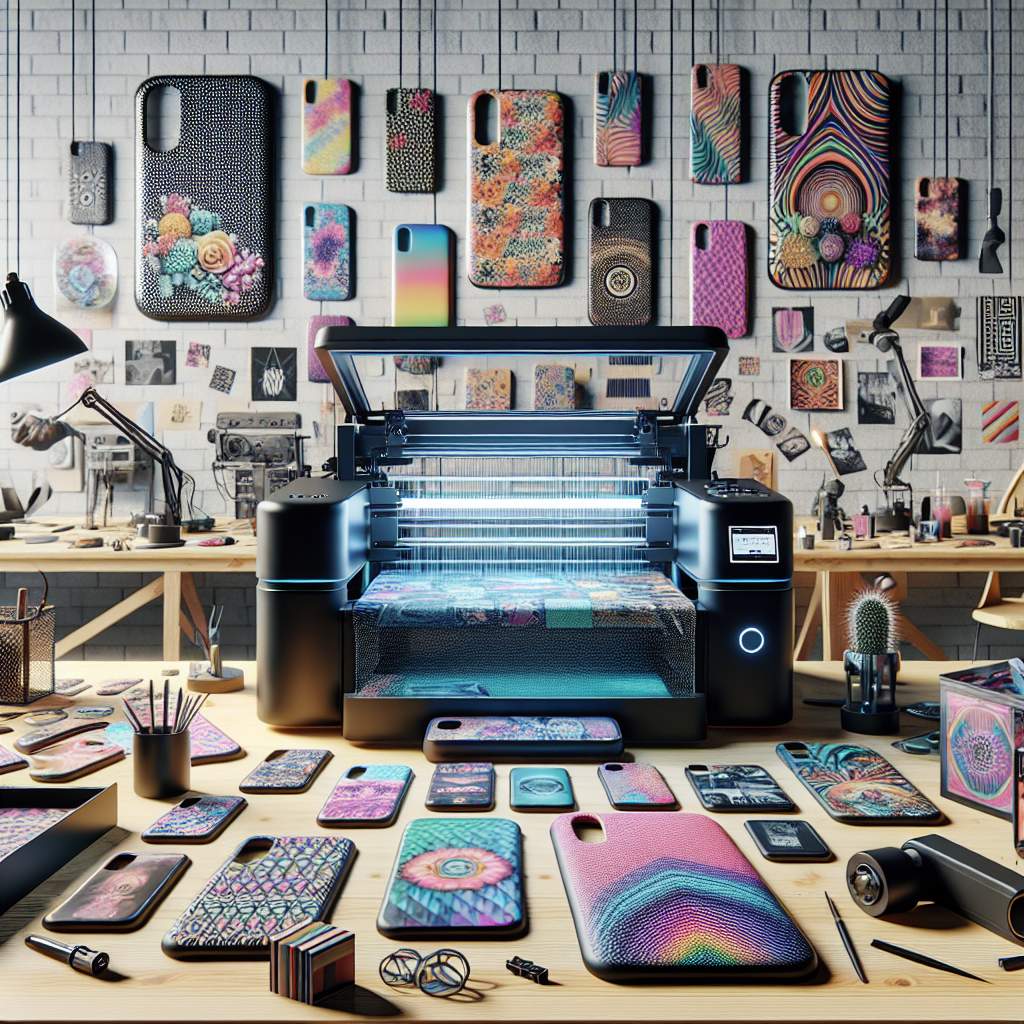
The concept of customising phone cases isn"t new, but traditional methods such as stickers, decals, or hand-painting often lack durability and precision. Enter the phone case printer, a modern solution that utilises advanced printing technology like UV printing or sublimation to achieve high-resolution, fade-resistant designs directly onto the case surface. This not only ensures longevity but also allows for intricate detail and a wide spectrum of colours. Imagine creating a personalised gift featuring a loved one"s photo or a company"s branding on high-quality phone cases to impress clients or friends—that"s the power of a phone case printer.
How Does a Phone Case Printer Work?
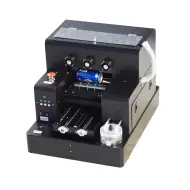
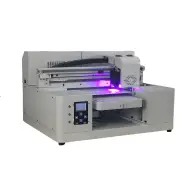
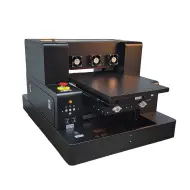
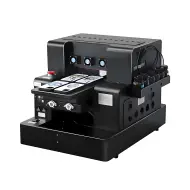
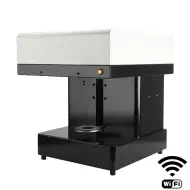
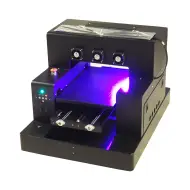
A phone case printer typically employs UV printing technology, which involves curing special UV inks with ultraviolet light to produce durable, scratch-resistant designs. The printer is designed specifically for curved surfaces and small items, enabling users to print directly onto phone cases made from various materials such as plastic, silicone, or leather. The process begins with designing the artwork on compatible software, followed by setting the case in the printer"s designated area. The machine then applies the ink in precise areas, layer by layer, creating vibrant, detailed images that adhere firmly to the surface. Many models support quick turnaround times, making it an ideal solution for on-demand customisation.
Advantages of Using a Phone Case Printer
- High-Quality Output: Achieve detailed, vivid images with professional-grade resolution, elevating your product offering or personal creations.
- Durability: UV-cured inks offer resistance against scratches, water, and UV fading, ensuring your designs last over time.
- Personalisation: Easily create one-off or small batch designs without the need for expensive moulds or templates.
- Cost-Effective: Reduce production costs by printing on demand, eliminating the need for inventory or excess materials.
- Versatility: Compatible with various case materials and sizes, providing flexibility for different project types.
Applications for Phone Case Printing
The scope of phone case printing extends far beyond personal use. Entrepreneurs and brands are leveraging this technology to expand their offerings and develop new revenue streams. For instance, gift shops can create customised cases for special occasions like birthdays, weddings, or holidays. Similarly, corporate entities might design branded cases as part of marketing campaigns or giveaways. Artists and designers find phone case printing an excellent medium for showcasing their work in wearable form. Moreover, it serves educational institutions and fundraising organisations seeking creative ways to engage communities through personalised merchandise. With the ability to produce small batches rapidly and affordably, phone case printers offer a competitive edge in the fast-growing personalised accessory market.
Choosing the Right Phone Case Printer
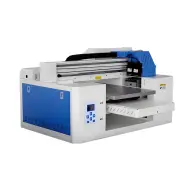
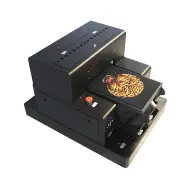
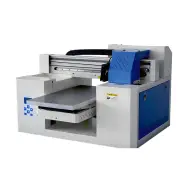
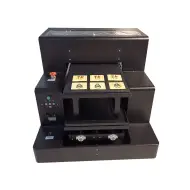
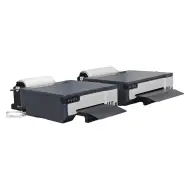
When selecting a phone case printer, consider factors such as printing technology, compatibility, ease of use, and budget. UV printers are popular due to their ability to print vividly on various materials and surfaces, but some models may offer additional features like automated bed movement or multi-colour options. Size and footprint are also important—ensure the machine fits your workspace. Additionally, check for user support, software compatibility, and ongoing maintenance requirements. For those new to printing or small-scale operations, compact, user-friendly models are ideal, while larger enterprises might opt for high-capacity, multifunctional machines. To explore options, visit this product page for more details.
Steps to Create Your Custom Phone Cases
- Design Preparation: Use graphic software to create or upload your artwork. Keep in mind the dimensions and resolution for best results.
- Material Selection: Choose a suitable phone case material—most printers support plastic, silicone, or leather cases.
- Setup: Place the case securely in the printer"s designated area, ensuring it is aligned properly.
- Printing: Send the design to the printer, select the appropriate print settings, and start the process.
- Post-Processing: Allow UV inks to cure fully before handling or assembling additional accessories.
- Final Inspection: Check for print quality and durability, then package or distribute your customised case.
As simple as these steps are, mastering them can elevate your creative projects to a professional level. With practice, the process becomes quicker, enabling rapid turnaround for personalised orders or promotional items. Whether you"re printing for personal enjoyment or building a business, a phone case printer offers unmatched flexibility and quality.
Conclusion: Embrace the Future of Personalised Accessories
Integrating a phone case printer into your workflow means unlocking a world of creative freedom. It empowers you to turn ordinary phone cases into extraordinary items that capture attention and express identity. The durability and high quality of UV printing ensure that your designs stand up to daily use, while the on-demand capabilities minimise waste and inventory costs. For entrepreneurs, artists, or tech enthusiasts, investing in a phone case printer is a strategic move towards innovation and consumer appeal. As personalisation continues to dominate consumer preferences, embracing this technology positions you well ahead of the curve. Start exploring your options today and discover how a phone case printer can transform your approach to customised smartphone accessories.
Advanced Technical Insights & Application Analysis
One of the standout features of a phone case printer is its ability to achieve superior ink adhesion across various materials, including silicone, plastic, and synthetic leather. Leveraging UV curing technology, the printer ensures that the ink chemically bonds with the surface, providing exceptional resistance to abrasions, fading, and environmental factors such as humidity or sunlight. This creates long-lasting, visually striking designs that retain their vibrancy over time—an essential advantage for both personal and commercial use. Additionally, the precision of UV printing allows intricate details, gradients, and micro-textures to come to life, expanding the creative possibilities for customisation.
Another critical technical highlight is the efficiency of UV curing lamps integrated into phone case printers. These lamps deliver quick polymerisation, reducing production time without compromising on quality. From a business perspective, the rapid curing process leads to faster project turnaround and decreased labour costs, thereby maximising return on investment (ROI). Moreover, modern models are equipped with adjustable curing intensity for complex designs, allowing users to print on phone case surfaces with varying thicknesses or finishes. This versatility further enhances the printer's appeal in competitive markets, especially for B2B enterprises catering to promotional goods or personalised merchandise.
For entrepreneurs, the scalability aspect of phone case printers cannot be overlooked. With features like batch printing and material compatibility, these devices are tailor-made for digital small-batch manufacturing. Businesses can seamlessly transition between orders, accommodating diverse client needs ranging from personalised prints for individual customers to uniform branding for large corporations. This adaptability ensures that phone case printing is not only cost-efficient but also an invaluable asset for companies aiming to innovate their product portfolio in a rapidly changing consumer landscape.
Frequently Asked Questions
- What materials can I print on using a phone case printer? Phone case printers are compatible with a variety of materials, including plastic, silicone, metal, and synthetic leather. UV technology ensures the ink adheres firmly and provides a durable finish.
- How does UV curing enhance print quality? UV curing polymerises the ink layers instantly, resulting in vivid, scratch-resistant designs. This process also ensures that colours remain vibrant even after extended exposure to sunlight and moisture.
- What is the average production time for a custom printed phone case? Production time varies depending on printer specifications and design complexity but typically ranges from 3 to 7 minutes per case, allowing for rapid order fulfilment.
- Are phone case printers suitable for bulk production? Yes, many modern printers offer batch printing capabilities, enabling businesses to handle bulk production efficiently without sacrificing design quality or consistency.
- What software is required for designing phone cases? Most phone case printers are compatible with industry-standard graphic design software such as Adobe Photoshop or CorelDRAW, ensuring seamless design integration.