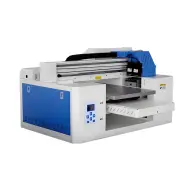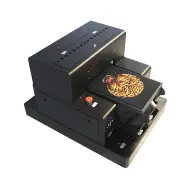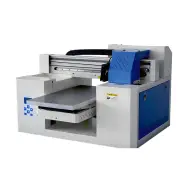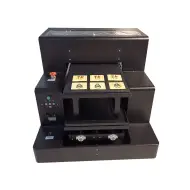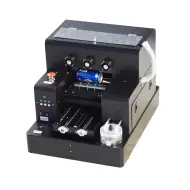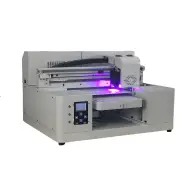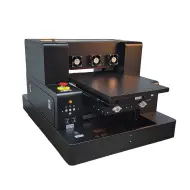
Rise of LED-UV curing technology makes uv printer safer, faster and ideal for multi-material printing
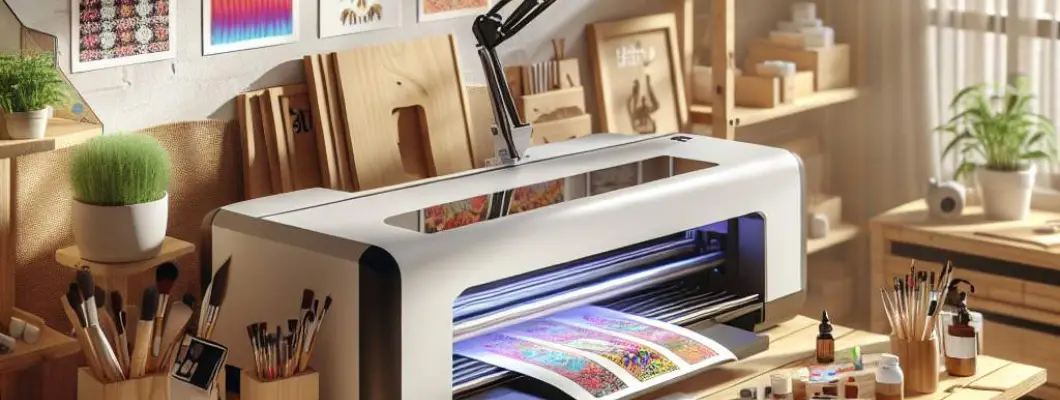
Struggling to keep up with the latest in UV printing technology?
If you're involved in the printing industry, you"ve probably noticed how fast things are changing. The rise of LED-UV curing technology has been a game-changer. But what exactly makes it so revolutionary? And why should you care? Let"s break it down and see how this innovation is making UV printers safer, faster, and perfect for multi-material printing.
What is LED-UV Curing Technology?
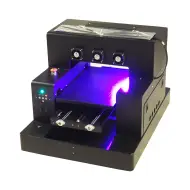
First, let's understand what LED-UV curing technology is. Basically, it"s a type of UV printing that uses LED lights to cure inks or coatings instantly. Unlike traditional UV lamps, LED-UV offers a lot of advantages that boost performance and safety.
- Energy-efficient — Consumes less power than traditional UV lamps.
- Faster curing times — Prints are ready almost immediately.
- Safer environment — Produces less heat and no harmful UV radiation.
- Environmentally friendly — Uses less energy and has a lower carbon footprint.
This tech has been around for a few years but is now reaching new heights with improvements in LED longevity and print quality. Think about it—no more waiting for inks to dry or worrying about safety hazards from UV exposure. That"s a win for everyone.
Why LED-UV Is Safer for Your Operations
Reducing Health Risks
Traditional UV printers emit UV light that, over time, can pose health risks if not properly managed. LED-UV systems emit much less UV radiation, making the work environment safer. Plus, they generate less heat during operation, which reduces the risk of burns or damage to sensitive substrates.
Minimizing Environmental Impact
Plus, LED-UV curing uses less energy and produces fewer harmful emissions. For businesses aiming to go green, this is a no-brainer. Lower energy costs, healthier workspace, and eco-friendly operation—what"s not to love?
How Speed Boosts Business Efficiency
Instant Curing Means Faster Turnaround
Imagine printing a batch of promotional signs. With traditional UV inks, you might wait hours for the ink to dry. Not anymore. LED-UV cures the ink instantly, so you can move from printing to finishing immediately. This dramatically reduces lead times, allowing you to take on more jobs and increase revenue.
Higher Productivity, Less Downtime
LED-UV printers adjust quickly to different jobs. They require less maintenance and have a longer lifespan, meaning less downtime and more consistent output. For example, I recently spoke with a print shop that switched to LED-UV, and they doubled their daily production without extra staff. That"s the kind of efficiency growth LED-UV makes possible.
Perfect for Multi-Material Printing
Versatility You Can Trust
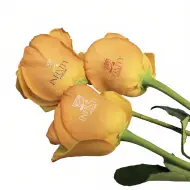
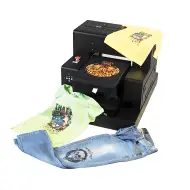
One of the biggest advantages of LED-UV curing is its ability to print on multiple materials—metals, plastics, wood, glass, and even textiles. The instant curing ensures adhesion, vibrant colors, and high detail on diverse surfaces. It"s like having one machine that does the work of many.
For example, a client recently used a LED-UV printer to produce customized packaging on cardboard, acrylic displays, and even metal plaques. All with perfect results—quick turnaround, no mess, and no need for multiple machines.
Minimal Material Restrictions
LED-UV inks also have fewer restrictions regarding substrate absorption or surface texture. That means less prep work and more flexibility in design. Whether it"s a delicate glass ornament or a heavy-duty plastic panel, LED-UV printers handle it with ease.
Why This Matters for Your Business
If you're looking to improve safety, speed, and versatility, LED-UV curing technology is the way forward. It offers a clear edge over traditional UV systems, especially for businesses that want to stay competitive and eco-friendly.
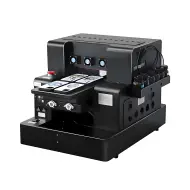
To see the benefits firsthand, you might consider exploring solutions like the Spot UV Printing Machine - Glossy UV Coating Printer. It uses LED-UV technology and can elevate your print quality while reducing operational risks.
Frequently Asked Questions
1. Is LED-UV printing more expensive than traditional UV?
Initial costs might be higher, but the long-term savings in energy, maintenance, and productivity usually outweigh those costs.
2. Can I print on irregular surfaces with LED-UV printers?
Yes. The instant curing and flexibility of LED-UV inks make printing on complex and uneven surfaces feasible.
3. How long do LED-UV inks last?
They are very durable, with good resistance to scratches, UV fading, and chemical exposure. Properly applied, they last for years without deterioration.
4. Are LED-UV printers easy to operate?
Most modern LED-UV printers are user-friendly with intuitive interfaces and require minimal training, making them suitable for businesses of any size.
5. What substrates work best with LED-UV printing?
Almost all—metal, glass, plastic, wood, textiles. The versatility allows you to expand your product line and meet diverse customer needs.
Thinking about upgrading? LED-UV curing is no longer just an option; it"s becoming a necessity for competitive, safe, and faster printing. It"s worth exploring if you want to stay ahead in the industry.