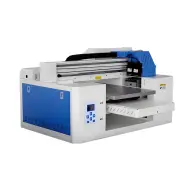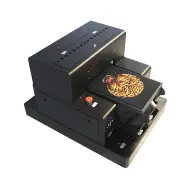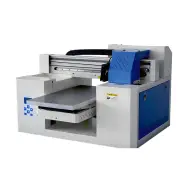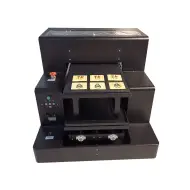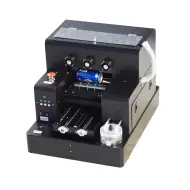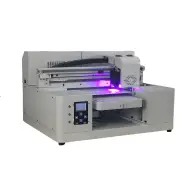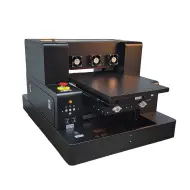
Short-run packaging and label producers embracing UV printer to meet tight turnaround deadlines
Are You Struggling to Keep Up with Tight Deadlines in Packaging and Label Printing?
If you're involved in short-run packaging or label production, chances are you've faced the pressure of meeting quick turnaround times. Customers demand faster deliveries, and competition is fierce. So, how can you stay ahead and deliver top-quality products without sacrificing speed? The answer lies in embracing innovative printing technology, specifically UV printers. Want to know how this can revolutionize your workflow? Keep reading.
Why Short-Run Packaging and Labels Need a Rapid Turnaround
Today's market is more dynamic than ever. Brands want customized, eye-catching packaging that stands out on shelves but need it fast. Small runs, personalized labels, or limited editions are common now. Traditional printing methods often slow down your process, making it tough to meet tight deadlines.
Picture this: a client comes in needing a last-minute batch of labels for a product launch. Waiting weeks isn"t an option—they need it yesterday. This is where flexible, fast printing solutions make all the difference.
The Benefits of UV Printing for Short-Run Production
Fast Curing and Immediate Processing
Unlike traditional inks, UV inks cure instantly under ultraviolet light. This means you can print, cut, or finish right away, cutting down production times drastically. No more waiting for inks to dry or smudge — just quick, crisp results.
High-Quality, Vibrant Results
UV printers produce sharp images with vivid colors and a glossy finish. Your labels and packaging will look premium, catching the eye of consumers. It"s perfect for small batches where every detail counts.
Cost-Effective for Short Runs
Traditional setups require expensive plates or screens, which aren"t practical for low quantities. UV digital printers eliminate those costs, making short runs more affordable and accessible. Plus, you can change designs on the fly without extra setup charges.
Versatility and Material Compatibility
UV printers can handle a wide range of materials—paper, plastic, film, even textured surfaces. This flexibility allows you to diversify your product offerings without investing in multiple machines.
How UV Printers Are Changing the Game for Small and Medium Enterprises
Many businesses I talk to are adopting UV printers to stay competitive. For example, a local label producer told me how upgrading to a UV printer helped them meet a last-minute order for a boutique cosmetics brand. They delivered a high-quality product within a day, impressing their customer and winning repeat business.
Tap into the benefits of UV printing and see your turnaround times shrink while quality stays top-notch. It"s a game-changer for small teams trying to compete with larger players.
Choosing the Right UV Printer for Your Business
If you're considering investing in UV printing technology, here are some tips:
- Evaluate your volume needs: Do you require high-speed, high-volume printing, or is flexibility more important?
- Material compatibility: Make sure the printer supports your preferred substrates.
- Resolution and quality: For sharp, detailed labels, check the printing resolution.
- Ease of use and maintenance: Opt for a machine that's user-friendly and reliable.
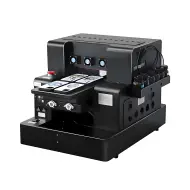
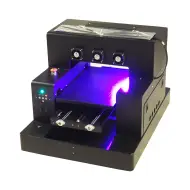
To explore a top-tier option, check out the Spot UV Printing Machine. It offers glossy UV coating that adds that extra pop to your labels and packaging.
Case Study: From Batch Delays to Instant Turnarounds
Let me share a quick story. A friend runs a small packaging shop. They used to struggle with long print times and limited flexibility. After upgrading to a UV printer, they managed to cut their turnaround from a week to just a couple of days. Now, they handle custom jobs on demand, impressing clients with their speed and quality.
This is the future for many packaging producers. With UV printers, you"re not just keeping up—you"re setting the pace.
Frequently Asked Questions (FAQs)
1. How does UV printing compare to traditional offset or flexo printing?
UV printing is digital, so it requires less setup and is more cost-effective for short runs. It cures instantly, which speeds up production and allows for more customization.
2. Is UV printing suitable for all materials?
Most common substrates like paper, plastics, and laminated materials work well. However, some textured or heat-sensitive materials may need testing before full production.
3. What is the typical cost of a UV printer?
Prices vary based on size and features, but small to medium-sized models generally range from $20,000 to $100,000. Consider your production volume and future needs before investing.
4. Can UV printers handle variable data printing?
Yes, most UV digital printers support variable data, making them ideal for personalized labels or packaging.
5. What maintenance is required for UV printers?
Regular cleaning and occasional checks of the UV lamp and ink delivery system are necessary. Many modern machines have automated cleaning features to minimize downtime.
By embracing UV printing technology, especially for short-run jobs, you equip your business to meet demanding deadlines with confidence and premium quality. Ready to upgrade? Check out the Spot UV Printing Machine and start transforming your workflow today.