Sustainability and VOC-reduction regulations pushing brands to replace solvent printers with UV printer alternatives
Are You Struggling to Keep Up with Eco-Friendly Printing Trends?
Everyone in the printing industry is feeling the pressure these days. Staying competitive means adopting sustainable practices, but what does that really entail? If you"ve been concerned about VOC emissions and environmental impact, you"re not alone. More brands now recognize that switching from traditional solvent printers to UV printers isn"t just a trend—it's a necessity. It"s like talking with a friend who finally decided to go green after realizing how much waste and toxins their old equipment produced .
Understanding the Push for Sustainability in Printing
What Are VOCs and Why Are They a Problem?
VOCs, or volatile organic compounds, are chemicals released into the air from solvents used in conventional printing inks. These emissions aren"t just bad for the environment—they can also harm workers' health. Many countries have introduced strict regulations to limit VOC emissions, especially in manufacturing zones. If you"re used to solvent-based printing, these restrictions can feel like a barrier. But they"re actually a catalyst for change.
Regulations Are Stepping Up
Across the globe, government agencies are tightening VOC emission standards. From California"s AQMD rules to European environmental directives, compliance is no longer optional. Brands that ignore these laws risk fines, legal actions, and a tarnished reputation. So, the smartest move? Transitioning to greener solutions like UV printing. It"s not just about avoiding penalties—it"s an investment in your business's future.
Why UV Printers Are the Answer
What Makes UV Printing Better?
- No VOC emissions: UV inks are cured instantly using UV light, eliminating harmful solvents.
- Eco-friendly: They produce less waste and do not emit toxic fumes.
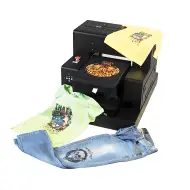
- Versatility: Print on a wide array of materials like glass, wood, metal, and plastic.
- Fast and efficient: Immediate curing means faster production cycles.
- High-quality output: Sharp images with vibrant colors that last.
Imagine chatting with a fellow printer. They switched to UV recently, and their workflow got smoother. No more worries about ventilation or hazardous waste disposal. Plus, their clients love the quality. That"s the kind of change everyone can appreciate .
Case Example: Transition Success
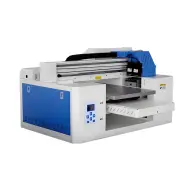
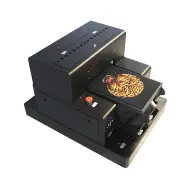
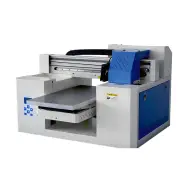
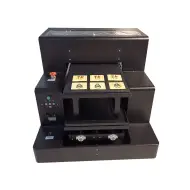
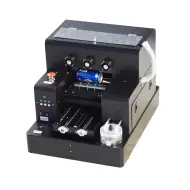
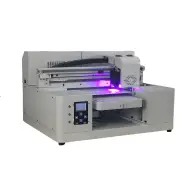
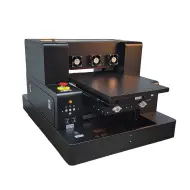
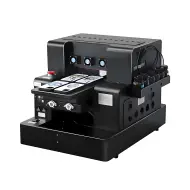
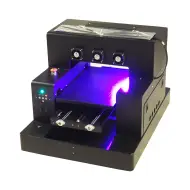
One small business I know took the plunge last year. They phased out solvent printers and replaced them with a UV printer like this Spot UV Printing Machine. The results? Compliance with local regulations, increased sales thanks to eco-friendly branding, and happier employees. They even gained new clients demanding sustainable practices.
How to Make the Switch Smoothly
Assess Your Needs
- Evaluate your current volume and quality requirements
- Identify the types of materials you frequently print on
- Look for UV printers that fit your budget and production goals
Plan Your Transition
- Determine whether to replace existing equipment or run them concurrently
- Train your staff on UV printing techniques
- Schedule maintenance and calibration for your new UV printers
Stay Compliant and Promote Sustainability
- Keep updated on local regulations
- Certify your environmental practices to boost your brand image
- Highlight your eco-friendly approach in marketing campaigns
Switching to UV printing isn"t just an upgrade—it's a strategic move to future-proof your business. Think about the benefits clearly: less pollution, happier staff, and a competitive edge in a sustainable market. Trust me, once you see the quality and efficiency, you"ll wonder why you didn"t do it sooner .
FAQs About Transitioning to UV Printing
- Will my existing materials work with UV printers? Most UV printers are highly versatile and can print on many substrates, including tricky plastics and metals. Just check compatibility before purchasing.
- Is there a steep learning curve? Not really. With proper training and user-friendly UV machines, your team can get up to speed quickly.
- Are UV printers more expensive? The initial investment is higher than solvent printers, but the reduced costs from no VOCs and faster production often offset this over time.
- How do I handle maintenance? UV printers require routine cleaning and UV lamp replacement but are generally low-maintenance.
- Can I still do specialty effects like spot UV? Absolutely! Many UV printers, including this Spot UV Printing Machine, support specialty coatings for premium finishes.
We"re entering an era where environmental responsibility and business agility go hand in hand. Transitioning from solvent to UV printers is more than a compliance move—it's a smart way to grow and stay ahead. If you"re curious about how a UV printer can fit into your workflow, check out this Spot UV Printing Machine.