The Best Fabrics and Garment Blanks for DTG Printing Success
The Best Fabrics and Garment Blanks for DTG Printing Success
Direct-to-Garment (DTG) printing has revolutionized the custom apparel industry, offering vibrant, detailed designs with unmatched flexibility. Whether you're a small business owner, a hobbyist, or a seasoned printer, choosing the right fabrics and garment blanks is crucial for achieving high-quality results. The fabric's properties directly impact the print's vibrancy, durability, and overall appearance, ensuring your finished products stand out in a crowded marketplace. When selecting materials for DTG printing, factors like fabric composition, weight, and surface texture should be top considerations to maximize print quality and customer satisfaction.
Why Fabric Choice Matters in DTG Printing
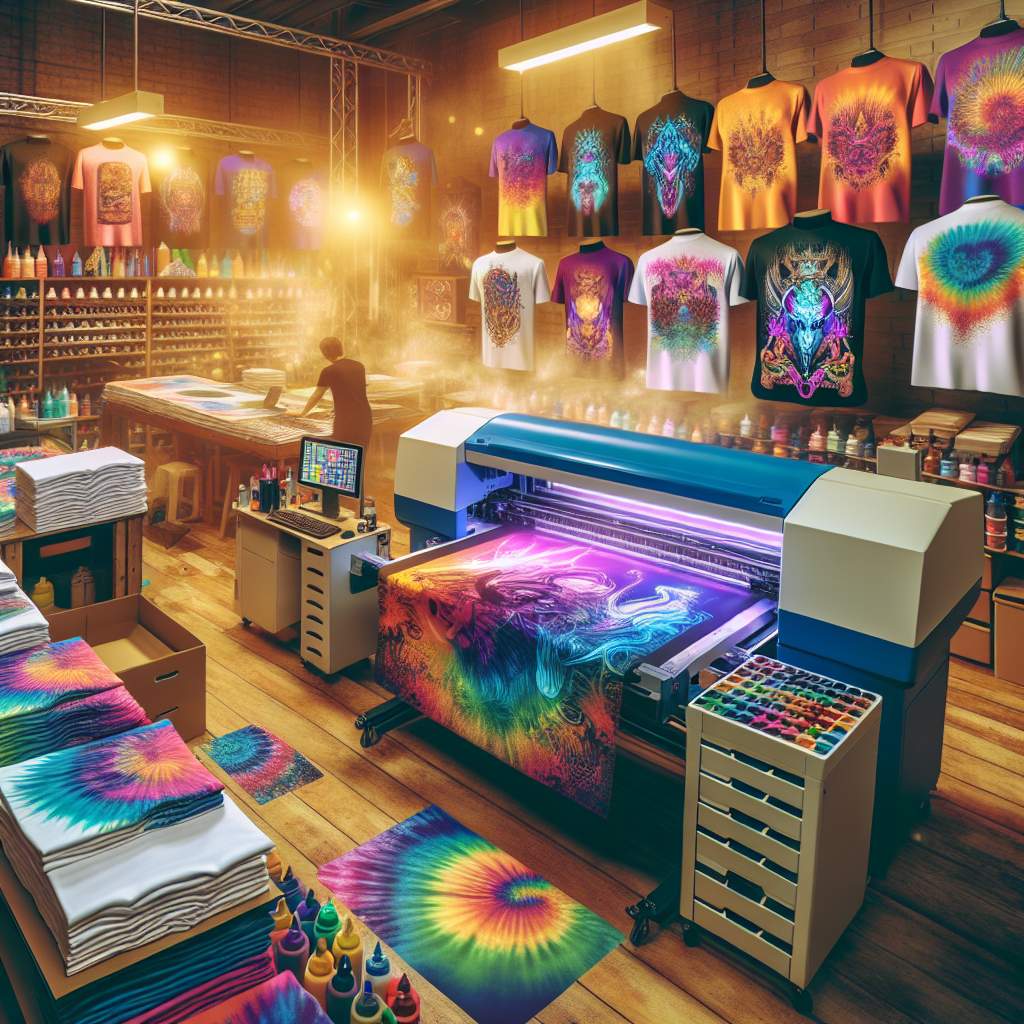
Not all fabrics are created equal when it comes to DTG printing. The ideal fabric should absorb ink well, produce vibrant colors, and withstand multiple washes without fading or cracking. Cotton remains the gold standard for DTG, thanks to its natural fibers that absorb ink effectively and produce sharp, vivid images. However, blends that incorporate polyester or other synthetic fibers can be used to achieve different effects or enhance durability, but they may require specific pretreatments or printer adjustments. Choosing the right fabric ensures your designs look professional and last longer, reducing reprints and waste.
Top Fabrics for DTG Printing
100% Cotton
When it comes to DTG printing, 100% cotton garments are unparalleled in delivering quality results. Cotton's natural fiber provides excellent ink absorption, resulting in vibrant colors and sharp details. Apparel made from high-quality cotton, such as ring-spun or combed cotton, further enhances the print's appearance by offering a smooth surface and minimal pilling. Garments like cotton t-shirts, hoodies, and tote bags are popular choices among printers seeking long-lasting, professional results. The soft texture and breathability of cotton also appeal to consumers, making it a versatile and reliable option for custom apparel.
Blended Fabrics
Blended fabrics, such as cotton-polyester blends, offer a balance between print quality and durability. These fabrics tend to dry faster and resist wrinkling better than pure cotton, which is advantageous in production and retail settings. However, they pose some challenges for DTG printing, such as slightly less vibrant color absorption. To optimize results, using high-quality blends with a higher percentage of cotton (around 60-70%) and applying proper pretreatment can help produce satisfactory prints. Ideal for athletic apparel and casual wear, blends expand your options for creating diverse garment collections.
Choosing the Right Garment Blanks
Selection of garment blanks is equally critical for DTG success. Quality blanks ensure that your prints adhere well, don"t bleed, and maintain their appearance through washing cycles. Look for blanks made from high-grade, pre-shrunk fabrics with consistent texture and color. For example, blank t-shirts from trusted brands often undergo pre-treatment processes that improve ink adhesion and color vibrancy. Additionally, consider the weight (measured in gsm) of the garment; lighter fabrics (around 180-190 gsm) are breathable and comfortable, ideal for casual wear, while heavier fabrics (around 220-280 gsm) offer a more premium feel and durability.
Pre-treatment and Fabric Compatibility
Proper pretreatment of garments is vital for achieving crisp, vibrant prints. Most DTG printers require a special pretreatment liquid to be evenly applied to the fabric surface, ensuring the ink adheres well and produces rich colors. Cotton fabrics generally need less pretreatment, but blends or darker-colored garments often require additional steps or specific treatments. Selecting fabrics labeled as "DTG compatible" or "pre-treated" can save you time and improve your results significantly. Always test different fabrics to identify the best options for your printing process, and consult with your supplier or printer manufacturer for recommended pretreatment procedures.
Benefits of Quality Garment Blanks and Fabrics
- Enhanced Image Quality: Superior fabrics absorb ink evenly and produce vibrant, detailed images.
- Better Durability: Quality garments retain their print quality after multiple washes.
- Customer Satisfaction: Well-chosen fabrics provide comfortable, premium-feel apparel that customers love.
- Reduced Waste: High-quality blanks minimize reprints caused by poor print adhesion or fabric defects.
- Brand Consistency: Consistent fabric quality ensures uniform prints across different batches.
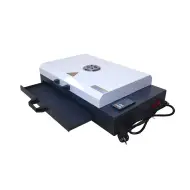
If you're looking for reliable, high-quality garment blanks tailored for DTG printing, explore options like these from reliable suppliers. For more information on advanced DTG printing solutions, check out the A3 DTG Printer that can help elevate your printing capabilities and achieve professional-quality results with compatible fabrics.
Final Tips for DTG Fabric Success
To maximize your DTG printing success, always use high-quality, pre-washed, and pre-treated garments. Conduct test prints on different fabrics to determine optimal settings, including color profiles and pretreatment doses. Keeping your equipment well-maintained and selecting consistent fabric suppliers will help ensure your prints remain sharp and durable over time. Remember that investing in the right fabrics and blanks might cost more upfront but will save you money and effort in the long run by reducing reprint costs and improving customer satisfaction.
In conclusion, the choice of fabrics and garment blanks plays a pivotal role in your DTG printing success. Prioritize quality, compatibility, and testing to perfect your process and offer stunning, durable apparel to your customers worldwide. Happy printing!
Advanced Technical Insights & Application Analysis
When assessing the most compatible blank apparel for DTG printing, it is essential to prioritize garments with a smooth and consistent surface that accommodate high-resolution prints. One overlooked yet critical factor is fabric gauge consistency, which significantly impacts the ink laydown process. Ring-spun cotton, for instance, boasts a finer thread structure compared to regular cotton, enabling better ink absorption and reducing unwanted disruptions like banding or color inconsistencies. This ensures sharper details and more vibrant output, even for intricate designs.
Another advanced consideration is the interaction between fabric pretreatment and ink chemistry. For garments with higher polyester content, pretreatment compatibility is paramount to preventing ink smudging or improper adhesion. Specialized high-viscosity textile inks paired with optimized pretreatment agents can elevate print clarity by as much as 20-30% on poly-rich blends, a crucial factor for producing athletic wear or moisture-wicking apparel. Identifying ink-compliant fabrics through rigorous testing further enhances production efficiency and reduces reprints, especially in high-volume B2B operations.
Maximizing DTG production throughput also involves selecting blanks with engineered surface coatings, which improve ink bonding at a micro level. Modern advancements include polymer-coated "DTG ready" garments, which enhance fine gradient transitions and produce uniform saturation on darker-colored apparel. Such innovations enable consistent scaling for mass production while offering reliable results across various design complexities.
Frequently Asked Questions
- What fabric composition is best for scaling B2B DTG operations? Pre-treated, high GSM (200-220) ring-spun cotton fabrics are ideal for B2B scaling due to their durability, superior print quality, and reduced defect rates.
- How do I improve DTG output quality on darker garments? Use fabrics specifically labeled for DTG compatibility and apply a higher-quality pretreatment solution. Ensuring proper curing and ink drying time is also critical.
- Are there sustainable fabric options compatible with DTG printing? Yes, organic cotton and recycled poly-cotton blends offer eco-friendly options for DTG printing while maintaining excellent ink adhesion and design vibrancy.
- What are common challenges in DTG printing on poly blends? Challenges include reduced ink absorption and potential dye migration. However, these can be mitigated by using high-cotton percentage blends and advanced pretreatment solutions.
- How can I achieve consistent results across multiple blank suppliers? Standardize fabric testing protocols, use calibrated equipment settings, and work with trusted suppliers offering DTG-certified blanks to maintain consistency.