The Impact of UV Printers on Localized Manufacturing in Response to Global Supply Chain Shifts

The Impact of UV Printers on Localized Manufacturing in Response to Global Supply Chain Shifts
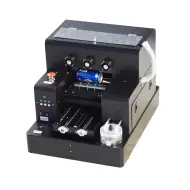
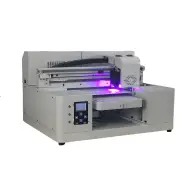
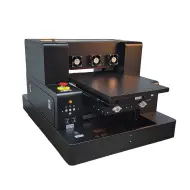
In recent years, the manufacturing industry has experienced a seismic shift driven by disruptions to global supply chains. From pandemics to geopolitical tensions, these challenges have compelled companies worldwide to rethink their production strategies. Among the innovative solutions gaining prominence are UV printers, which are transforming localized manufacturing processes. These advanced digital printing devices enable businesses to produce high-quality, customized goods on-site, reducing dependency on distant suppliers and mitigating supply chain risks. As a result, UV printing technology is becoming a critical tool in creating resilient, flexible, and efficient manufacturing ecosystems.

How UV Printing Technology Is Reshaping Local Manufacturing
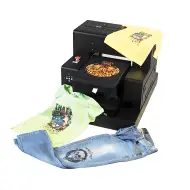
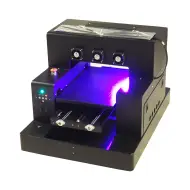
UV printers utilize ultraviolet light to instantly cure ink onto various substrates, allowing for precise and vivid printing directly on materials like glass, metal, plastic, and wood. This capability opens new avenues for small and medium-sized manufacturers seeking to diversify their product offerings and shorten lead times. By integrating UV printing into their production lines, companies can produce prototypes, customized products, and small batch runs without relying on offshore factories or extensive supply chains. The process also supports just-in-time manufacturing, reducing inventory costs and enabling rapid adaptation to market demands. The flexibility offered by UV printers is especially valuable during global disruptions, making localized manufacturing more viable and sustainable.
The Benefits of UV Printers in a Disrupted Supply Chain Environment
One of the key advantages of UV printing technology is the ability to produce high-quality, durable finishes that meet various industrial and commercial standards. This quality assurance reduces the need for secondary processing or outsourcing, further streamlining the manufacturing workflow. Additionally, UV printers boast fast production speeds, enabling on-demand manufacturing that aligns with just-in-time inventory strategies. This agility not only minimizes waste but also enhances a company"s ability to respond swiftly to market changes or customer preferences. Furthermore, the environmental footprint of UV printing is generally lower compared to traditional methods, as it produces minimal VOC emissions and solvent use, aligning with the increasing demand for sustainable manufacturing practices.
Challenges and Considerations When Implementing UV Printing in Local Factories
While UV printers offer many benefits, integrating this technology into existing manufacturing facilities requires careful planning. Initial capital investment can be significant, especially for advanced models capable of handling diverse substrates and high-volume production. Staff training and workflow adjustments are also essential to maximize efficiency and maintain quality standards. Moreover, it's important to consider the types of materials and products suited for UV printing, as some substrates may require specialized inks or surface preparation. Despite these challenges, the long-term advantages—such as reduced dependency on global supply chains, enhanced product customization, and faster time-to-market—make UV printers a worthwhile investment for manufacturers aiming to fortify their operations against ongoing global disruptions.
Case Studies: UV Printers Enabling Localized Manufacturing Success
Numerous companies worldwide have adopted UV printing technology to overcome supply chain hurdles. For instance, a small furniture maker in Europe began using UV printers to produce customized decorative panels, reducing lead times from weeks to days and cutting shipping costs significantly. Similarly, a promotional products company in Asia leveraged UV printing to fulfill local orders with personalized designs, eliminating reliance on imported items and streamlining its supply chain. These examples exemplify how UV printers serve as vital tools in creating a more localized, adaptable manufacturing model. By investing in this technology, businesses are gaining a competitive edge, offering faster delivery, higher quality, and greater customization to their customers.
Choosing the Right UV Printer for Your Manufacturing Needs
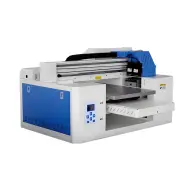
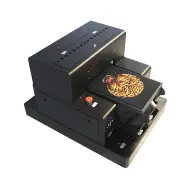
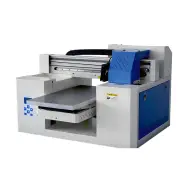
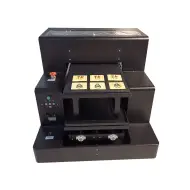
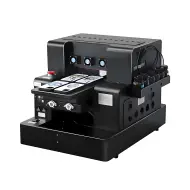
Selecting a suitable UV printing solution depends largely on your specific manufacturing requirements, such as production volume, substrate compatibility, and budget. Features to consider include print speed, color fidelity, resolution, and the range of materials supported. For those interested in exploring the capabilities of UV printers, [this product](https://www.gnfei.com/products/spot-uv-printing-machine-glossy-uv-coating-printer.html) offers an excellent starting point. It provides high-quality printing with versatile applications, perfect for small to medium-sized production lines looking to enhance their on-site manufacturing process. Investing in the right equipment can unlock new possibilities for product innovation and operational resilience amidst ongoing global supply chain uncertainties.
The Future of Localized Manufacturing with UV Printing
As global supply chain disruptions continue to challenge traditional manufacturing models, UV printing technology is poised to play an increasingly pivotal role. Innovations such as multi-material printing, higher speeds, and automation are expanding the capabilities and affordability of UV printers. This evolution will make localized manufacturing more scalable and integrated, empowering small and medium-sized enterprises to compete on a global scale. Furthermore, developments in eco-friendly inks and sustainable substrates will enhance the environmental sustainability of local production. Ultimately, UV printing is not just a technological advancement; it is a catalyst for a more resilient, innovative, and customer-centric manufacturing landscape. Embracing this technology today can help businesses future-proof their operations and seize new market opportunities.
In conclusion, UV printers are revolutionizing how companies approach manufacturing amidst the shifting dynamics of global supply chains. By enabling localized, flexible, and high-quality production, they offer a strategic advantage for businesses aiming for resilience and innovation. Whether for small batch customization or rapid prototyping, UV printing provides the tools needed to adapt and thrive in uncertain times. Investing in this technology today can help your business stay ahead of the curve and meet the evolving needs of your customers worldwide.
Advanced Technical Insights & Application Analysis
UV printing technology represents a significant advancement in localized manufacturing, thanks to its remarkable ink adhesion properties and efficient UV curing mechanisms. Modern UV printers utilize high-intensity ultraviolet light to instantaneously cure ink on various substrates, ensuring exceptional durability, scratch resistance, and color vibrancy. This precision not only minimizes production waste but also guarantees that the end product meets stringent industrial quality standards. Key innovations, such as adjustable curing speeds and automated printhead calibration, further enhance operational efficiency, making UV printers an indispensable tool for businesses navigating supply chain disruptions.
In terms of return on investment (ROI), UV printers provide unparalleled value, particularly for B2B manufacturers specializing in customization and small-batch production. By eliminating the need for traditional screen printing or outsourcing, mid-sized enterprises can drastically reduce lead times and labor costs. Furthermore, advancements in eco-friendly UV inks contribute to sustainability goals while maintaining rich color fidelity across a wide range of materials. For industries such as signage, promotional goods, and packaging, these machines bridge the gap between scalability and personalized manufacturing, solidifying their position in the competitive uv printing industry news landscape.
The high adaptability of UV printers to diverse substrates—including textiles, ceramics, and coated metals—makes them a strategic acquisition for businesses aiming to diversify their product offerings. Enhanced material compatibility minimizes the onboarding costs tied to specialized equipment, allowing seamless integration across existing production lines. This capability supports a "design-to-delivery" workflow ideal for just-in-time manufacturing, enabling companies to better respond to fluctuating market demands while maintaining a robust, localized production system.
Frequently Asked Questions
- What substrates are compatible with UV printers?
UV printers are compatible with a wide variety of materials, including glass, metal, plastic, wood, fabric, and ceramics. However, certain substrates may require pre-treatment or specialized inks for optimal adhesion and durability.
- How does UV curing impact production efficiency?
UV curing instantly solidifies the ink, allowing for expedited production without the need for drying times. This enables faster turnaround and supports high-volume workflows while maintaining precise print quality.
- What are the environmental advantages of UV printing?
UV printing reduces volatile organic compound (VOC) emissions compared to solvent-based methods. Additionally, many UV printers now support energy-efficient curing systems and sustainable ink formulations, aligning with eco-conscious manufacturing trends.