Trend-driven apparel startups leveraging dtg printer for niche fashion markets and micro-brand growth
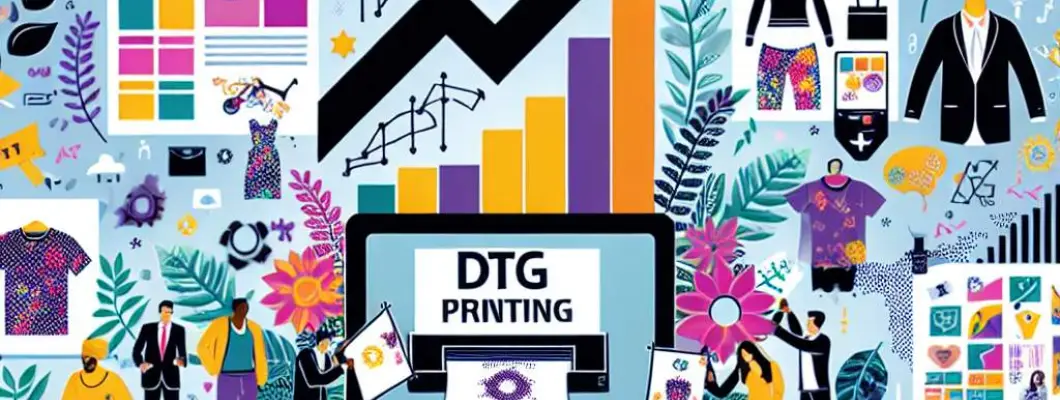
Are you struggling to grow your apparel brand and find the right printing methods?
Many small fashion startups face the challenge of standing out in a crowded market. You want unique, high-quality pieces that catch eyes and build customer loyalty. But how do you get there without huge upfront costs or complex processes?
That"s where trend-driven apparel startups are leveraging the power of DTG (Direct-to-Garment) printers. This technology is revolutionizing niche fashion markets and helping micro-brands grow faster than ever. I"ve talked with entrepreneurs who started with a small DTG setup and some killer ideas, and now they"re dominating their niche.
What makes DTG printers a game-changer for small apparel brands?
Flexibility in design and production
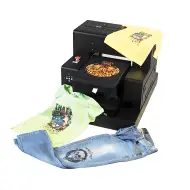
Traditional screen printing or embroidery can be time-consuming and expensive, especially for small batches or custom designs. DTG printers let you produce intricate, colorful prints directly onto garments with minimal setup. Need to modify a design or test a new style? No problem — just upload the artwork and print!
This means faster turnaround times and lower costs for small orders. You don"t have to order massive inventory — just produce on demand.
With a DTG printer, your creative possibilities expand. You"re no longer limited to basic colors or simple graphics. You can create detailed illustrations, photos, and textures that truly reflect your brand"s identity. It"s perfect for niche markets demanding authenticity and uniqueness.
Why are niche fashion markets a perfect fit?
Niche markets thrive on authenticity, storytelling, and personalized experiences. Think eco-friendly apparel, retro-inspired designs, or LGBTQ+ themed fashion. Customers in these segments want products that express their identity or values—something mass-produced just can't match.
Using DTG, your startup can produce limited editions, customized designs, or even personalized items. This makes your brand more appealing and helps build a loyal community. Plus, you won"t waste money on unsold inventory — just print what"s needed.
Let"s say a startup sells vintage-inspired graphic tees. They can experiment with new designs weekly, gauge customer reactions, and adjust quickly — thanks to using DTG technology. This agility is priceless in niche markets.
How micro-brands are using DTG printers to accelerate growth
Lower barrier to entry and reduced risk
Starting a clothing brand can be pricey. Large runs of shirts, minimum order quantities, equipment costs— it all adds up. DTG printers change the game because they allow you to start small and scale gradually. You can test different designs and see what resonates without heavy upfront investment.
Several brands I"ve spoken with began with a simple setup and quickly expanded as orders grew. The ability to produce small batches keeps cash flow healthy and reduces waste.
Faster adaptation to market trends
Fashion trends change rapidly. If you're waiting weeks for bulk orders or screens to be printed, you risk missing the wave. With DTG printing, you can design, print, and sell new items in days. This agility lets micro-brands stay relevant and capitalize on trending styles, hashtags, or holidays.
For example, during a local music festival, a micro-brand launched a limited edition line inspired by the event. Thanks to their DTG setup, they created new designs overnight and sold out quickly.
Choosing the right DTG printer for your niche brand
Key features to look for
- Print quality: Detailed, vibrant images that meet professional standards.
- Speed and volume: Ensure it can handle your projected orders without delays.
- Ease of use: User-friendly interfaces help you save time and avoid costly errors.
- Compatibility with fabrics: Most startups print on cotton, blends, or polyester. Confirm the printer"s capabilities.
- Support and maintenance: Reliable customer service keeps your operation running smoothly.
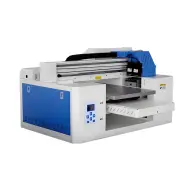
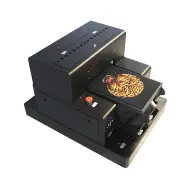
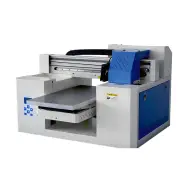
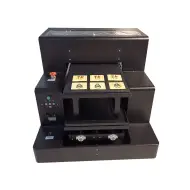
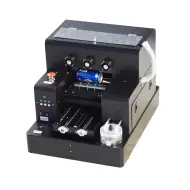
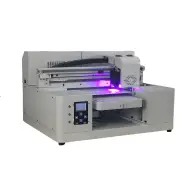
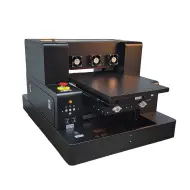
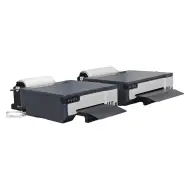
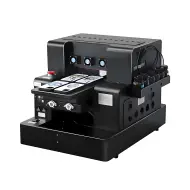
If you"re serious about scaling, consider looking at a high-quality model like the A3 DTG Printer. It offers excellent print detail, durability, and manageable size for small to medium batches.
Tips for integrating DTG into your workflow
Making the most of this technology
- Design smart: Use vector graphics for sharp lines or high-res images for photographic prints.
- Test before bulk: Always run test prints to check color accuracy and placement.
- Set up a dedicated workspace: Keep your printing area organized for efficiency.
- Invest in relatively soft, high-quality garments: Your prints last longer and feel better on the skin.
- Offer customization options: Use your DTG setup to personalize orders, boosting customer engagement.
One startup I know improved their sales by offering limited edition designs printed with DTG. They could quickly adapt to customer feedback and trends, keeping their offerings fresh. The key is balancing quality with speed while maintaining a unique brand voice.
What about the future of niche fashion and micro-brands?
The trend is clear: consumers now seek authenticity, personalization, and swift access to new styles. DTG printing is a core component of this shift, especially for startups with limited budgets but big creative ambitions. The technology simplifies production, reduces waste, and allows you to be more responsive to market trends.
If you"re looking to elevate your apparel brand and carve out a niche, investing in a quality DTG printer like the A3 DTG Printer could be your game-changer. It"s about producing more with less, focusing on what makes your brand unique, and engaging customers with authentic designs. Because at the end of the day, trend-driven apparel startups are all about being fast, flexible, and fiercely original.
FAQs
1. Is a DTG printer suitable for small startups?
Absolutely. DTG printers are perfect for small businesses focusing on limited batches, custom designs, or rapid market response. They require less space and investment than traditional printing methods.
2. How does DTG printing compare to screen printing in quality?
DTG can produce highly detailed, colorful images comparable to or better than screen printing, especially for complex designs or small runs. It"s also more cost-effective for low quantities.
3. Can I print on other fabrics besides cotton?
Many modern DTG printers can handle blends and some polyester fabrics, but always check the printer specs. For very different materials, alternative printing methods may be needed.
4. What"s the maintenance like for a DTG printer?
Regular cleaning and servicing are essential to maintain print quality. Most manufacturers provide guidance and support to keep your machine in top shape.
5. Is DTG printing eco-friendly?
Compared to other methods, DTG uses less water, produces less waste, and requires fewer chemicals. However, choosing eco-friendly inks can further reduce its environmental impact.