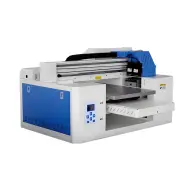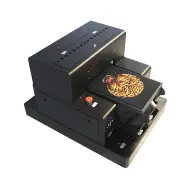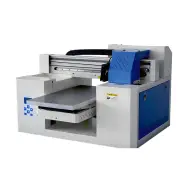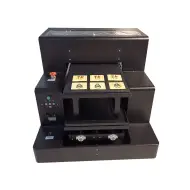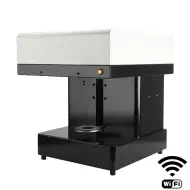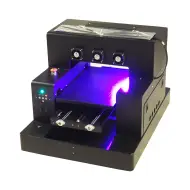
UV printer technology enabling high-resolution printing on metal, glass, wood and ceramic surfaces
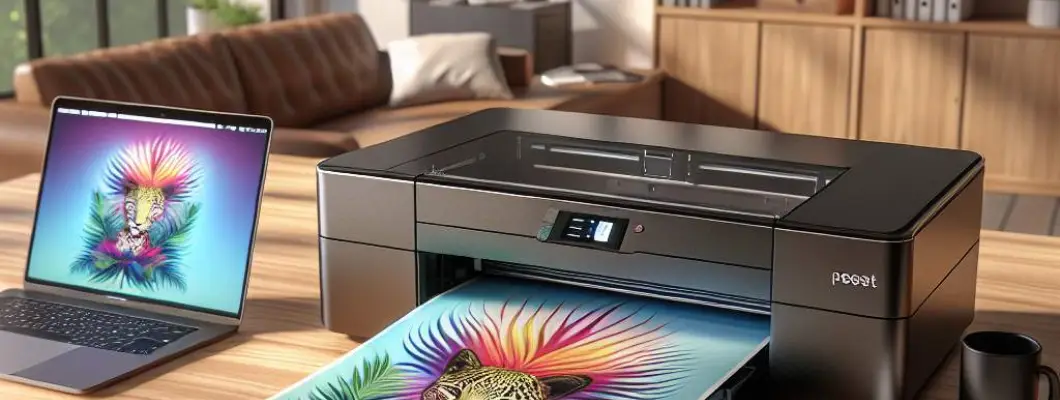
Struggling to achieve crisp, high-resolution prints on diverse surfaces? You're not alone. Many professionals face challenges when trying to print seamlessly on metal, glass, wood, or ceramic materials. That's where UV printer technology comes into play, transforming the way we approach multi-surface printing with precision and durability.
What is UV Printer Technology?
Understanding the Basics
UV printer technology uses ultraviolet light to cure ink instantly as it hits a surface. Unlike traditional printing methods that rely on absorbent materials, UV printing can work on virtually any surface—be it metal, glass, wood, or ceramic. It"s like applying digital paint that dries instantly, producing vibrant, high-resolution images with impressive clarity.
Why Choose UV Printing?
- High Resolution: Delivers sharp, detailed images that stand out.
- Surface Compatibility: Prints effectively on non-porous or uneven surfaces.
- Quick Curing: Instant drying reduces production time.
- Durability: Ink resists scratches, weather, and UV rays.
- Eco-Friendly: Minimal VOC emissions and waste, making it environmentally sound.
How UV Printer Technology Elevates Your Business
Versatility in Application
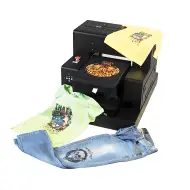
Imagine customizing a metal plaque or glass awards in a single run. UV printers can print directly onto these surfaces without the need for adhesives or labels. Want wooden kitchenware or ceramic tiles with unique designs? This tech makes it possible. It"s a game-changer for industries seeking personalization, branding, or artistic expression.
Improving Productivity and Quality
With UV printers, you cut down on setup times and avoid multiple print passes. Plus, since the ink cures instantly, your products are ready to go right after printing—no waiting for drying. This means faster turnaround times and happier clients. I recently talked to a client who boosted their production speed by 30% after switching to UV printing for their custom decor line.
Cost-Effective and Eco-Conscious
Though the initial investment may seem high, the long-term savings are significant. Fewer supplies, less waste, and faster production make UV printers a smart choice. Plus, the environmentally friendly aspect helps you meet sustainability goals without sacrificing quality.
Exploring the Capabilities of UV Printers
High-Resolution Output
UV printers can produce images with resolutions up to 1200 dpi, ensuring detailed graphics and vibrant colors. When printing on materials like glass or metal, this level of detail creates a professional and upscale look that appeals to clients.
Layering and Special Effects
Advanced UV printing allows for textured effects, gloss finishes, or even 3D embossing directly onto surfaces. Want a metallic finish on a glass product or a textured logo on wood? UV technology supports it, giving your products a distinctive edge.
Printing on Challenging Surfaces
Ever tried to print on curved, uneven, or glossy surfaces? UV printers excel here. Their precise control means you get consistent, high-quality results even on tricky shapes or reflective surfaces.
Choosing the Right UV Printer for Your Needs
Key Considerations
- Print Size: Match the printer"s bed size with your typical projects.
- Speed and Throughput: Consider your volume requirements.
- Ink Compatibility: Ensure it supports your desired materials and finishes.
- Ease of Use: User-friendly interfaces save time and reduce errors.
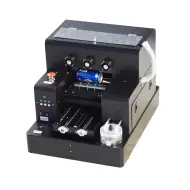
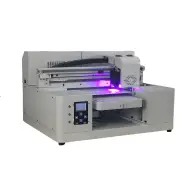
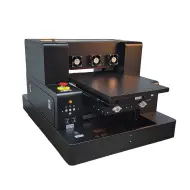
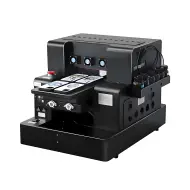
If you're interested, check out this UV printing machine that can handle high-resolution printing with glossy UV coating, perfect for many applications.
Real World Success: Turning Vision into Reality
I recently spoke with a custom gift shop owner who integrated UV printing to create personalized photo frames, ornaments, and home décor items. They reported a noticeable increase in client satisfaction due to the vibrant quality and durability of their products. Their ability to print directly onto diverse surfaces opened new business opportunities, and their workflow became much more efficient.
Frequently Asked Questions (FAQs)
1. Can UV printers print on shiny or reflective surfaces?
Absolutely. UV printing handles glossy and reflective materials well because the ink cures instantly, reducing smudges and ensuring vibrant results.
2. What types of inks are used in UV printers?
They typically use UV-curable inks that harden instantly under UV light. These inks are formulated to adhere to a wide range of surfaces and resist environmental damage.
3. Is UV printing environmentally friendly?
Yes. UV inks emit fewer volatile organic compounds (VOCs), produce less waste, and require less energy during curing compared to solvent-based inks.
4. How durable are UV printed products?
Products printed with UV technology are highly durable, resisting scratches, UV rays, and weather conditions—ideal for outdoor or high-use applications.
5. Is UV printing cost-effective for small businesses?
While initial costs are higher, the efficiency, versatility, and quality benefits can lead to cost savings over time, especially for custom, short-run, or high-value items.
Advanced Technical Insights & Application Analysis
UV printing technology offers groundbreaking advantages for companies producing metal furniture, particularly in achieving unparalleled ink adhesion and durable finishes. The UV-curable inks are engineered to bond seamlessly with non-porous materials like metal, ensuring vivid, high-resolution designs that resist fading, scratches, and environmental damage. This makes UV printing an indispensable solution for manufacturers of metal furniture seeking to incorporate intricate patterns or branding into their designs without sacrificing longevity.
An essential feature of UV printers is their exceptional curing efficiency. The process involves exposing the ink layers to precise wavelengths of ultraviolet light, triggering immediate polymerization. This rapid curing not only ensures consistent texture and color quality across metal surfaces but also allows businesses to accelerate production workflows. By eliminating the need for post-print drying stages, UV printing reduces bottlenecks and empowers companies to achieve faster turnaround times—a critical edge in competitive B2B markets.
From a return-on-investment perspective, UV printing supports scalability and cost-effectiveness. Beyond minimizing production delays, the technology cuts supply chain costs by reducing dependency on consumables like adhesives. For manufacturers specializing in custom-designed metal furniture, the capability to directly print intricate and durable designs simplifies operations while enhancing the perceived value of their goods. Consequently, UV printing becomes a cornerstone for boosting profit margins and market appeal.
Frequently Asked Questions
- Does UV printing work effectively on industrial-grade metal furniture?
Yes. UV printers are optimized to handle industrial-grade metals, offering high adhesion of UV-curable inks that withstand wear, corrosion, and heavy usage.
- Why do companies use UV printing over traditional methods for metal furniture?
Companies prefer UV printing due to its ability to produce detailed, durable, and eco-friendly designs directly on metal surfaces without requiring additional layers or adhesives.
- Can UV printing support bulk production without compromising quality?
Absolutely. The rapid curing mechanism and high-resolution capabilities ensure consistent quality, even during large-scale manufacturing operations.