UV Printers and Smart Manufacturing: Exploring New Possibilities in Industry 4.0
Are You Exploring the Future of Manufacturing with UV Printers?
Have you ever wondered how traditional manufacturing could leap into Industry 4.0? Or maybe you're asking, how can UV printers elevate your processes in smart manufacturing? If so, you're not alone. Many industry leaders are now looking at UV printing as a game-changer in digital transformation. It"s not just about printing anymore; it's about integrating smart, scalable solutions that boost efficiency and quality in manufacturing.
What Makes UV Printers a Key Part of Industry 4.0?
Digital Precision Meets Automation
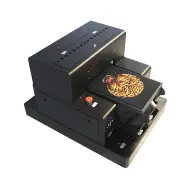
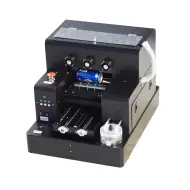
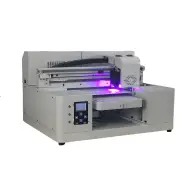
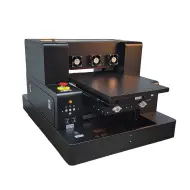
UV printers are revolutionizing how manufacturers approach customization and batch production. These printers use ultraviolet light to instantly cure ink onto surfaces, which means faster production times and better quality control. Think of it like this: you get a **high-quality, durable finish** without the lengthy process of drying or curing in traditional methods.
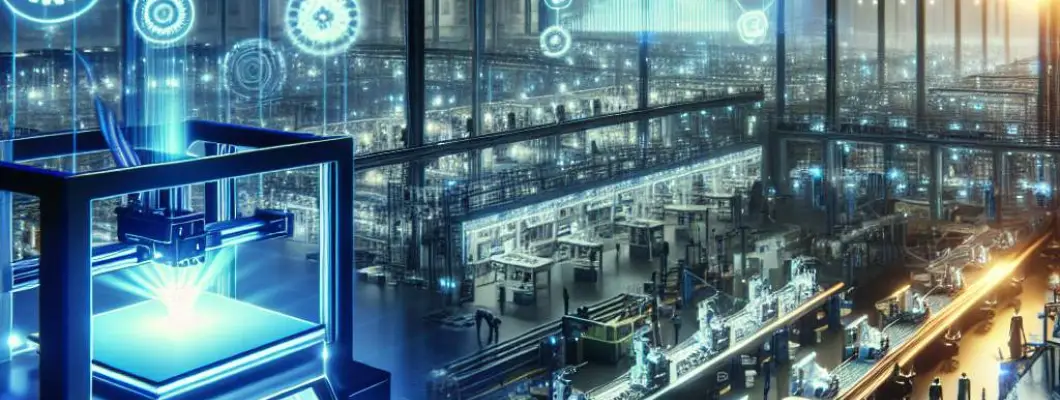
When combined with factory automation, UV printers can integrate into smart manufacturing systems seamlessly. This allows for real-time adjustments, consistent outputs, and even predictive maintenance. Imagine a manufacturing line that "talks" to your printers—detecting issues before they happen and minimizing downtime.
Versatility for Multiple Industries
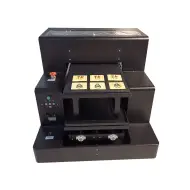
From automotive panels to consumer electronics, UV printing offers **remarkable versatility**. You can print on complex shapes and various materials like plastic, metal, or glass—something traditional printers struggle with. This opens up fresh opportunities for product customization, branding, or functional printing integrated directly into the manufacturing process.
How Does Smart Manufacturing Incorporate UV Printing?
Connecting the Dots with IoT and Data Analytics
Integrating UV printers into a smart factory involves connecting them with Internet of Things (IoT) devices and data systems. For example, sensors on your UV printer can monitor ink levels, temperatures, and operational efficiencies. This data feeds into your central system, which analyzes performance and suggests optimizations.
Using this data, you can predict wear and tear, schedule maintenance proactively, and even fine-tune printing parameters for different batches—all without manual intervention. It"s like having a digital assistant overseeing your printing operations 24/7.
Benefits of Combining UV Printing with Smart Tech
- Increased Productivity: Reduced downtime through predictive maintenance.
- Enhanced Quality Control: Consistent results with minimal human oversight.
- Flexibility in Production: Quick changeovers for different designs or materials.
- Sustainable Manufacturing: Less waste and energy consumption with precise control.
All these benefits make UV printers an essential component of Industry 4.0 infrastructure. They help move your factory from manual, inconsistent processes toward a highly automated, smart operation.
Real-Life Example: A Manufacturer"s Digital Transformation
I recently talked with a manufacturer who integrated a UV printing system into their assembly line. They started small—adding UV printing to label and branding components. Within months, they noticed a huge drop in defect rates because digital calibration was easier and faster than their old manual process.
They also used data from the UV printers to optimize ink usage and reduce waste. Now, they"re scaling up automation, and their factory runs smoother — all thanks to smart integration of UV printing technology. This shows how embracing UV printers in Industry 4.0 can truly redefine manufacturing efficiency.
Discover the Power of UV Printing in Your Factory
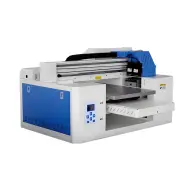
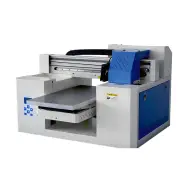
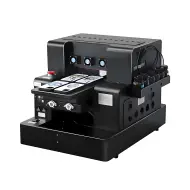
If you're ready to boost your manufacturing capabilities, check out the Spot UV Printing Machine. It offers high precision, fast curing, and excellent surface quality—perfect for integrating with your smart systems and staying ahead in the Industry 4.0 race.
UV printers aren"t just tools—they"re strategic assets that help you achieve more agility, quality, and scale. Whether you"re adding decorative finishes or functional coatings, smart UV printing solutions are the key to staying competitive in today"s rapidly evolving industry landscape.
FAQs About UV Printers and Smart Manufacturing
- Can UV printers be integrated into existing manufacturing lines? Yes, most UV printers are designed for easy integration with automation systems and can be connected to IoT devices for real-time data sharing.
- What materials can UV printers handle? UV printers are versatile—they can print on plastics, metals, glass, and many textured surfaces, making them suitable for diverse industries.
- Is UV printing environmentally friendly? Generally, yes. UV printers typically produce less waste and consume less energy compared to traditional curing methods, aligning with sustainable manufacturing goals.
- What is the typical return on investment for upgrading to UV printing technology? It varies, but many companies see quicker turnaround times, reduced waste, and higher product quality, which all contribute to faster ROI.
- How do I know if UV printing is right for my business? Consider your product customization needs, material types, and growth plans. A consultation with a printing or manufacturing specialist can help you decide.