How to Start a UV Printing Business in 2026 — Equipment, Costs & ROI
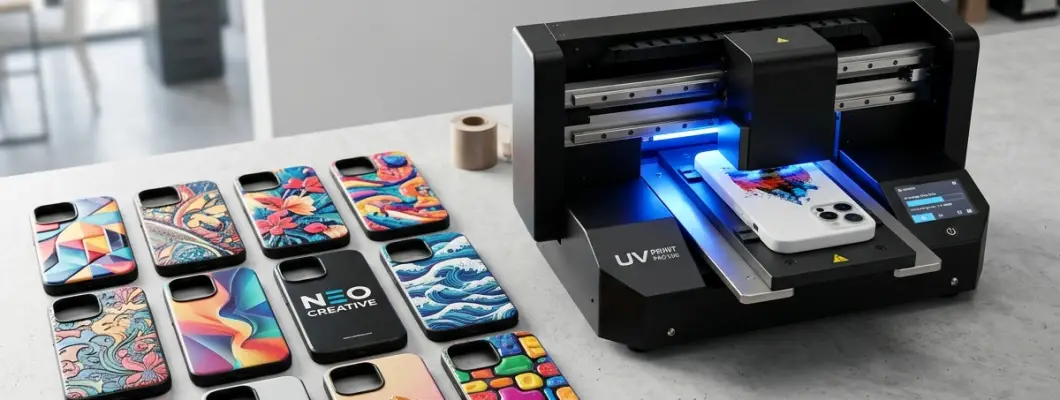
How to Start a UV Printing Business — Equipment, Costs & ROI
The custom printing industry is undergoing a massive shift in 2026, driven by an explosion in personalized packaging, custom drinkware, and direct-to-object B2B branding. At the center of this revolution is UV printing—a technology that allows businesses to print full-color graphics with white base layers and tactile varnish textures onto almost any rigid substrate. Whether you're starting from a spare room or scaling a print shop, UV flatbed and UV DTF systems offer some of the highest margins and fastest ROI in the decoration industry.
Section 1: UV Flatbed vs. UV Cylinder vs. UV DTF Solutions
UV printing curing is powered by ultraviolet LED lights, instantly drying ink on contact and enabling direct printing on wood, acrylic, glass, metal, plastic, and leather. Depending on your production focus, there are three primary UV printing workflows:
UV Flatbed (Direct-to-Object)
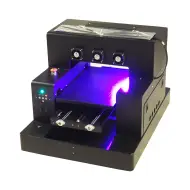
Prints directly onto flat, rigid objects placed on the printer bed. The printhead moves along the X/Y axes while curing ink instantly with UV LED lamps.
- Best for: Phone cases, acrylic sheets, wood blocks, leather wallets, card stock, and flat promotional gifts.
- Pros: Maximum durability, no transfer step required, supports thick materials up to 15cm.
- Cons: Objects must be flat or have a very slight contour (less than 2mm height variance).
UV DTF (Crystal Stickers)
Prints designs onto a special release film (Film A), laminates it to a transfer film (Film B), and allows peeling and applying the transfer to any object.
- Best for: Curved surfaces, thermos flasks, helmets, laptop lids, windows, and large or irregular-shaped objects.
- Pros: Prints on irregular shapes, no height constraints, decals can be shipped to clients to apply themselves.
- Cons: Requires a laminating step, slightly lower scratch-resistance than direct flatbed printing.
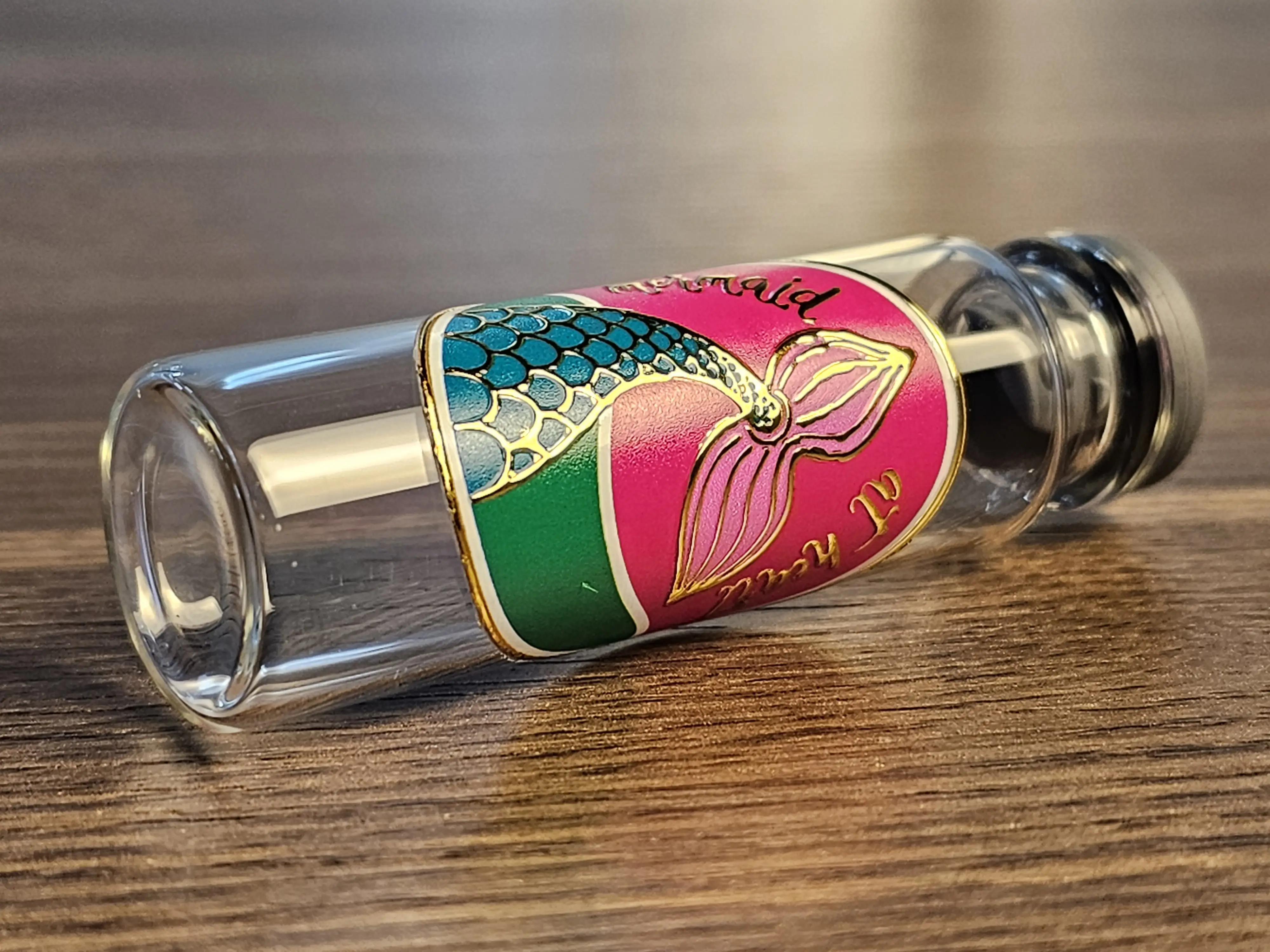
The Ultimate Versatility: Cylinder/Rotary Printing
To cover both flat and curved surfaces, modern startups choose a hybrid system that includes a rotary cylinder attachment. This attachment is placed on the flatbed platen, allowing you to print full-wrap graphics on cylindrical substrates like wine bottles, tumblers, and coffee mugs. The rotation axis is synchronized with the printhead travel for seamless wrap alignment.
Essential Accessory Checklist for UV Printing
To launch your UV printing production, the primary printer is only the first step. You must equip your workspace with the correct accessories and consumables to complete the printing and curing workflow:
For UV Flatbed & Cylinder Printing, you will need:
- Flatbed Printer: Equipped with vacuum bed and rotary attachment.
- UV Curable Ink Set: High-density CMYK + White + Varnish ink.
- UV Primer Spray: Adhesion promoter for glass, metal, and ceramic.
- RIP Software: Control color matching, white underbase, and varnish layers.
- Rotary Jig: Synchronized cylinder attachment for bottles and mugs.
For UV DTF Sticker Printing, you will need:
- UV DTF Printer: Support printing on PET Film A with adhesive/varnish.
- Roll/Sheet Laminator: To press Film A and Film B together.
- UV DTF Film A & B: Release PET film and transfer positioning film.
- Lamination Squeegee: For manual bubble-free transfer application.
- Scissors / Cutting Tool: To separate printed gang decals.
Section 1.6: Pros & Cons of UV Flatbed vs UV DTF Printing
Before choosing your equipment package, it is essential to understand the advantages and limitations of each technology. The table below outlines the core pros and cons of UV flatbed (Direct-to-Object) and UV DTF (Crystal Sticker) printing methods:
UV Flatbed (Direct-to-Object) Pros & Cons
- Pro: Universal Substrate Compatibility – Print directly on acrylic, wood, metal, glass, PVC, ABS, leather, and ceramic (150+ material types).
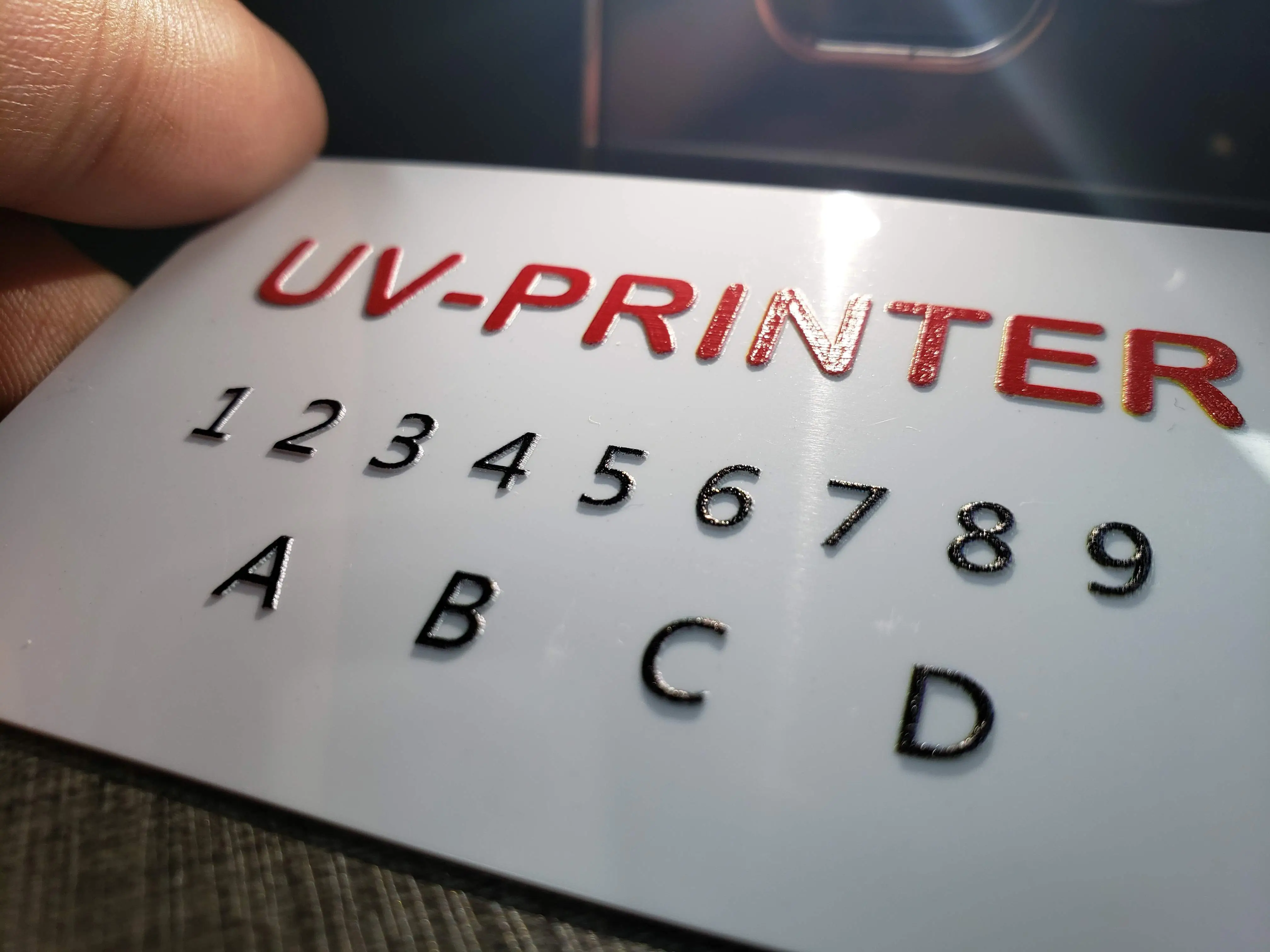
- Pro: Single-Pass 3D Texture – Deposit white, color, and clear varnish ink simultaneously for embossed raised effects.
- Pro: Unmatched Durability – Ink chemically cross-links and bonds directly to the object, offering superior scratch and water resistance.
- Con: Flat Surface Limit – Substrate must fit flatly on the platen. Highly irregular or heavily recessed items cannot be printed.
- Con: Adhesion Priming – Non-porous surfaces like glass and bare metals require manual priming for wash durability.
UV DTF (Crystal Sticker) Pros & Cons
- Pro: Irregular Contour Printing – Apply decals to spherical, curved, or large items (e.g. helmets, walls, vehicles) that cannot fit in a printer.
- Pro: Decal Retail Opportunity – Print gang sheets of stickers and ship them to retail customers for easy peel-and-stick application.
- Pro: Vivid Raised Texture – Hot-melt adhesive and clear varnish layers create a premium "crystal label" look.
- Con: Process Complexity – Requires printing, laminating, weeding/cutting, and manual transfer steps.
- Con: Marginal Edge Wear – Stickers can lift at sharp edges under heavy abrasion or high-temperature dishwasher exposure.
Section 2: UV Flatbed Printing — Operation & Print Samples
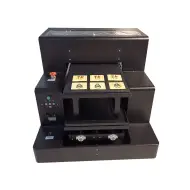
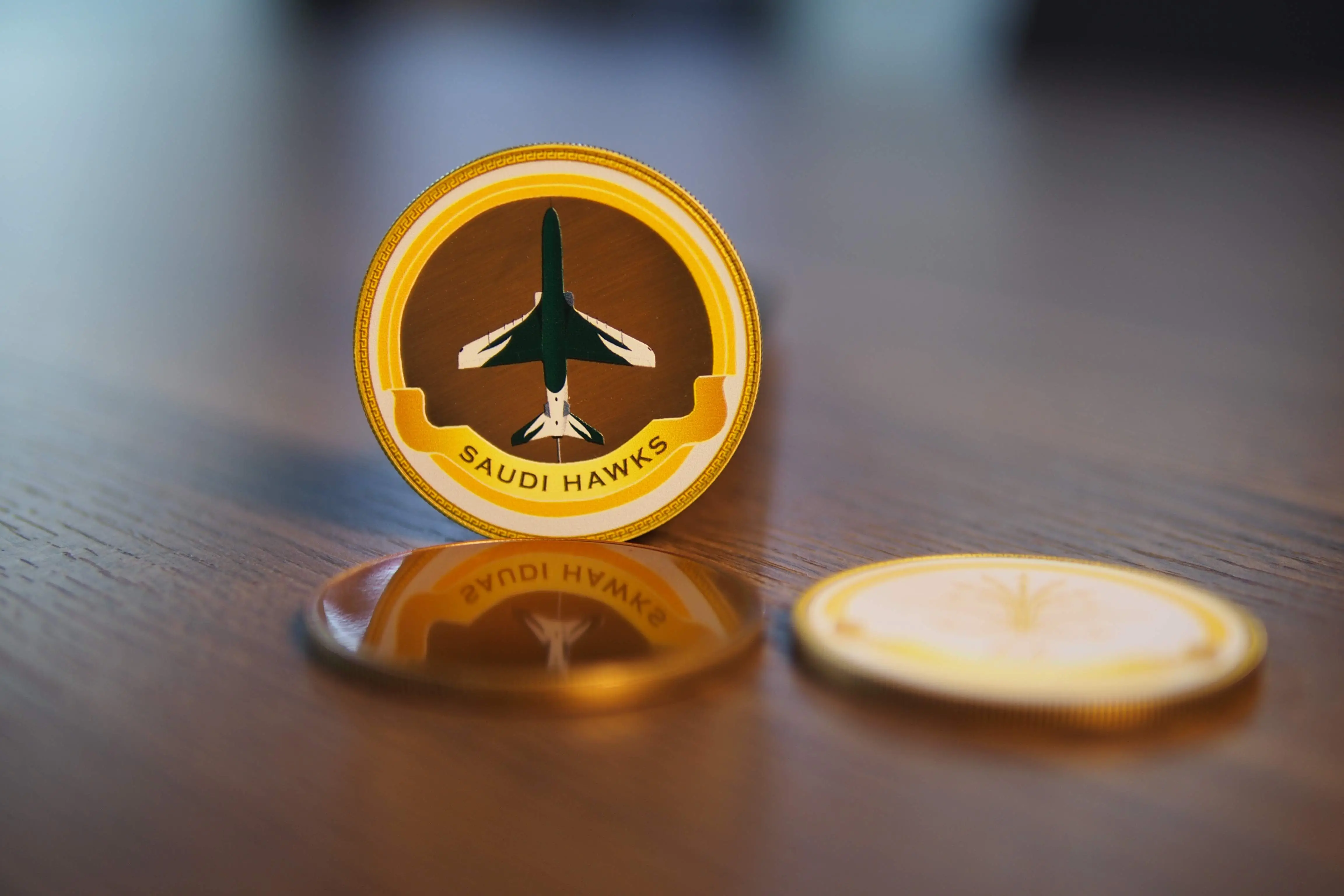
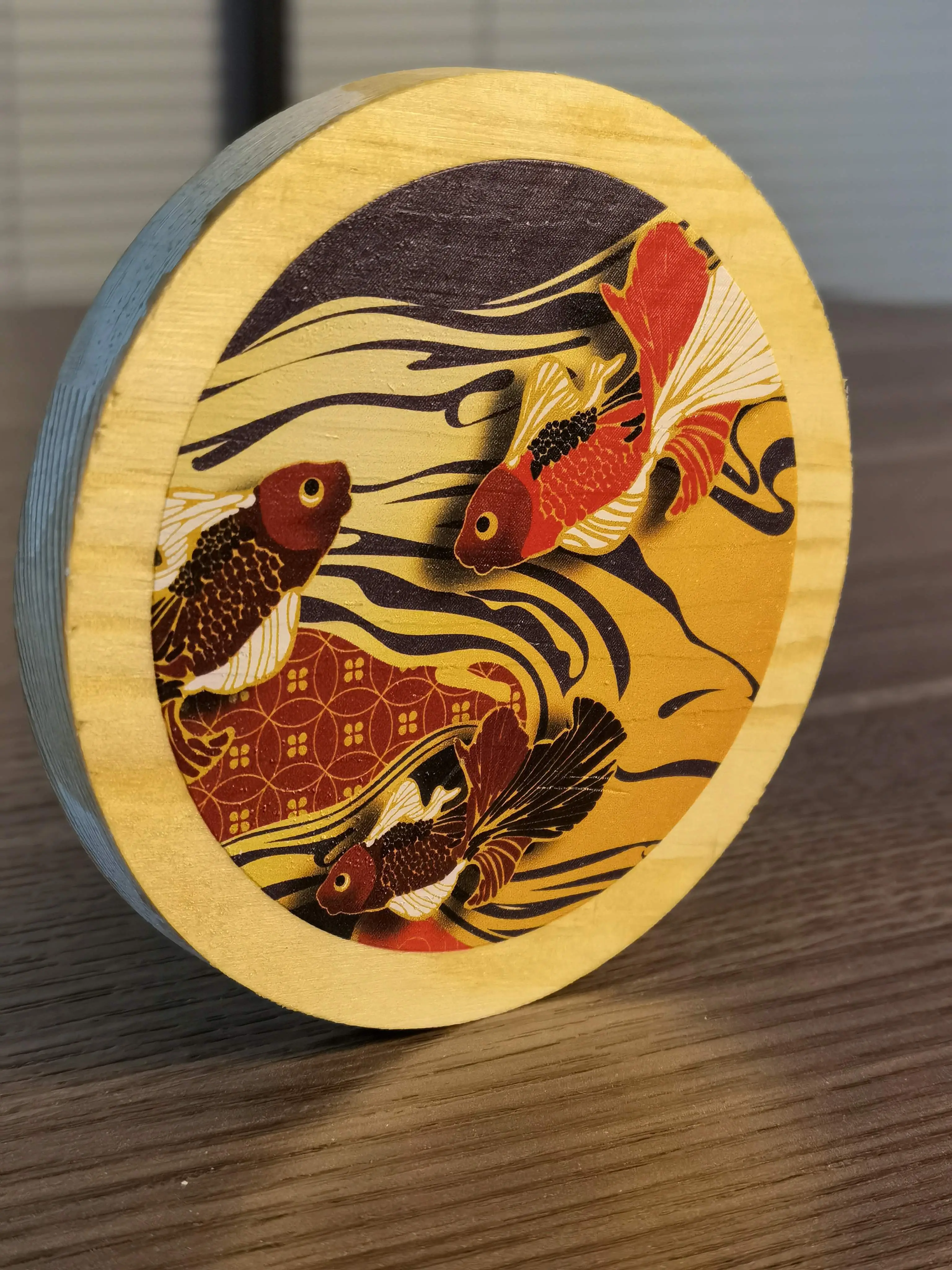
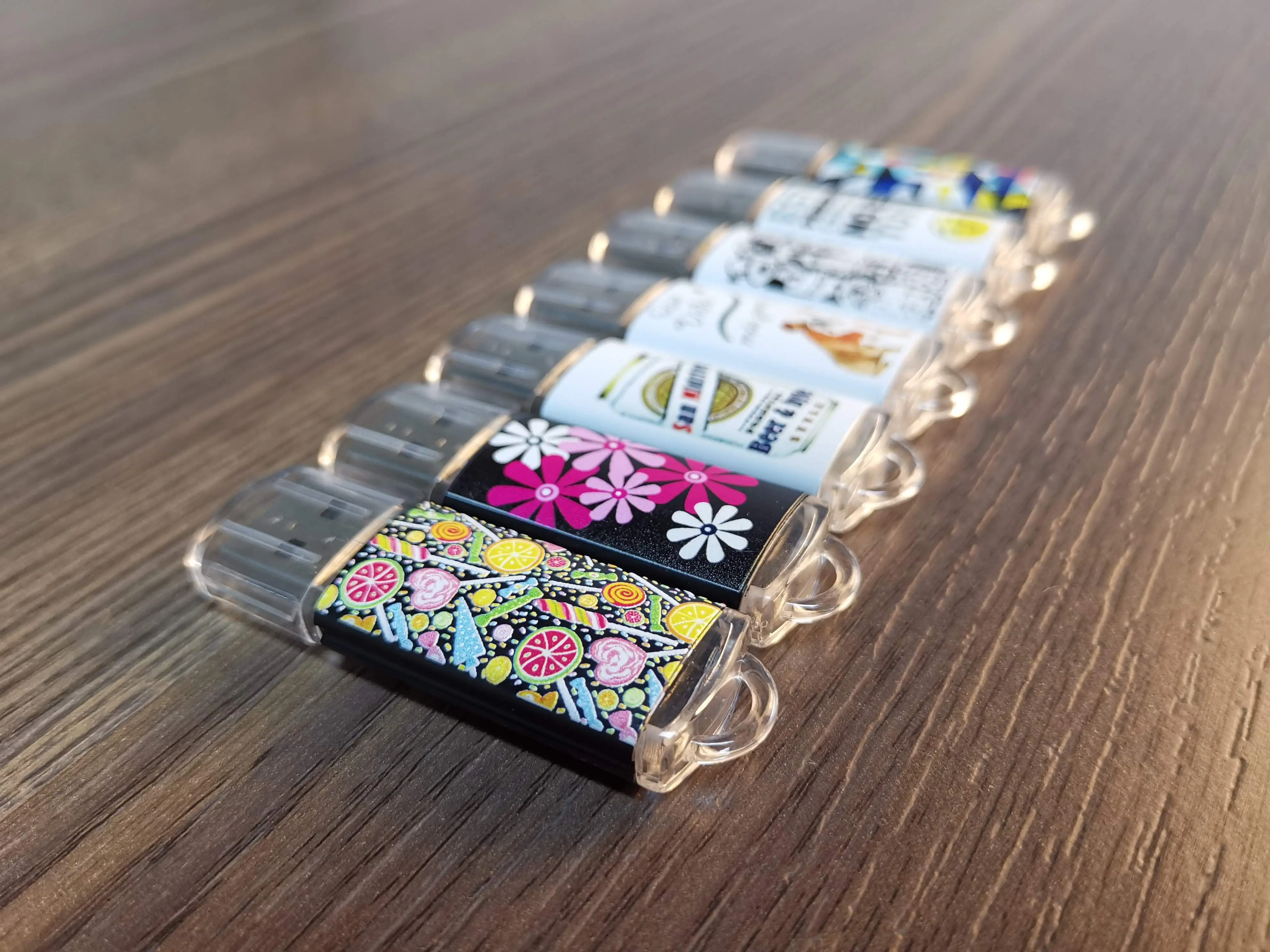
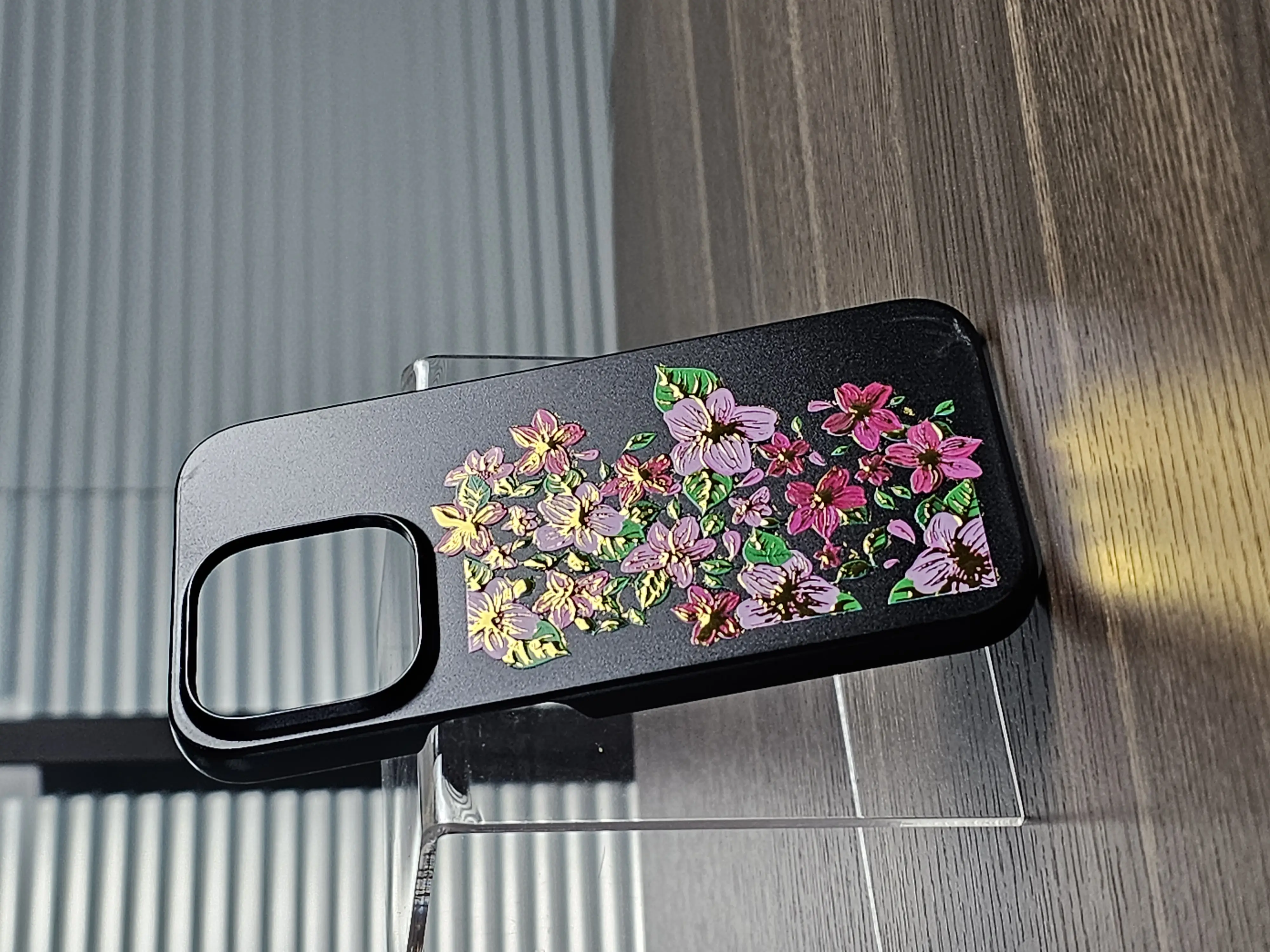
UV flatbed printing provides high-resolution, instant-cure printing on rigid items like phone cases, acrylic cards, and metal plaques. Below, see the UV flatbed printing process in active production and inspect the high-resolution direct-to-object samples.
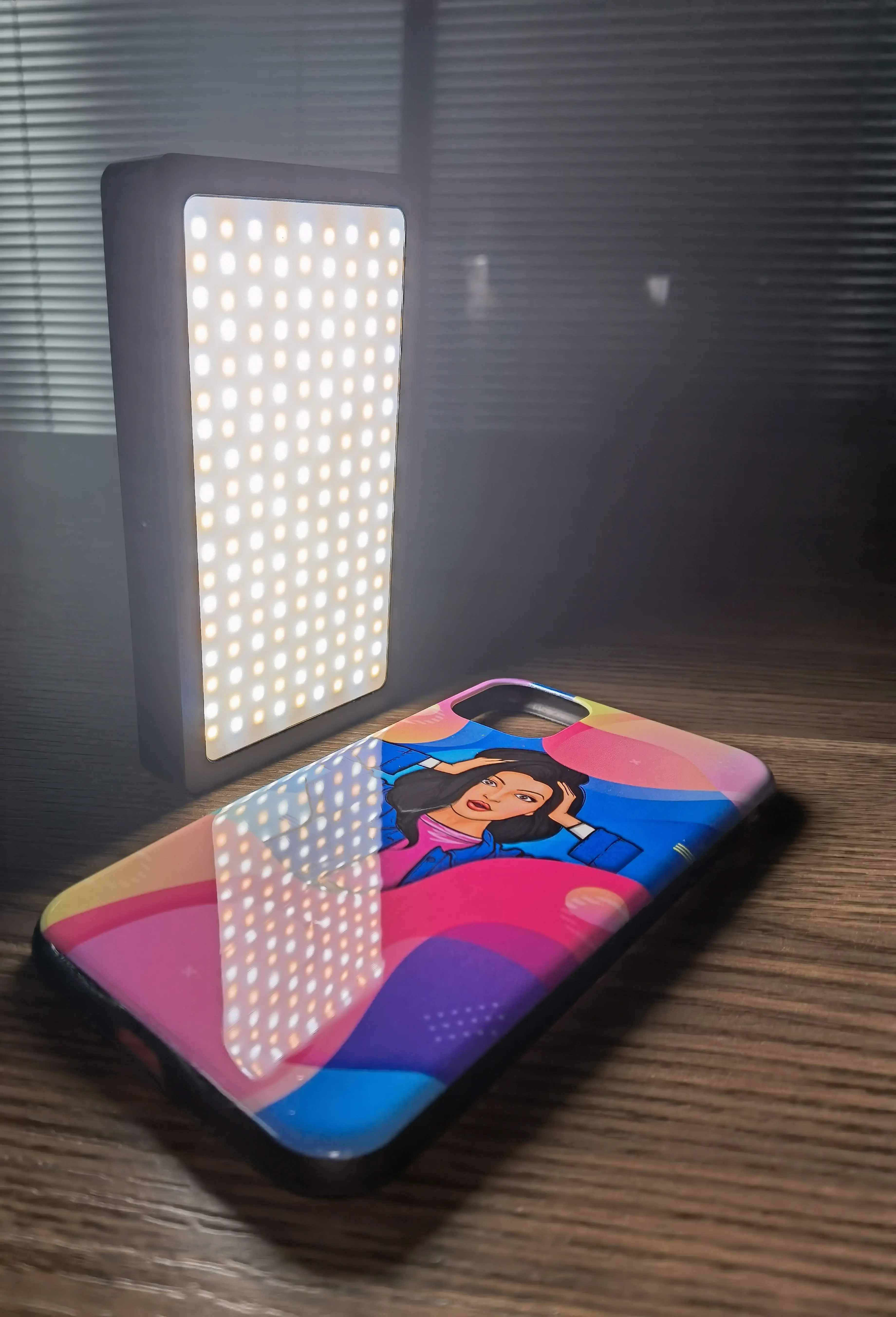
UV Flatbed Print Samples
Note the high-resolution CMYK pigments, opaque white bases, and clear varnish gloss textures printed directly onto flat surfaces:
Section 3: UV Cylinder & UV DTF — Drinkware, Bottles & Crystal Sticker Production
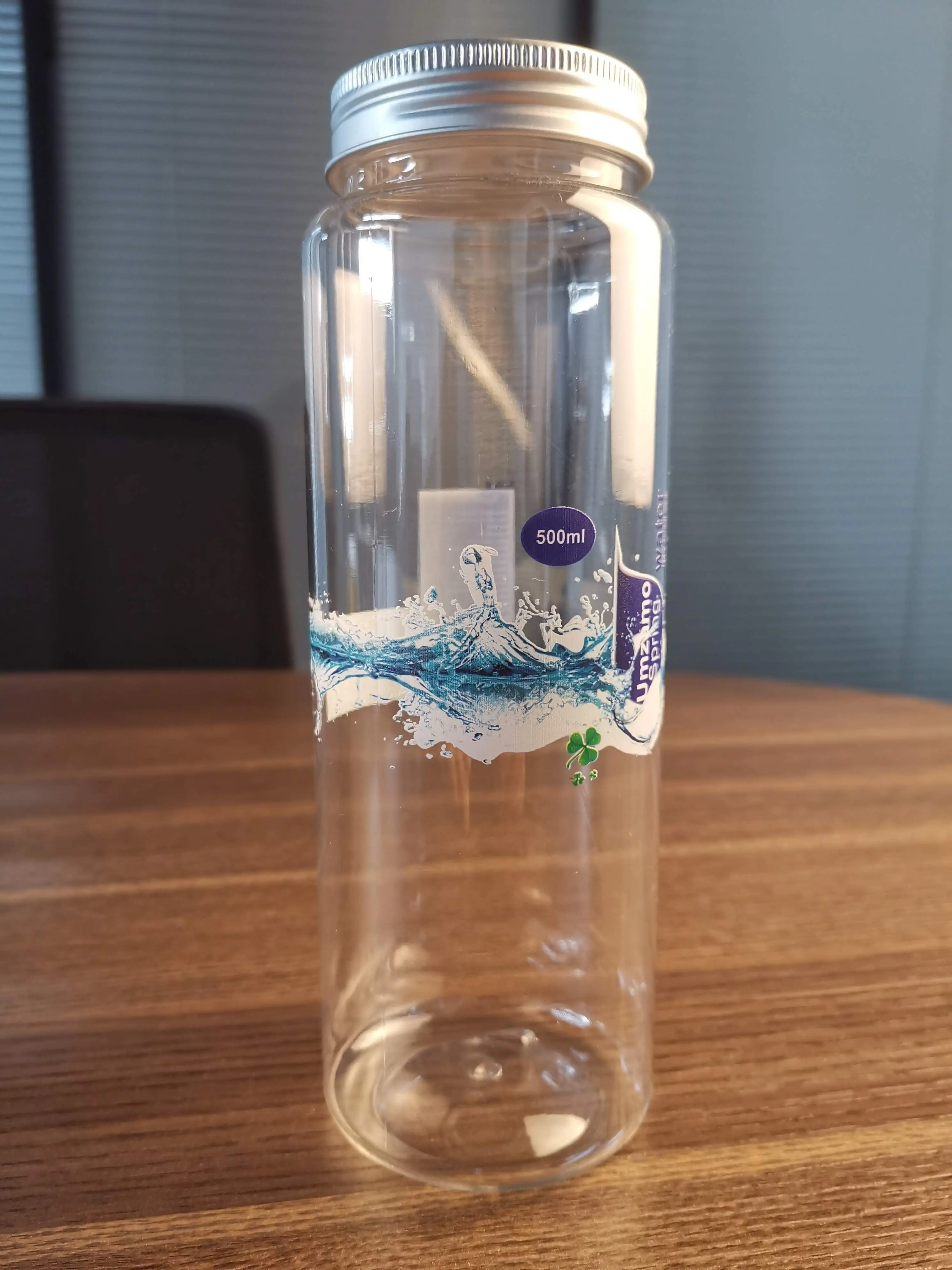
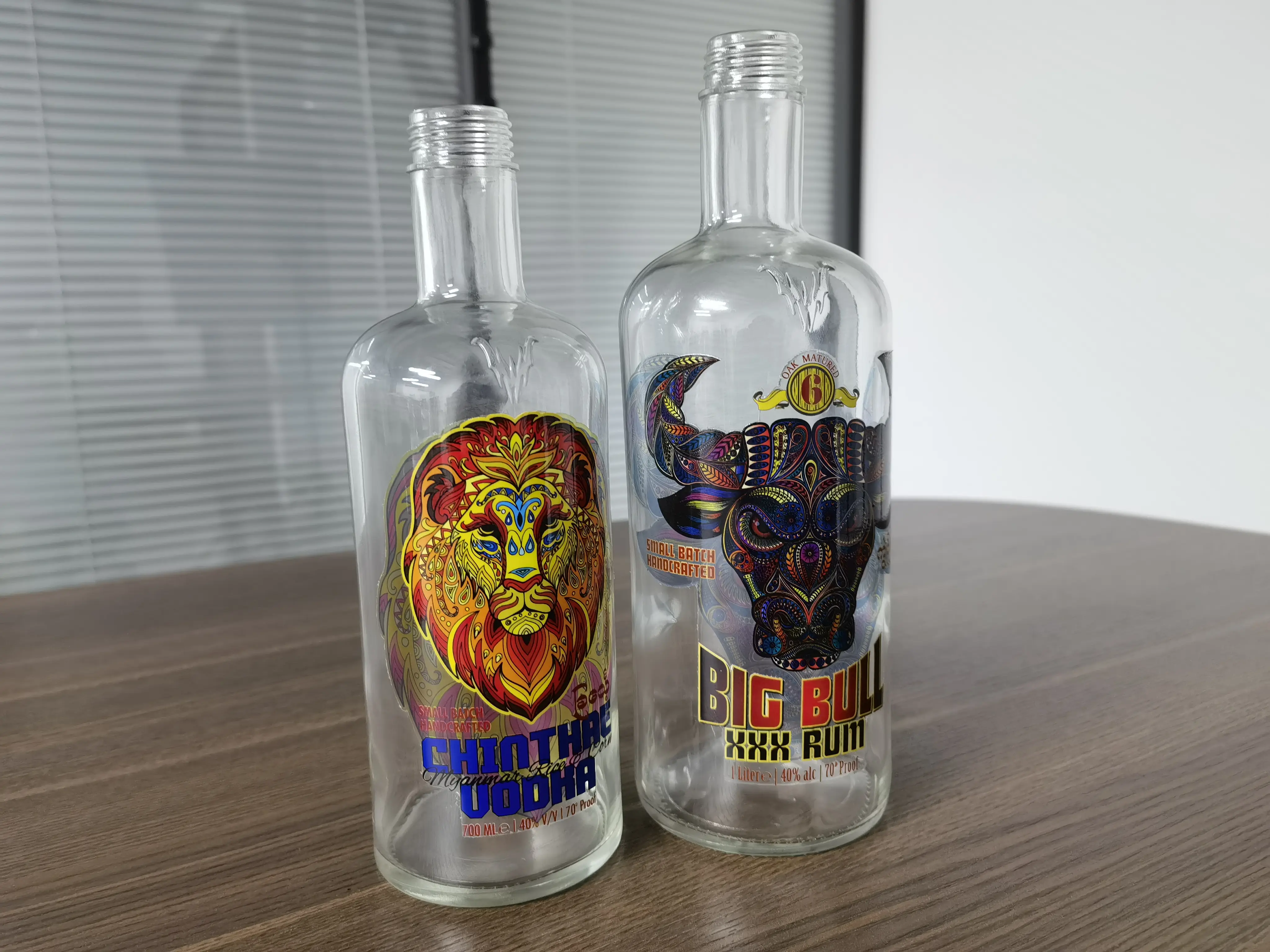
Drinkware customization is a high-demand B2B category. By utilizing a rotary attachment, UV printers can print seamless full-wrap artwork on bottles, flasks, and mugs. For uneven or large surfaces, UV DTF provides a robust, transfer-ready alternative. Review the operation and samples below:
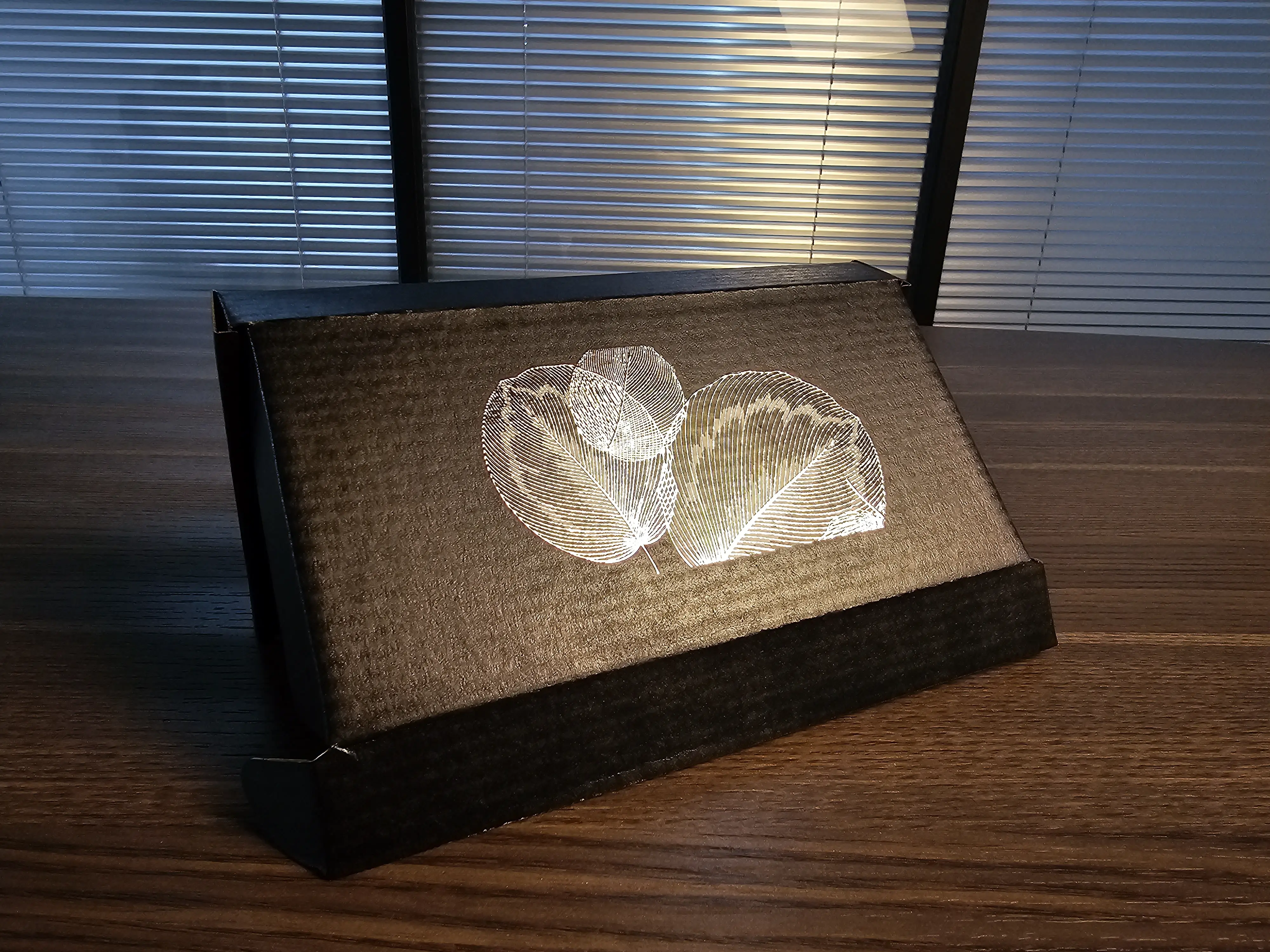
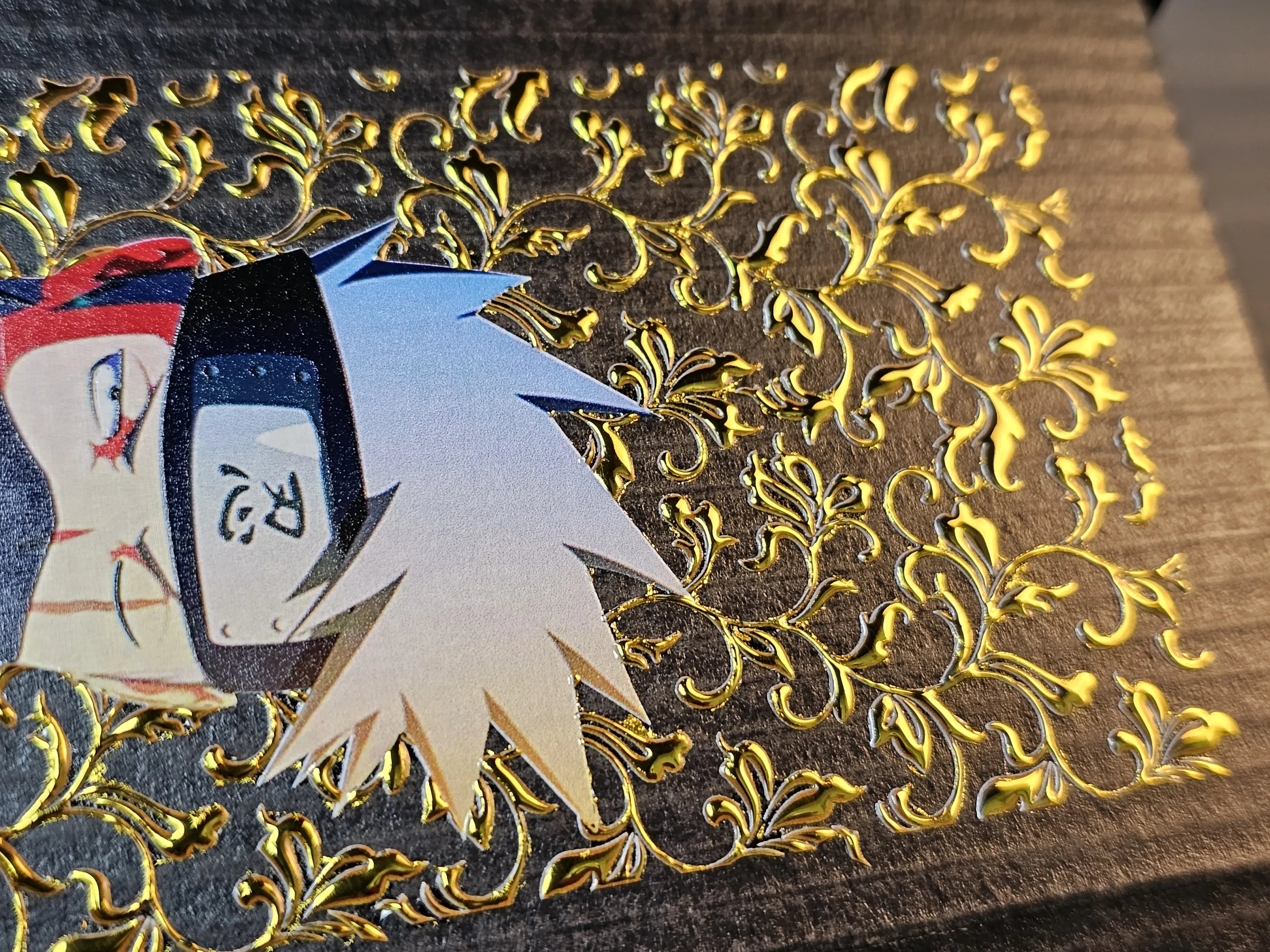
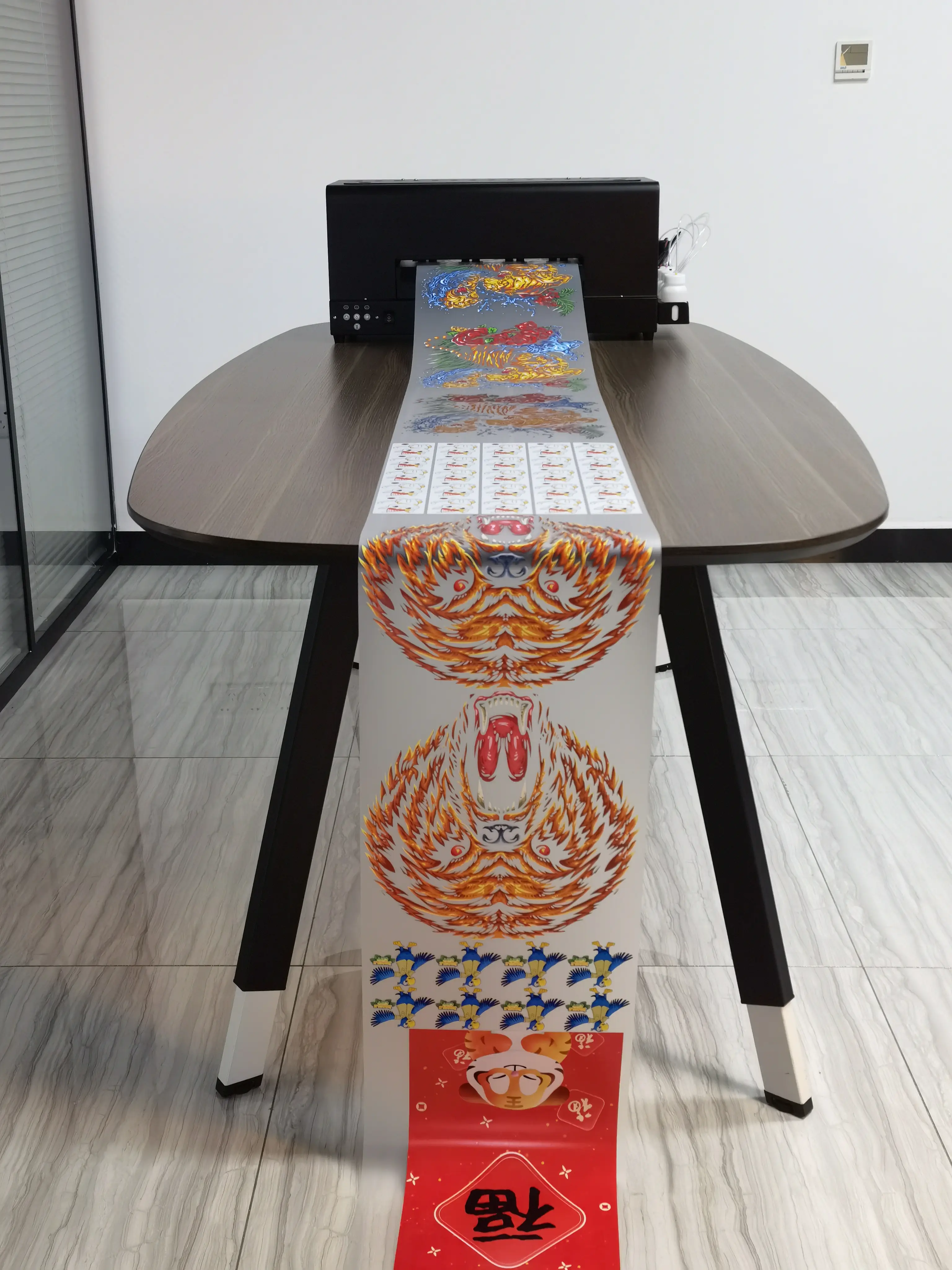
UV DTF Crystal Label Samples
High-end B2B crystal sticker transfers printed with GNFEI UV DTF film and transfer laminates:
Section 4: Sourcing the Right Equipment
Selecting the right machine is the foundation of your print business. Many entry-level converted desktop printers suffer from printhead clogging, alignment errors, and frequent downtime. A professional setup requires a commercial-grade, factory-direct flatbed system.
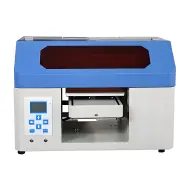
The GNFEI F85V4 A4 UV Printer and GNFEI F35V3 A3 Dual Head UV Printer represent the industry standard for custom startups. Built with heavy-duty components and professional printhead technology, they deliver industrial-grade production at a fraction of the cost of large format industrial printers.
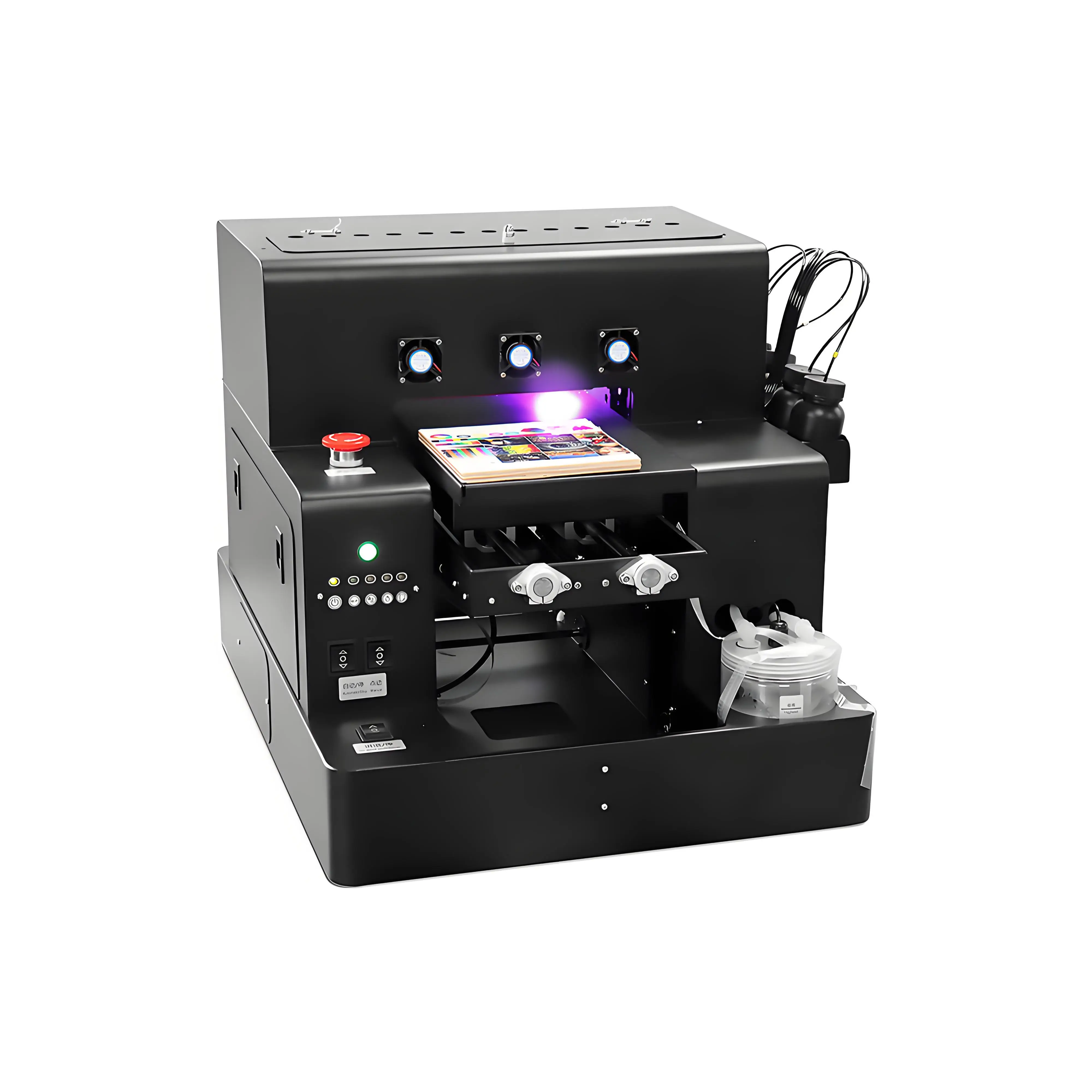
GNFEI F85V4 — A4 LED UV Flatbed & Cylinder Printer
Print directly onto phone cases, acrylic, wood panels, and flat blanks. Instantly install the included rotary cylinder attachment to customize drinkware, tumblers, and bottles. Built with CMYK + White + Varnish capabilities and automatic height adjustment.
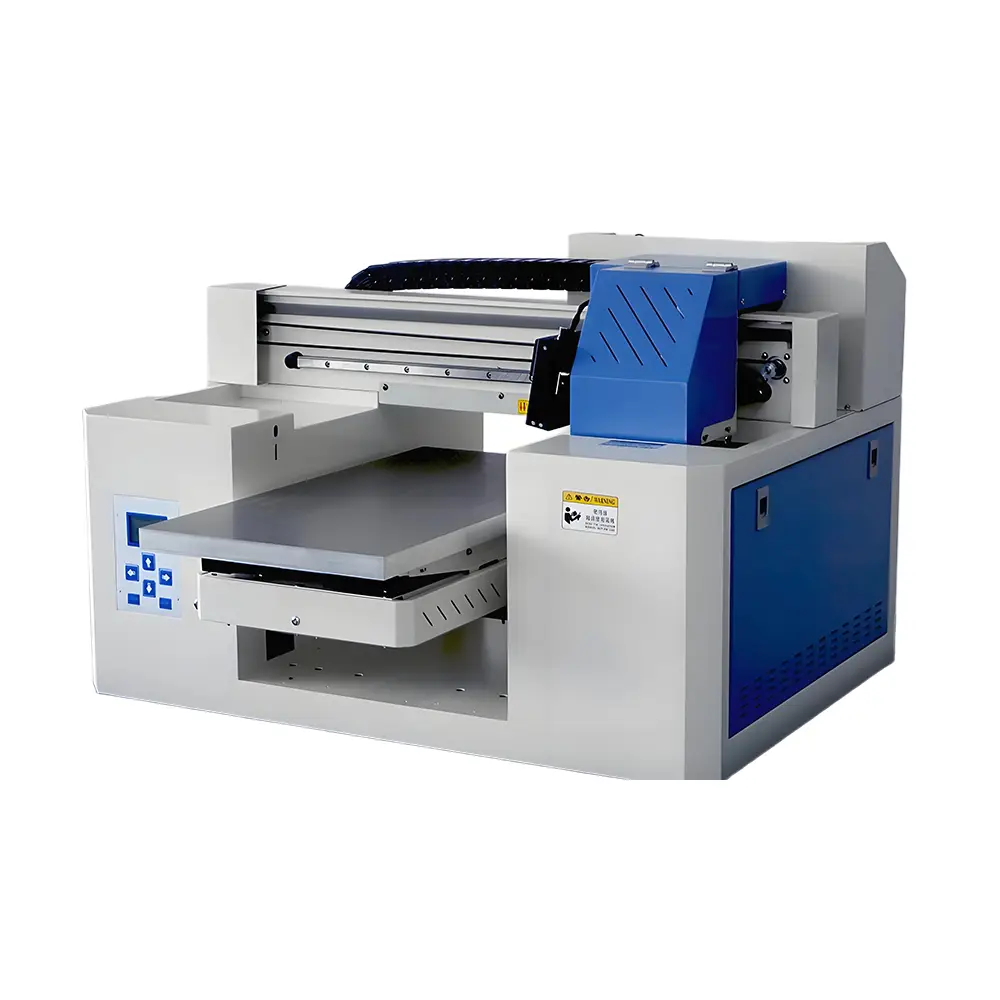
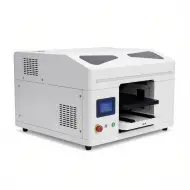
GNFEI F35V3 — A3 Dual Head UV Printer (Rotary & UV DTF)
A professional industrial-grade A3 UV printing system. Equipped with dual Epson printheads to print white and color layers simultaneously for double the production speed. Integrated vacuum bed prevents film warping, making it perfect for high-volume UV DTF crystal stickers.
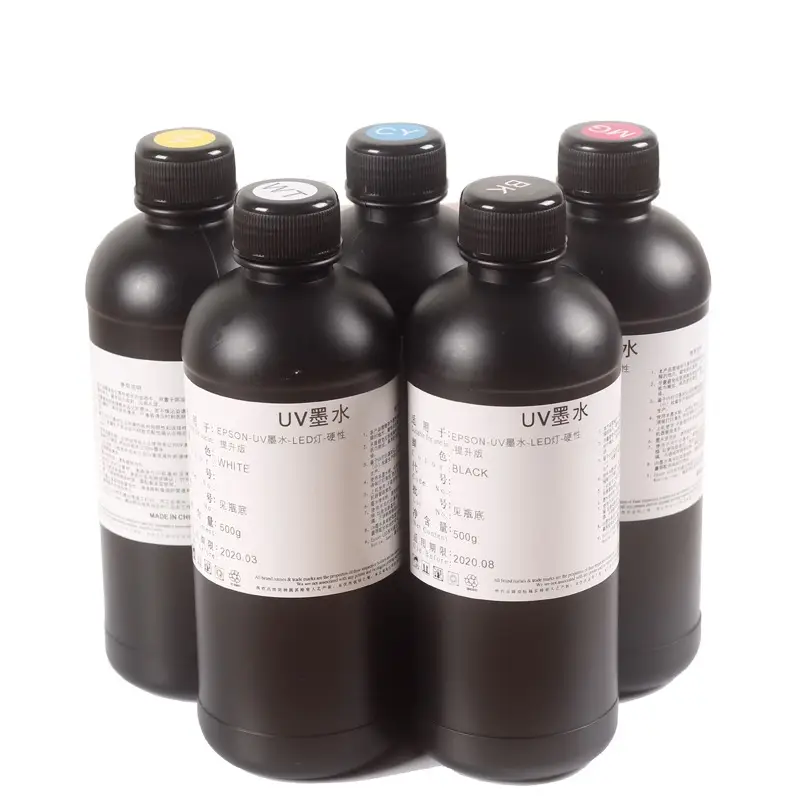
Premium LED UV Ink & Consumables
Formulated specifically for Epson-based printheads. GNFEI high-density LED UV ink delivers vibrant colors, opaque white bases, and gloss varnish embossed effects. Sourced direct along with premium UV DTF transfer films, cleaning solutions, and spare parts.
Section 5: UV Printing Startup Cost Analysis (2026)
One of the biggest advantages of an in-house UV printer setup is the low capital entry barrier. Unlike massive industrial screens or expensive format printers, you can set up a full commercial workspace in a home studio, garage, or back room for under $2,500.
| Startup Item | A4 Setup (Budget) | A3 Pro Setup (High-Speed) |
|---|---|---|
| Primary UV Printer | $1,400.00 (F85V4 Model) | $2,400.00 (F35V3 Model) |
| RIP Software License | $0.00 (Included Perpetual License) | $0.00 (Included Perpetual License) |
| UV Ink Set (Initial) | $120.00 (500ml CMYK+W+V Pack) | $180.00 (1000ml CMYK+W+V Pack) |
| UV Adhesion Primer | $30.00 (Starter Pack) | $30.00 (Starter Pack) |
| Sheet / Roll Laminator | $0.00 (Not required for flatbed) | $150.00 (For UV DTF stickers) |
| Substrate Blanks (Starter) | $150.00 (Cases, acrylic blanks, mugs) | $200.00 (Mugs, tumblers, wood sheets) |
| PC / Laptop (Windows) | $300.00 (Basic design PC) | $300.00 (Basic design PC) |
| Accessory & Cleaning Kit | $50.00 | $80.00 |
| Total Setup Cost | $2,050.00 | $3,340.00 |
Section 6: ROI & Profit Model — UV Printing Business 2026
The math behind custom object printing is incredibly strong. Because customers value custom designs, personalized names, and instant production, they are willing to pay premium prices. Let's analyze a single high-margin item: a custom printed phone case or acrylic keepsake.
| Product Detail | Custom Phone Case | Acrylic Keepsake / Award |
|---|---|---|
| Blank Substrate Cost | $2.50 (Standard TPU/PC case) | $3.50 (Blank crystal acrylic) |
| Ink & Power Cost (Full Area) | $0.80 (CMYK + White underbase + Varnish) | $0.95 (CMYK + White + Varnish) |
| Prep & Primer Cost | $0.00 (No primer needed on TPU) | $0.15 (UV Adhesion Primer) |
| Labor & Electric | $0.50 | $0.50 |
| Total Cost of Goods (COGS) | $3.80 | $5.10 |
| Average Selling Price (Etsy/Retail) | $18.50 | $25.00 |
| Net Profit Margin per Piece | $14.70 | $19.90 |
Breakeven & Monthly Income Projections
Let's assume three scenarios of operational scale utilizing the entry-level A4 F85V4 printer ($1,500 investment) and selling custom phone cases:
| Operational Scenario | Daily Units Sold | Daily Net Profit | Monthly Net Profit (25 Days) | Payback Period (Payback $1,500) |
|---|---|---|---|---|
| Starter / Part-Time | 10 pieces | $147.00 | $3,675.00 | 10.2 Days |
| Mid-Scale Shop | 25 pieces | $367.50 | $9,187.50 | 4.1 Days |
| Professional / Bulk Scale | 50 pieces | $735.00 | $18,375.00 | 2.0 Days |
Section 7: B2B Marketing Strategy for UV Printing Businesses
While selling individual personalized items on Etsy is a solid start, the most lucrative route is selling bulk printed items directly to corporate buyers and local businesses. Here are four high-volume marketing strategies for 2026:
-
Corporate Gift & Branding Partnerships
Partner with local corporations, event planners, and HR teams. Offer customized employee welcome packs, including branded tumblers, notebook covers, pens, and wireless chargers. UV flatbeds handle these rigid items in bulk with zero setup costs.
-
E-Commerce & Print-on-Demand (POD)
List personalized acrylic photo blocks, custom phone cases, and laser-engraved wooden gifts on platforms like Amazon Handmade, Shopify, or Etsy. By printing on-demand, you carry zero pre-printed inventory.
-
Promotional Product Wholesale Supply
Focus on high-frequency giveaways. Target local businesses like realtors, dental offices, and gyms. Supply custom UV-printed USB flash drives, acrylic keychains, pens, and bottle openers with fast 48-hour turnarounds.
-
Local Kiosk & Live Customization
Partner with boutique retail stores, wedding coordinators, or local event markets. Offer live personalization where customers can send a photo via mobile and watch it print onto a phone case, mug, or tumbler in under 3 minutes.
Section 8: Frequently Asked Questions — UV Printing Business
1. What substrates can a UV flatbed printer print on?
UV flatbed printers can print on virtually any rigid or semi-rigid material. This includes acrylic, wood, metals (aluminum, brass, steel), glass, ceramic tiles, stone, leather, PVC, ABS, and PC plastics. For glass and bare metal, a light coat of UV primer is recommended to ensure scratch-resistance.
2. What is the minimum investment required to start?
A starter package with the GNFEI F85V4 A4 UV printer costs around $1,400. Factoring in ink, primer, blank substrates, and accessories, the total setup cost is approximately $2,050 to $2,280, making it highly accessible for home-based startups.
3. What is the difference between direct UV flatbed and UV DTF?
Direct UV flatbed printing applies ink directly onto the object's surface. UV DTF (Direct-to-Film) prints ink and varnish onto a transfer film, laminates it, and allows you to peel and stick it onto any object. UV DTF is ideal for irregular, curved, or large items that do not fit inside the printer platen.
4. Does the software require a monthly subscription?
No. Every GNFEI UV printer ships with a perpetual license for RIP (Raster Image Processor) software. The RIP software controls color, white ink underbase layers, varnish channels, and cylinder rotation settings without any monthly fees.
5. How durable are UV printed items under washing and handling?
Extremely durable. UV ink is cured instantly by ultraviolet LED lamps, creating a chemically cross-linked polymer film that resists scratching, water, and daily handling. Printed drinkware can withstand hand washing, while flatbed prints on wood or metal will last for years.
6. Can the F85V4 print on coffee mugs and water bottles?
Yes. The F85V4 comes with an integrated rotary cylinder attachment. This attachment accommodates cylindrical objects with a diameter between 2 cm and 11 cm, making it perfect for custom mugs, beer bottles, stainless steel tumblers, and thermal flasks.
7. What daily maintenance is required for a UV printer?
Basic maintenance is simple but crucial. It involves running a 2-minute nozzle check print at the start of the day, and checking that the white ink circulation system is running (GNFEI printers have this built-in automatically to prevent white pigment settlement).
8. How long does shipping take and what warranty is provided?
GNFEI ships directly from our factory via DHL/FedEx/UPS with delivery in 3 to 7 business days worldwide. We offer a 12-month manufacturer warranty on all hardware components (excluding the printhead nozzles) and lifetime remote technical support.