How to Start a T-shirt Printing Business in 2026 — Equipment, Costs & ROI
How to Start a T-shirt Printing Business — Equipment, Costs & ROI
The custom apparel industry is projected to reach unprecedented growth by 2026, driven by online e-commerce brands, corporate merchandise, and customized streetwear lines. For entrepreneurs entering this space, choosing the right digital printing technology is the difference between struggling with high production costs and securing vertical integration with massive profit margins.
Section 1: Direct-to-Garment (DTG) vs. Direct-to-Film (DTF) Solutions
Historically, T-shirt printing was dominated by screen printing, which required high setup costs and minimum order quantities. Today, digital technology enables printing on demand with zero MOQs. The two main digital printing methodologies are **Direct-to-Garment (DTG)** and **Direct-to-Film (DTF)**.
Understanding the differences between these two solutions is essential for selecting the equipment that aligns with your business model:
Direct-to-Garment (DTG)
Prints textile pigment inks directly onto cotton fabrics. The ink bonds with the fibers, yielding a soft, breathable finish.
- Best for: 100% cotton shirts, light garments, vintage soft-hand textures.
- Pros: Zero print feel on white fabrics, premium retail presentation, breathable prints.
- Cons: Requires pretreatment on dark fabrics, limited to high-cotton blends.
Direct-to-Film (DTF)
Prints design onto a PET transfer film, applies hot-melt adhesive powder, and heat-presses it onto the fabric.
- Best for: Polyester, nylon, canvas, sleeves, neck labels, caps, and jackets.
- Pros: No pretreatment required, vibrant colors, works on any fabric color or material.
- Cons: Slight plastic texture feel, requires powder-shaking and curing steps.
The Ultimate Solution: A3 DTG & DTF 2-in-1 Combo Printer
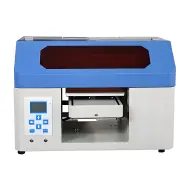
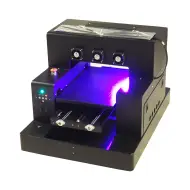
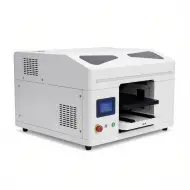
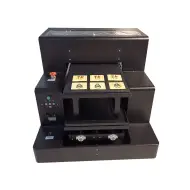
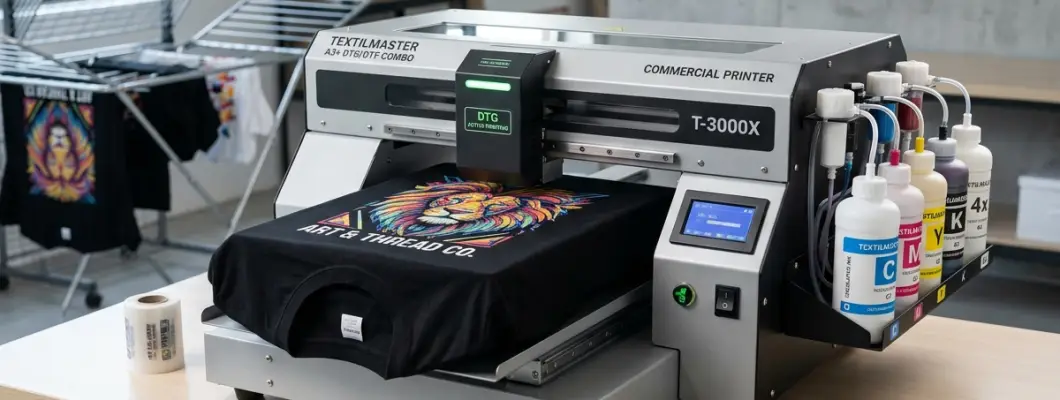
Instead of choosing one technology, modern startups rely on a **hybrid combo system**. The GNFEI A3 DTG & DTF Combo Printer features a interchangeable platen and film tray, allowing operators to print DTG on cotton garments and switch to DTF for polyester hoodies, canvas tote bags, or hats using a single compact machine.
Essential Accessory Checklist for DTG & DTF
To launch your custom T-shirt printing production, the primary printer is only the first step. You must equip your workspace with the correct accessories and consumables to complete the printing and curing workflow:
For DTG Printing, you will need:
- Flatbed Printer: Flatbed DTG printer with clothing platen.
- Heat Press Machine: Flatbed press (15x15 inches or larger) to cure pretreatment and ink.
- Textile Ink: High-density DTG textile pigment inks (CMYK + White).
- Pretreatment Liquid: Liquid coating required for white ink adhesion on dark cotton.
- Spray Bottle or Pretreatment Machine: To apply pretreatment liquid evenly on cotton fabrics.
For DTF Printing, you will need:
- DTF Printer: Roll-to-roll or flatbed DTF film printer.
- Heat Press Machine: Flatbed press to transfer the cured film onto garments.
- DTF Ink: High-stretch elastic transfer inks (CMYK + White).
- DTF Powder: Hot-melt TPU adhesive powder to bond ink to synthetic fabrics.
- DTF Film: Double-sided matte release PET transfer film (sheets or rolls).
Section 1.6: Pros & Cons of DTG vs DTF Printing
Before choosing your equipment package, it is essential to understand the advantages and limitations of each technology. The table below outlines the core pros and cons of DTG (Direct-to-Garment) and DTF (Direct-to-Film) printing methods:
Direct-to-Garment (DTG) Pros & Cons
- Pro: Ultra-Soft Hand Feel – Since ink is printed directly onto the fibers, the final print has almost zero weight and an incredibly soft texture.
- Pro: Superior Breathability – Perfect for summer garments, large chest graphics, and premium organic cotton T-shirts.
- Pro: Direct Flatbed Printing – No intermediate film or powder steps required; simply pretreat and print.
- Con: Cotton-Only Restriction – High-quality results are limited to 100% cotton or high-cotton blends. Not suitable for polyester or nylon.
- Con: Pretreatment Required – Dark cotton fabrics must be pretreated and heat-pressed before printing, which increases production time.
Direct-to-Film (DTF) Pros & Cons
- Pro: Universal Fabric Compatibility – Works beautifully on cotton, polyester, nylon, canvas, denim, performance wear, and leather.
- Pro: No Pretreatment Needed – Saves prep time and labor costs; film is printed directly without fabric spraying.
- Pro: Excellent Color Vibrancy – The TPU powder barrier yields incredibly bright whites and saturated colors on dark fabrics.
- Con: Slightly Heavier Feel – Creates a thin plastic-like film layer on top of the garment, which can feel warmer and less breathable.
- Con: Powder & Curing Steps – Requires applying hot-melt adhesive powder and curing it in an oven or dryer before heat-pressing.
Section 2: DTG (Direct-to-Garment) Operation & Print Samples
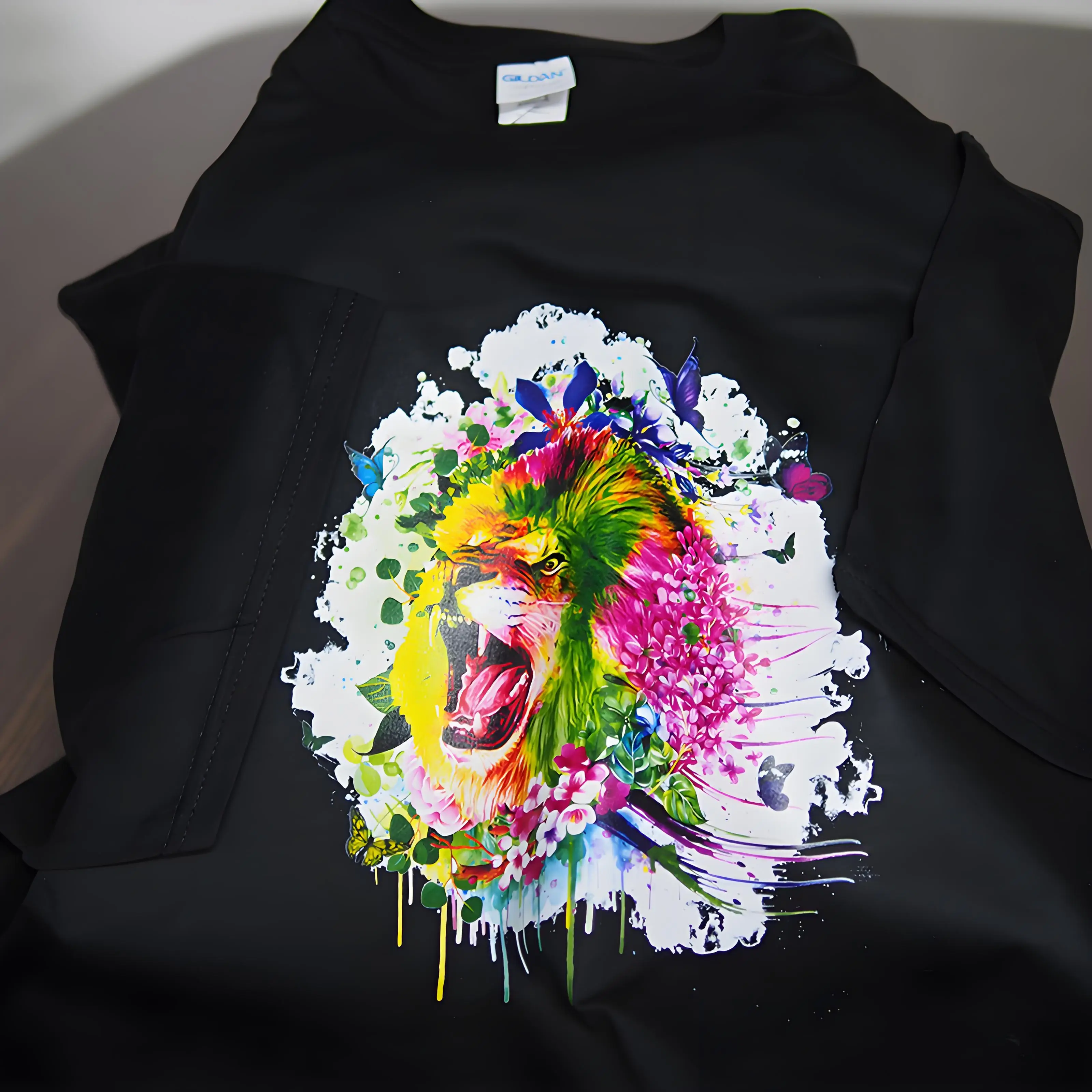
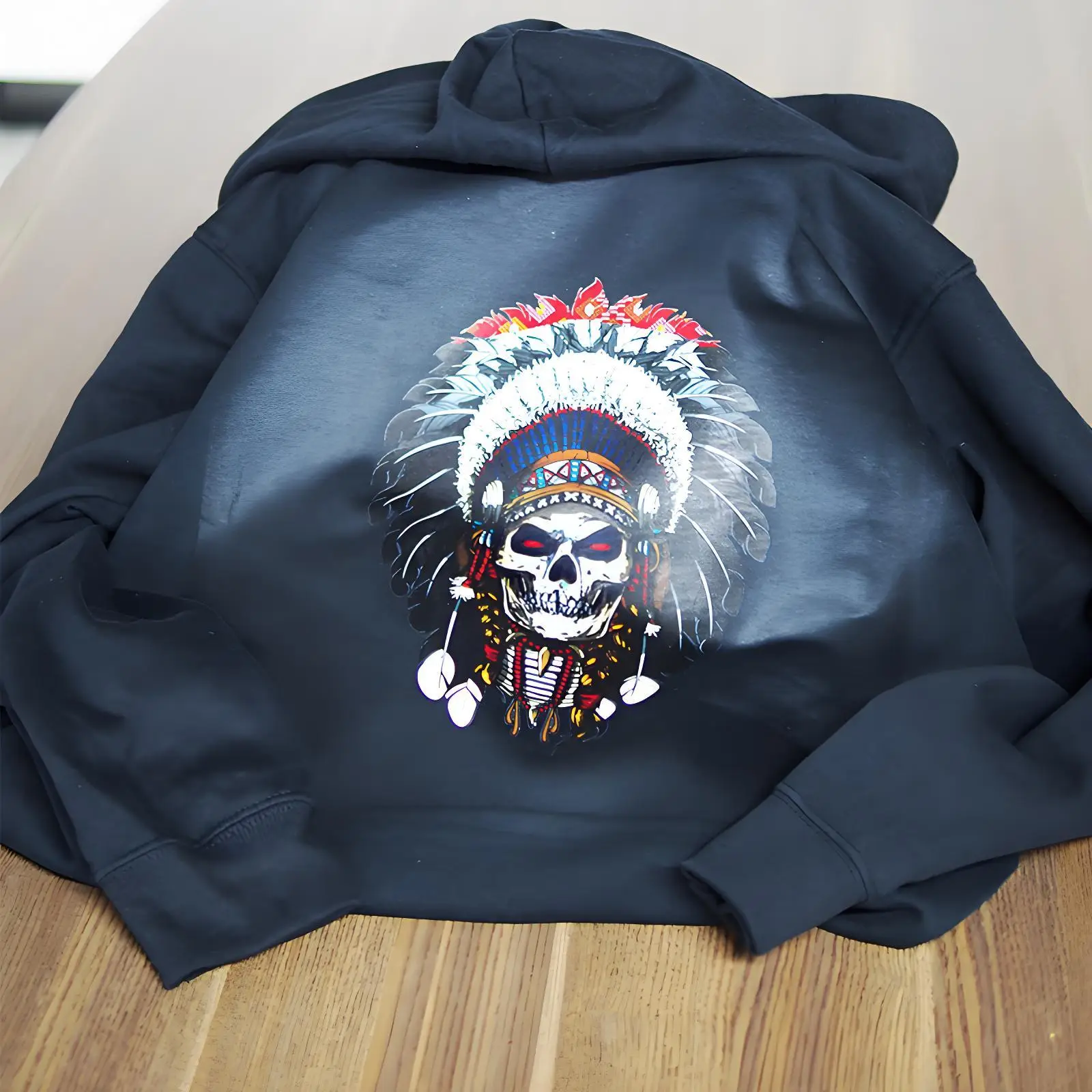
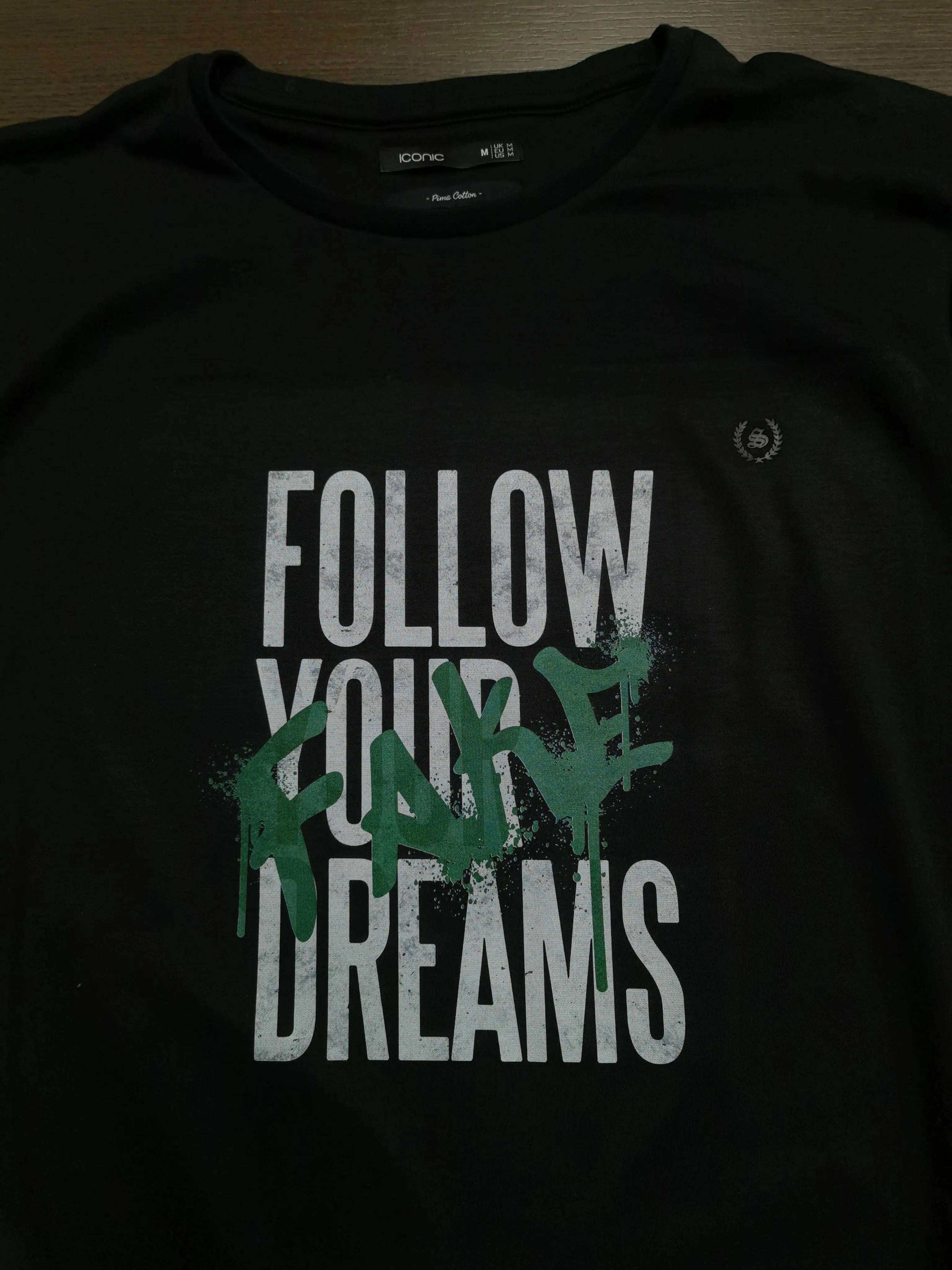
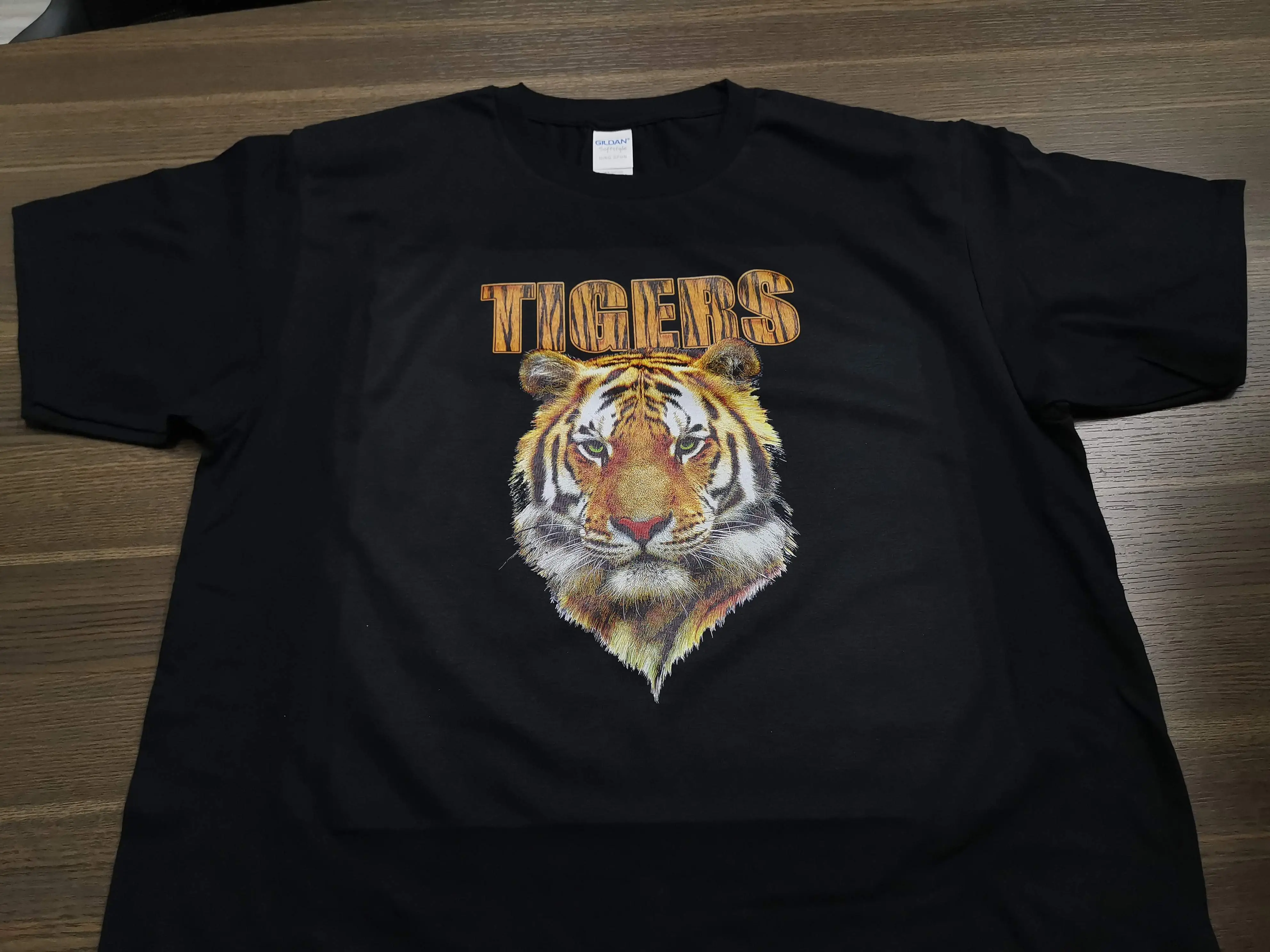
Direct-to-Garment printing provides the highest-end finish for premium custom streetwear brands. Below, watch the DTG printing process in active production and inspect the high-resolution direct-to-cotton print samples.
DTG Fabric Print Samples
Note the seamless blending of white ink underbase and rich CMYK pigments directly on black and colored cotton fabrics:
Section 3: DTF (Direct-to-Film) Operation & Print Samples
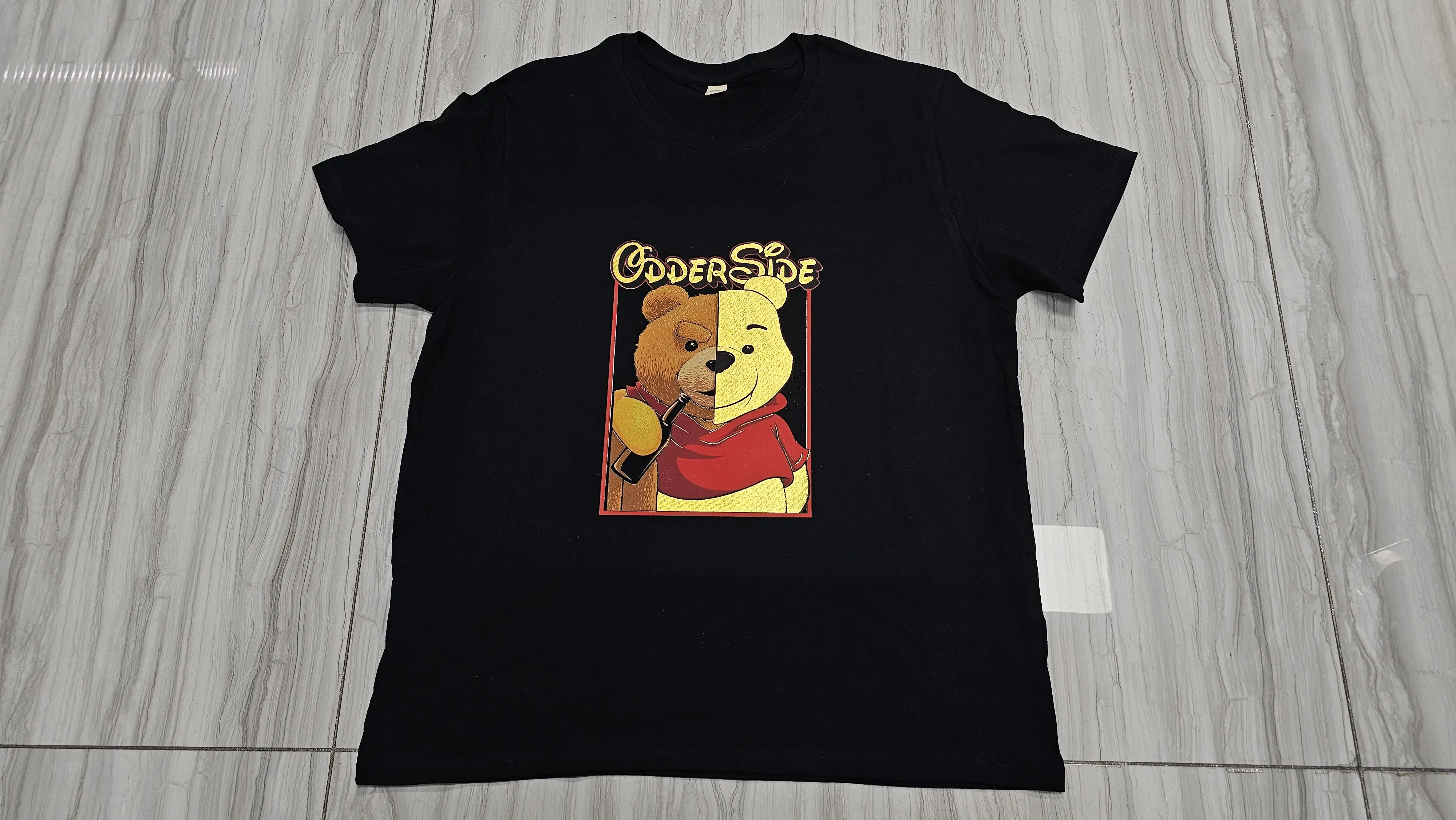
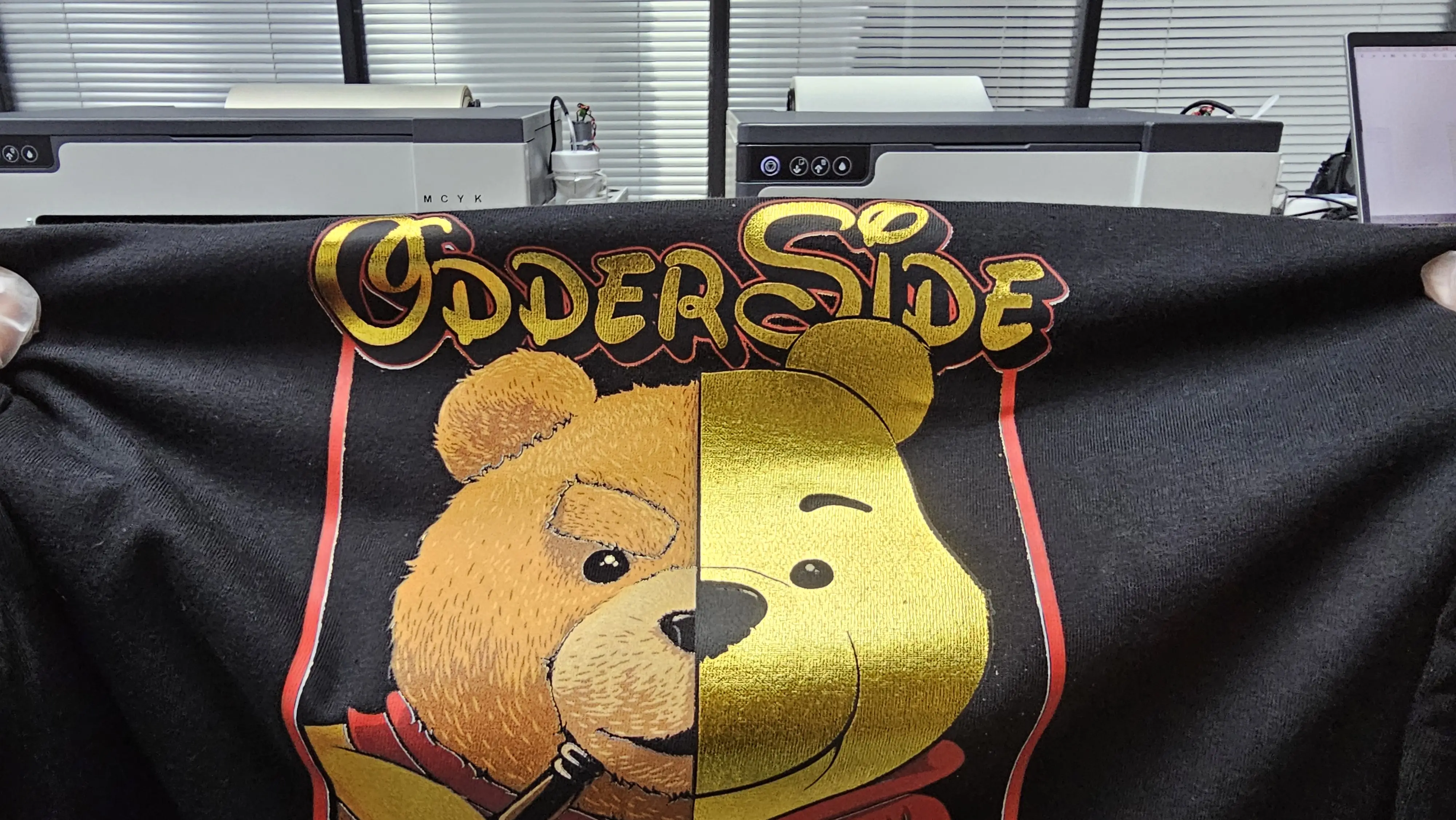
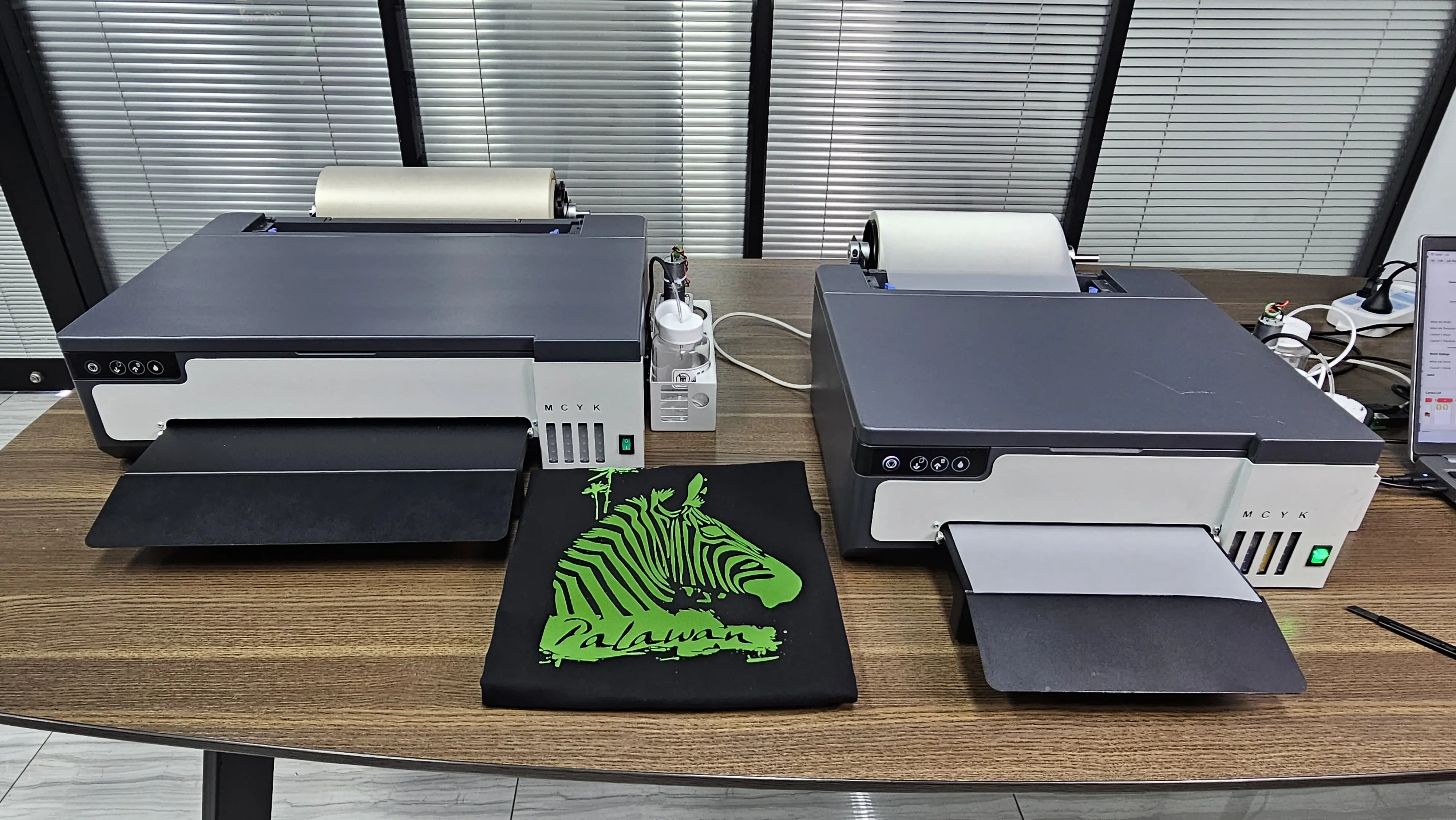
Direct-to-Film transfer printing provides exceptional color vibrancy, wash durability, and fabric versatility. Watch the PET film printing, powder curing, and transfer process in action, and review the final transferred samples.
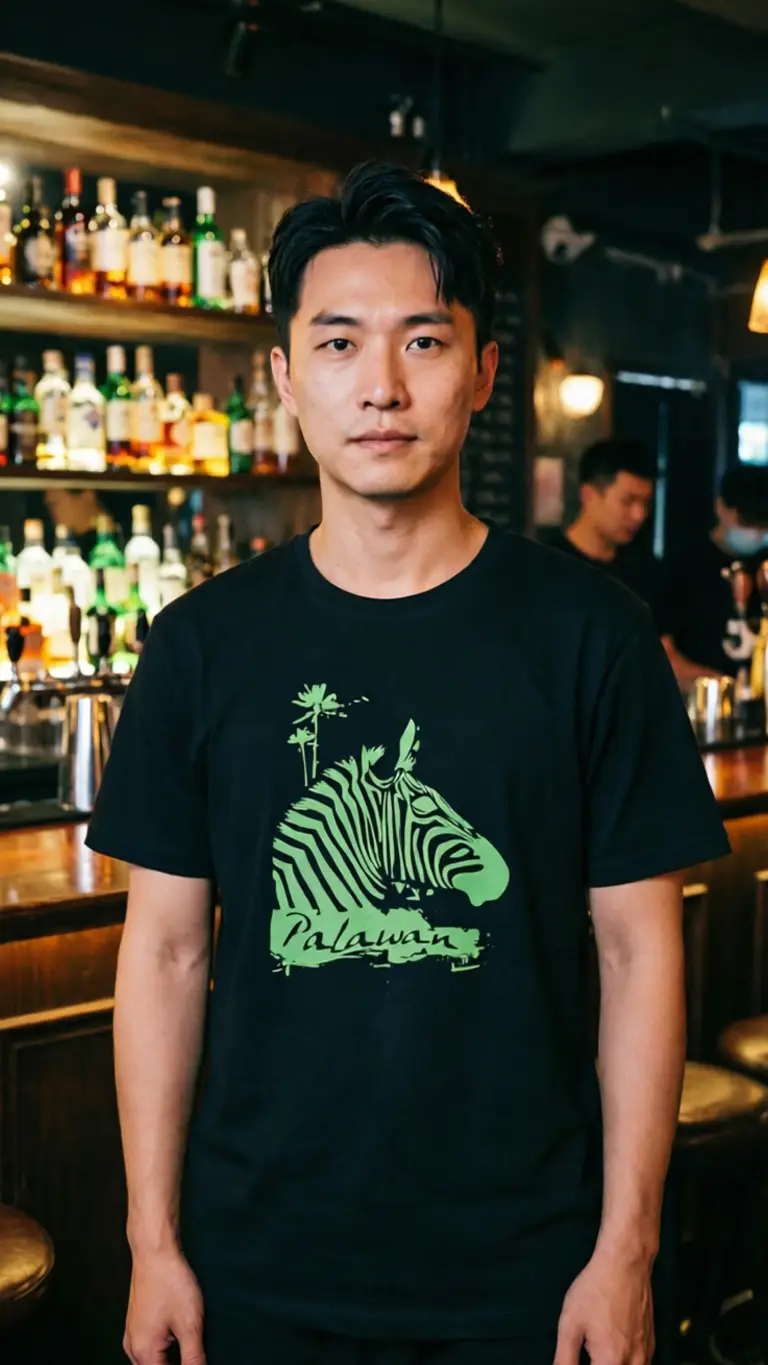
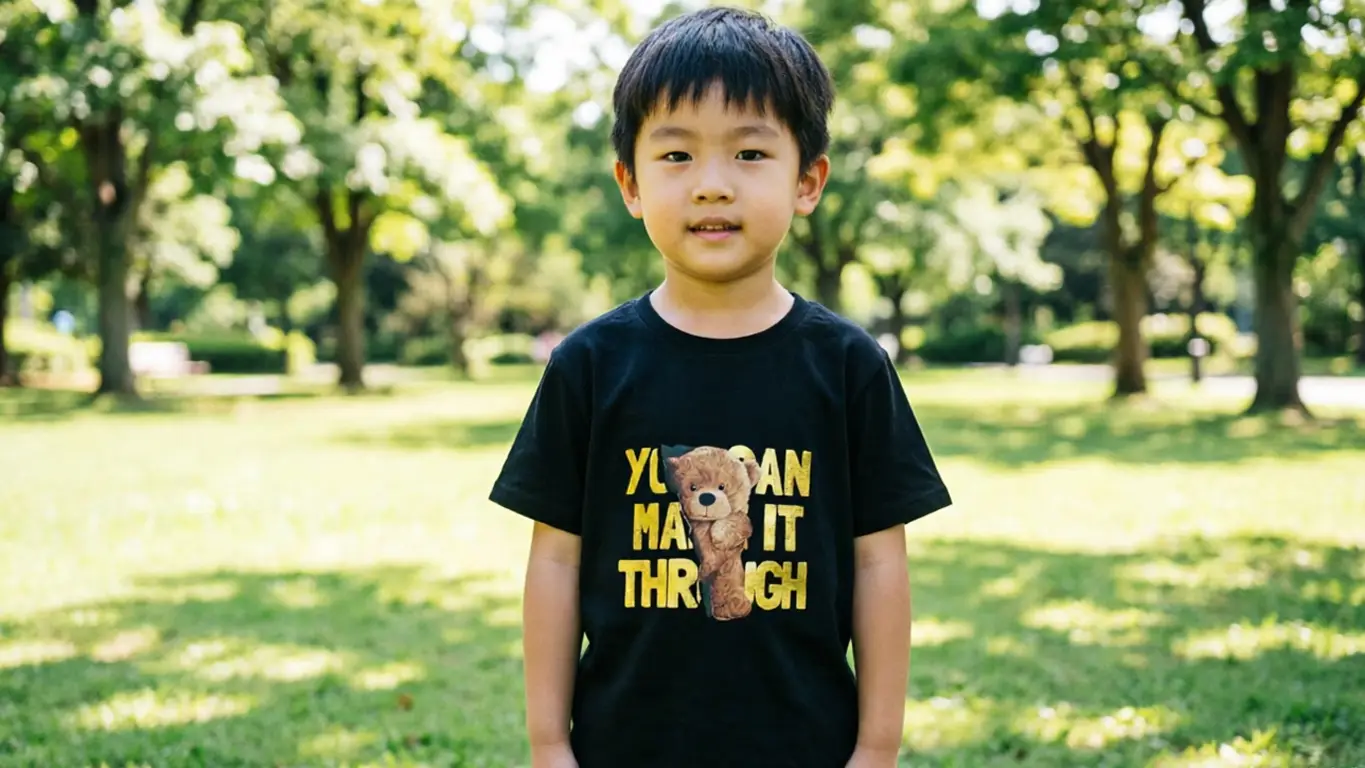
DTF Transfer Print Samples
Observe the solid, crisp edges, and high-stretch durability of the DTF prints on both cotton and synthetic materials:
Section 4: Sourcing the Right Equipment
Selecting the right machine is the foundation of your print business. Many entry-level converted desktop printers suffer from printhead clogging, alignment errors, and frequent downtime. A professional setup requires a commercial-grade, factory-direct flatbed system.
The **GNFEI A3 DTG & DTF Combo Printer (Model F85G3)** represents the industry standard for custom garment startups. Built with heavy-duty components and professional printhead technology, it delivers industrial-grade production at a fraction of the cost of large format industrial printers.
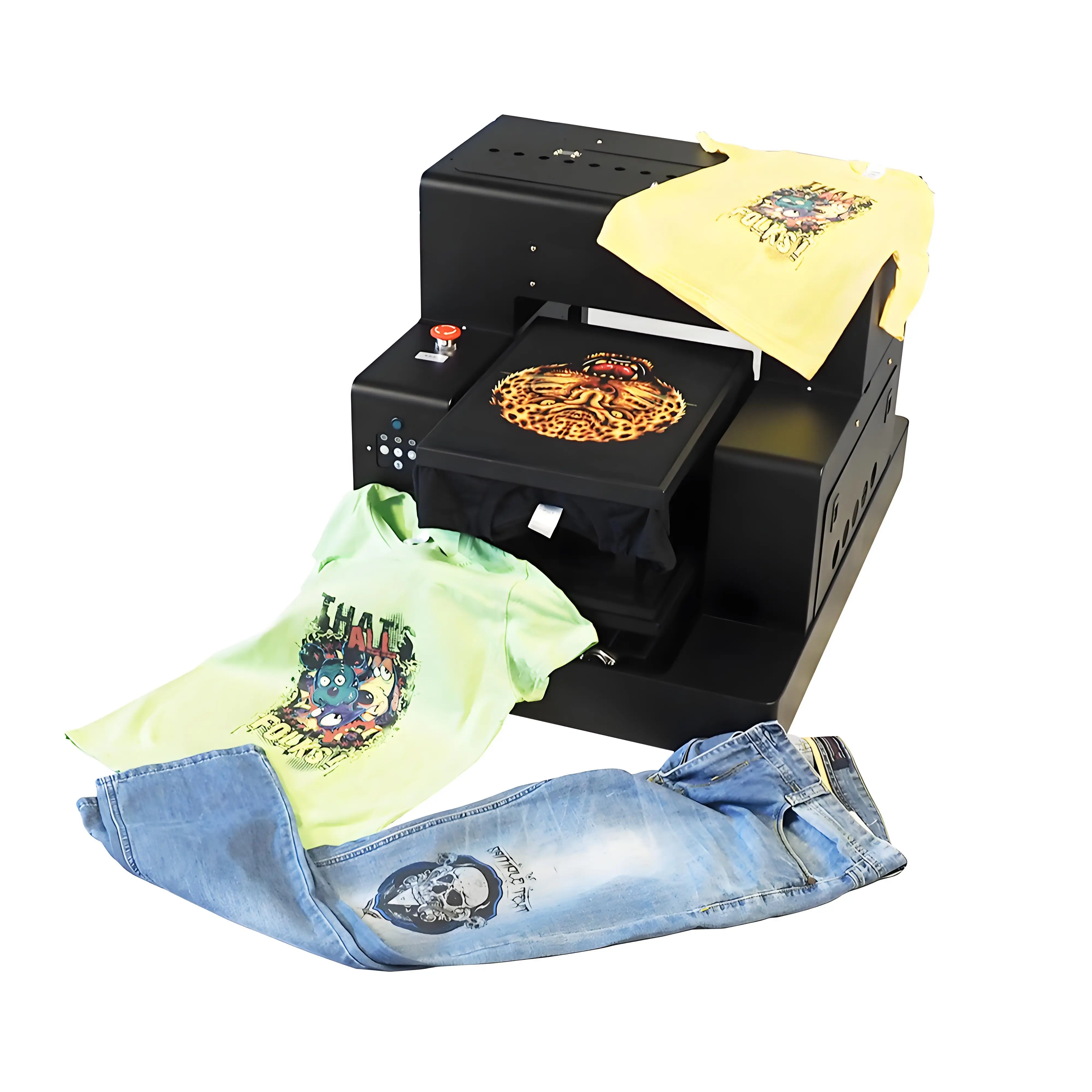
GNFEI A3 DTG & DTF 2-in-1 Combo Printer
Print directly onto 100% cotton garments (DTG) or switch platens to print on transfer film (DTF) for polyester hoodies, canvas bags, and sleeves. Built with a continuous white ink circulation system and infrared height sensors.
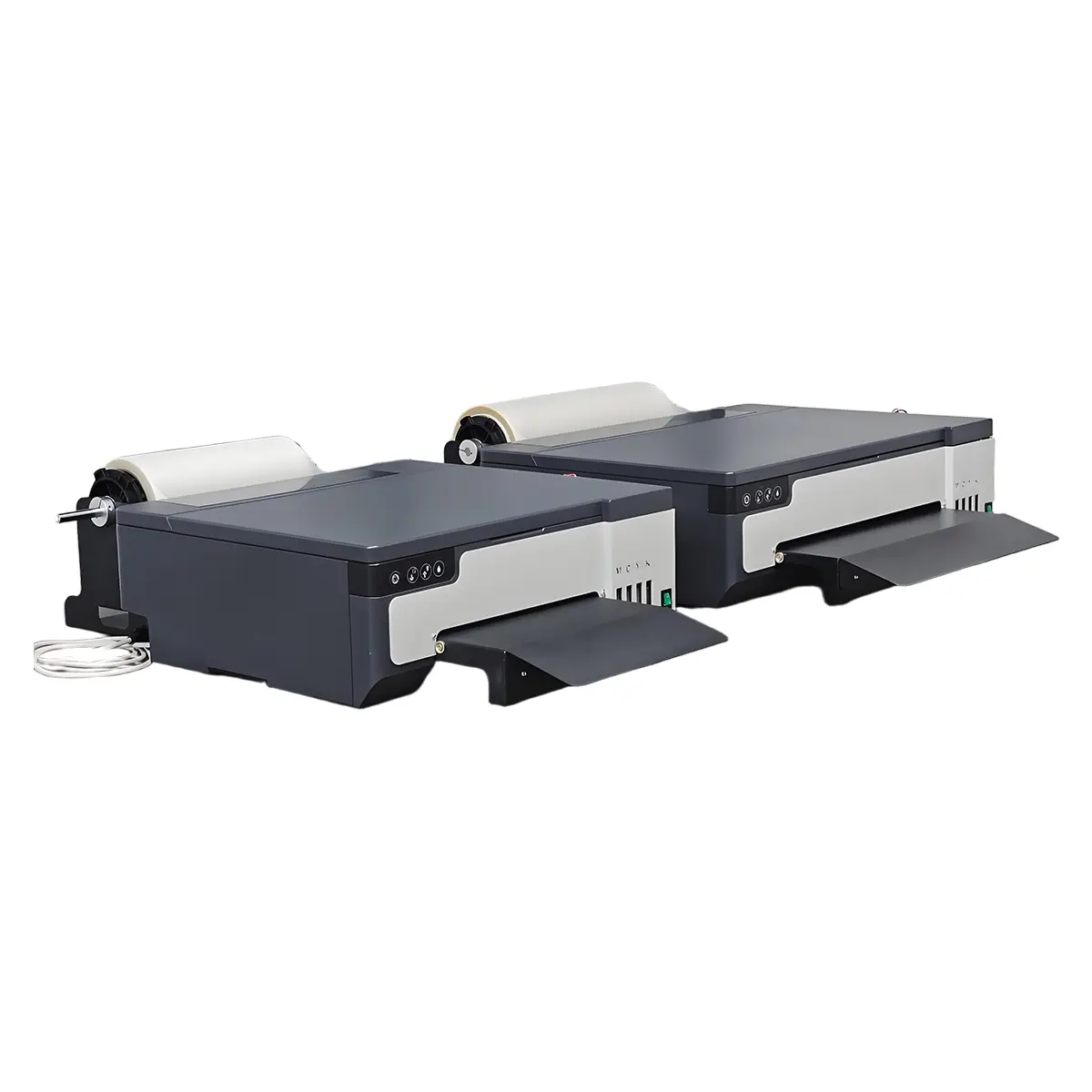
GNFEI A3 Roll DTF Printer (Auto Powder & Dryer)
A heavy-duty 33cm (13 inches) roll-to-roll DTF production system. Features an integrated automatic powder shaker and infrared dryer tunnel. Engineered for clothing brands and custom print shops requiring high-volume transfer sheet output.
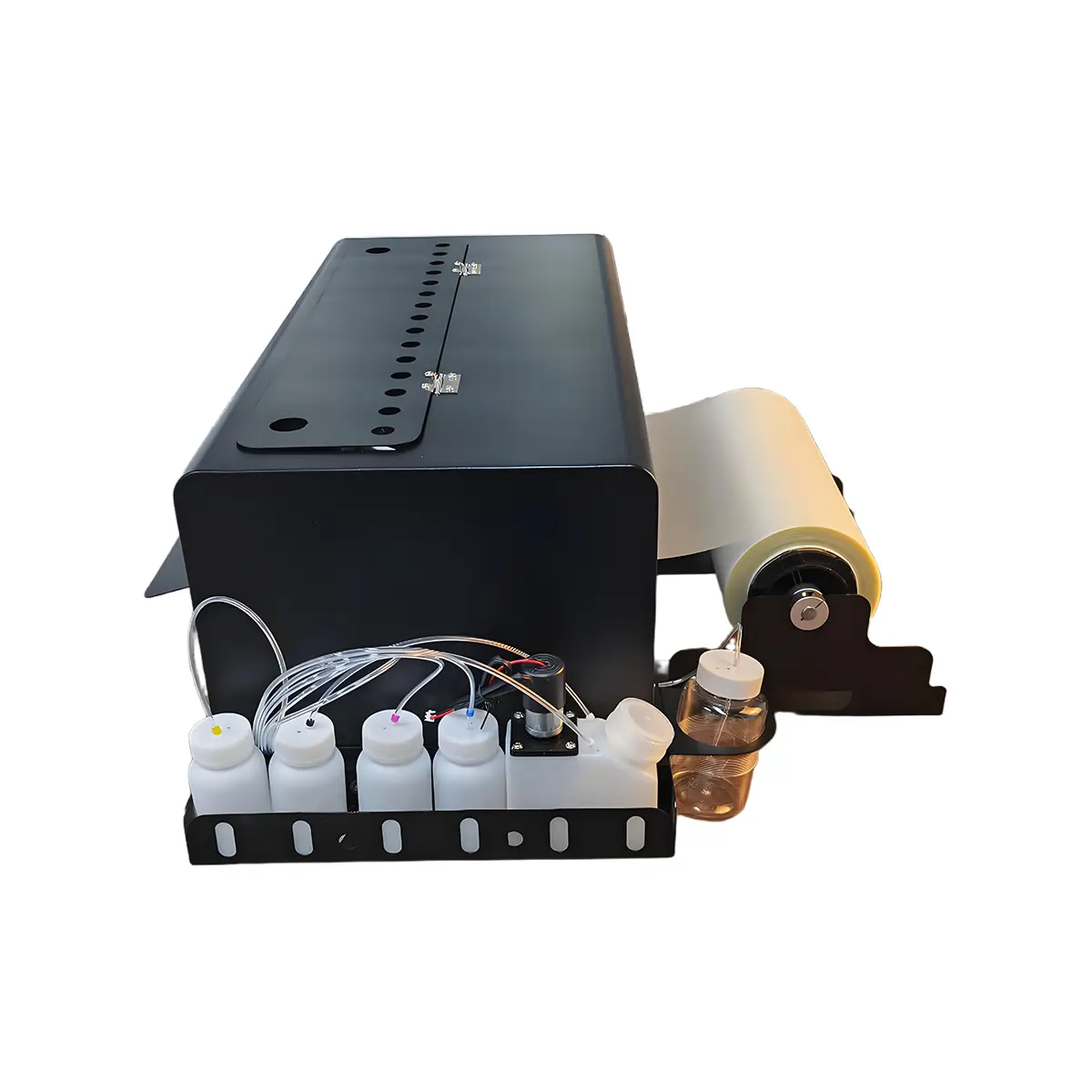
GNFEI A3 Roll DTF T-shirt Printing Machine
A highly budget-friendly, space-saving desktop roll-to-roll DTF printer. Perfect for small home studios and hobbyists starting custom T-shirt brands with a low investment. Requires separate curing oven/manual powdering.
Section 5: Complete Startup Cost Analysis
One of the biggest advantages of an in-house A3 DTG & DTF combo setup is the low capital entry barrier. Unlike massive industrial screens or expensive format printers, you can set up a full commercial workspace in a home studio, garage, or back room for under $2,500.
| Startup Item | Description | Est. Cost (USD) |
|---|---|---|
| Primary Printer | GNFEI A3 DTG & DTF Combo Printer (Model F85G3) (Starting Option) | $1,800.00 |
| RIP Software | AcroRIP 10.3 Garment Edition (Included with printer) | $0.00 |
| Heat Press Machine | 15x15 inches flat clamshell heat press for curing | $250.00 |
| Starter Ink Bundle | 500ml CMYK + 1000ml White Pigment / DTF Ink Pack | $180.00 |
| DTF PET Films | 100 sheets of A3 double-sided transfer sheets | $45.00 |
| DTF Hot Melt Powder | 1kg high-stretch TPU adhesive powder | $25.00 |
| Textile Pretreatment | 1 Gallon of dark cotton pretreatment liquid (for DTG) | $50.00 |
| Blank Cotton T-shirts | Batch of 50 wholesale ringspun cotton blanks for testing | $125.00 |
| Total Setup Cost | Full Production-Ready Workspace | $2,475.00 |
Section 6: ROI & Profit Model
The math behind custom apparel is simple. Because customers value custom designs, brand identity, and on-demand shipping, they are willing to pay premium prices for unique apparel. While outsourcing print-on-demand dropshippers costs $12.00 to $16.00 per shirt, printing in-house slashes your costs to a fraction:
| Expense Item | DTG (Cotton Shirt) | DTF (Polyester/Hoodie) |
|---|---|---|
| Blank Garment (Wholesale) | $2.50 (Standard Cotton Blank) | $5.50 (Premium Hoodie Blank) |
| Ink Consumption (A4 Print) | $1.20 (Pretreatment + CMYK + White) | $0.95 (CMYK + White Ink) |
| Consumables (Film & Powder) | $0.00 (Direct to cotton) | $0.55 (PET sheet + adhesive powder) |
| Labor & Electric | $0.50 | $0.50 |
| Total Cost of Goods (COGS) | $4.20 | $7.50 |
| Average Selling Price (B2B/B2C) | $20.00 (Etsy/Retail) | $35.00 (Streetwear Brand) |
| Net Profit Margin per Piece | $15.80 | $27.50 |
Breakeven & Monthly Income Projections
Let's assume a modest setup where you run the printer for only **2 hours a day** (printing approximately 15 T-shirts or hoodies):
- Daily Volume: 15 custom T-shirts
- Daily Net Profit: 15 pieces × $15.80 = $237.00
- Monthly Net Profit (25 Days): $237.00 × 25 = $5,925.00
- Equipment Breakeven Period: $2,475.00 setup cost ÷ $237.00 daily profit = 10.4 Days
With a payback cycle of less than **13 operating days**, bringing printing in-house is one of the safest and most lucrative upgrades small apparel brands can make.
Section 7: B2B Marketing Strategy
While selling individual shirts on Etsy or Shopify is profitable, the fastest way to scale is B2B orders. Local businesses and organizations place recurring bulk orders with high profit margins:
-
Corporate & Small Business Uniforms
Target local restaurants, cafes, landscaping companies, and gyms. Offer customized logo shirts and hoodies with low minimum orders (e.g. 5–10 pieces) which traditional screen printers refuse to accept.
-
School & Sports Team Merchandise
Design and print club t-shirts, school spirit wear, and sports uniforms. DTF transfers are ideal here because they adhere perfectly to polyester athletic jerseys and stretch without cracking.
-
Custom Heat Transfer Sheets (Wholesale)
Use DTF to print high-resolution sheet gang runs (multiple designs on a single roll). Sell these ready-to-press transfers to local boutique crafters who own basic heat presses but do not own a commercial printer.
Section 8: Frequently Asked Questions
1. Does the F85G3 require daily maintenance?
Like all high-quality pigment and white ink systems, the F85G3 requires basic routine care. To keep the printhead nozzles clear, the printer integrates an automatic white ink circulation pump (WIMS) that keeps white pigments in suspension. We recommend running a quick nozzle check print pattern every 2 days if the printer is idle, and executing a simple 2-minute head clean via software if any lines appear missing.
2. What is the maximum print dimensions on the platen?
The platen accommodates up to A3 dimensions, which is approximately **300 mm × 400 mm** (11.8" × 15.7"). This size is ideal for printing full-front graphics, back layouts, chest logos, or multiple smaller prints on adult, child, and toddler apparel.
3. Can I run the business from my home or apartment?
Yes. The F85G3 is a compact desktop unit with dimensions of 80cm × 70cm × 60cm and draws less than 150W during print operation. Since the water-based textile inks are odorless and eco-friendly, it is safe to operate in small rooms. However, when curing DTF powders with a heat press or oven, ensure the room has good ventilation or a small air filter.
4. What RIP software is compatible with this machine?
Every GNFEI combo printer ships with a pre-loaded, lifetime-licensed version of **AcroRIP 10.3**, optimized with color profiles specifically calibrated for garment pigment inks. The software runs on Windows 7, 10, and 11, allowing you to import transparent PNGs, TIFFs, or PSDs and configure color and white base channels in seconds.
5. What fabric types are compatible with DTG vs DTF printing?
DTG is designed specifically for cotton garments (100% cotton or high-cotton blends) where the ink absorbs directly into natural fibers. DTF is fabric-agnostic and can be transferred onto polyester, nylon, canvas, rayon, spandex, and dark or light synthetic materials since it relies on a hot-melt TPU powder adhesive layer.
6. What is the average ink cost per printed T-shirt?
The ink cost depends on the size of the graphic and the color of the T-shirt. Light shirts (CMYK only) cost around $0.25 to $0.40 per print. Dark garments that require a white ink underbase cost between $0.90 and $1.20 in ink. This makes in-house printing extremely profitable compared to outsourcing print-on-demand.
7. How long does the DTF film powdering and curing process take?
Applying the adhesive powder takes about 30 seconds manually. Curing the powder under a heat press (hovering at a 3cm distance) or in a small desktop curing oven takes approximately 60 to 90 seconds at 110-120°C (230-248°F). Once cured, the transfer film can be immediately pressed onto garments or stored for months.
8. How durable are DTF transfers under washing and stretching?
When cured and pressed correctly, DTF transfers are highly elastic and durable, able to withstand 50+ wash cycles without cracking, fading, or peeling. We recommend washing custom printed garments inside-out in cold water and drying on low heat to maximize print longevity.
9. What accessories do I need to start a full production shop?
To run a full production, you need the primary printer, a flatbed heat press (15x15 inches or larger) for curing and transferring, DTF PET film sheets, TPU hot-melt powder, textile pretreatment liquid (for DTG cotton prints), a pretreatment sprayer, and wholesale blank garments.
10. What are the delivery times, warranty, and B2B technical support?
We ship factory-direct globally via express courier (DHL/FedEx/UPS), which takes 3-7 business days. All printers include a 12-month hardware warranty (excluding consumable printhead nozzles) and lifetime technical support from our engineering team, including remote software configuration.