Is DTG Printing Eco-Friendly and Non-Toxic?
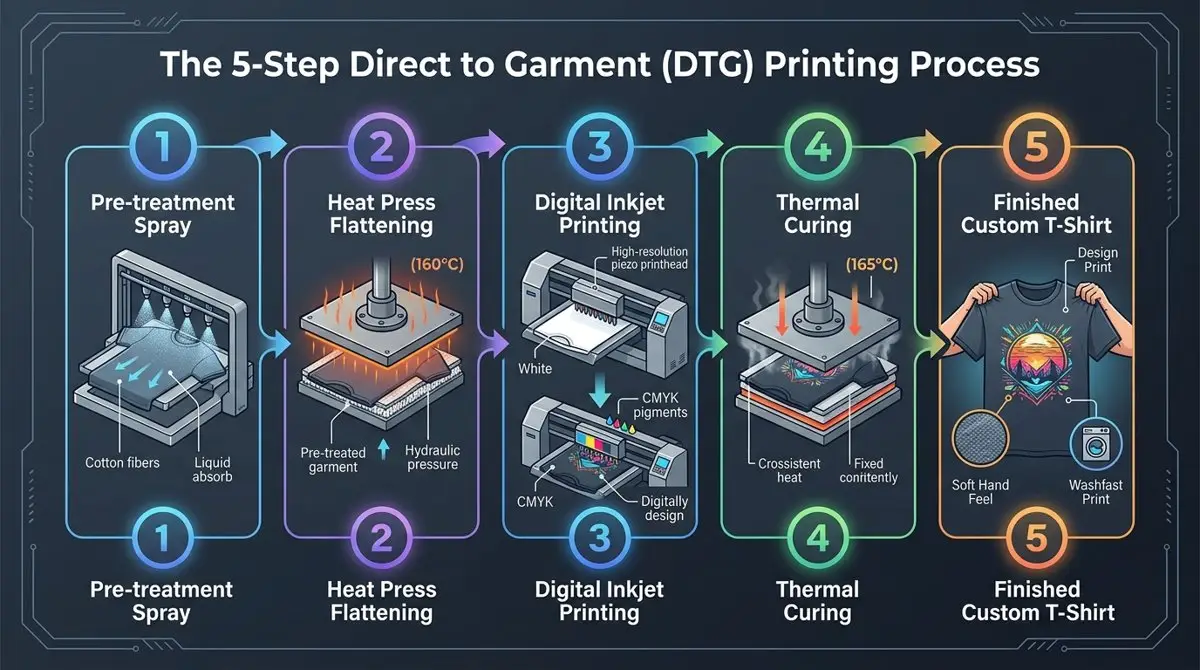
Yes—DTG printing is completely non-toxic, uses 100% water-based biodegradable inks, produces zero industrial wastewater, and is safe for baby apparel.
As apparel buyers and commercial fashion brands demand sustainable production, Direct To Garment technology is replacing toxic plastisol screen printing as the green standard for on-demand customization.
1. DTG Ink Chemistry: 100% Water-Based, Solvent-Free, and Biodegradable
The environmental footprint of any garment printing method is determined primarily by the chemical composition of its inks and binders.
• Plastisol Screen Inks: Made from PVC (polyvinyl chloride) resins suspended in phthalate plasticizers. Require harsh petroleum-derived solvents (mineral spirits) for cleanup and emit toxic volatile organic compounds (VOCs) during curing.
• DTG Textile Pigment Inks: Composed of 70–80% purified water, vegetable glycerin humectants, water-soluble acrylic polymer binders, and nano-milled organic pigments. They are completely free of heavy metals, formaldehyde, alkylphenol ethoxylates (APEO), and toxic solvents.
2. The 4 Pillars That Make DTG the Greenest Textile Method
Why do sustainability-focused global fashion retailers prefer DTG for sustainable on-demand production? Here are the 4 core environmental pillars:
1. Zero Wastewater Generation
Screen printing consumes up to 50 gallons of water per design to wash mesh screens, remove chemical emulsions, and clean squeegees. DTG is a dry digital process that generates zero wastewater runoff into municipal sewers.
2. On-Demand Production (Zero Deadstock Overproduction)
Over 30% of fast-fashion apparel ends up in landfills unsold. DTG enables true print-on-demand: garments are only printed after a customer places an order, completely eliminating excess unsold inventory.
3. Micro-Picoliter Precision & Minimal Ink Waste
Piezoelectric printheads (like Epson i3200) fire exact 3.8 to 12 picoliter ink droplets only where artwork exists. There are no ink buckets or leftover ink pans thrown away after a production run.
4. Natural Fiber Biodegradability
DTG inks are optimized for 100% organic cotton, bamboo, linen, and hemp. Because the ink contains no PVC rubber coating, natural cotton garments remain 100% biodegradable and recyclable at the end of their lifecycle.
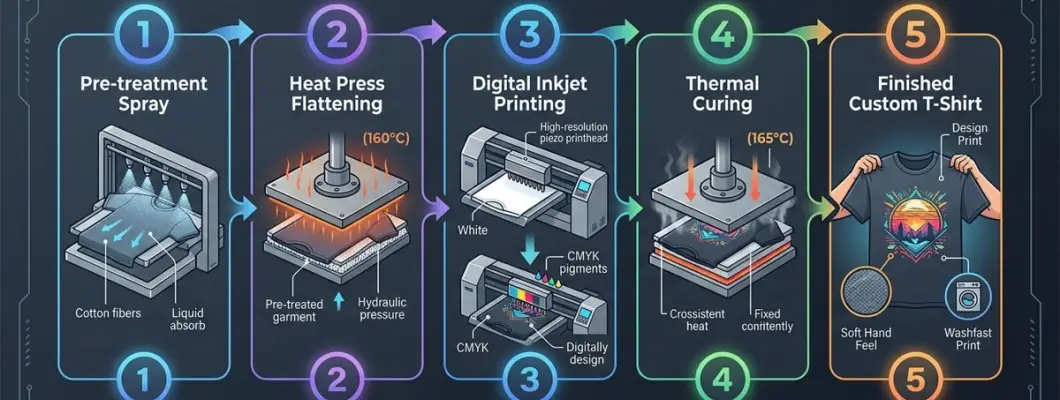
3. Environmental Lifecycle: DTG vs. Traditional Textile Printing
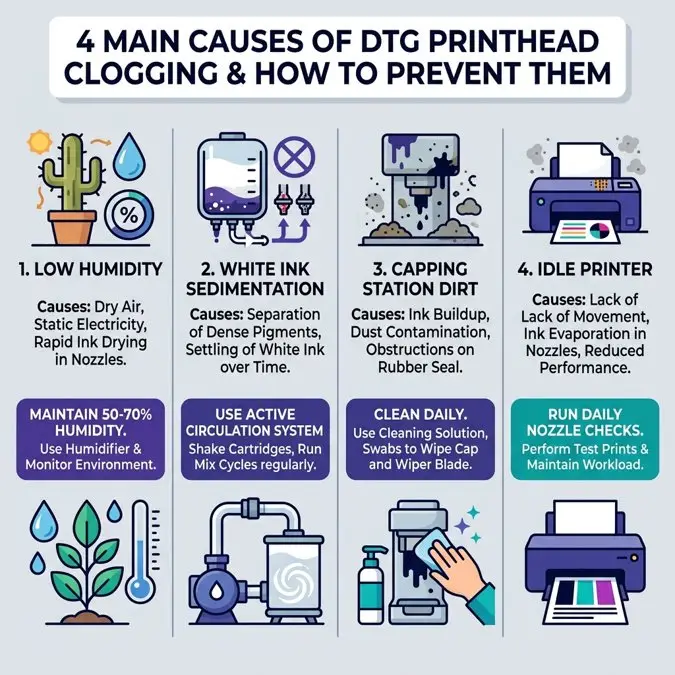
4. Sustainability Comparison: DTG vs. Screen Printing vs. DTF
| Environmental Metric | DTG (Direct to Garment) | Screen Printing (Plastisol) | DTF (Direct to Film) |
|---|---|---|---|
| Base Ink Carrier | 100% Purified Water | PVC Resin & Plasticizers | Water-based Ink + TPU Adhesive |
| Toxic Heavy Metals & Phthalates | Zero (Phthalate-Free) | High (Unless specified phthalate-free) | Zero / Low (Depending on powder) |
| Wastewater per 100 Shirts | 0 Gallons (Dry Process) | 30 – 80 Gallons (Screen Wash) | 0 Gallons (Dry Transfer) |
| Volatile Organic Compounds (VOCs) | Virtually Zero (Odorless) | Moderate to High | Low (Fumes during powder baking) |
| Plastic Film Waste | Zero (Direct to fabric) | Emulsion film sheets | Single-use PET plastic release film |
| Safety for Infant Wear | Certified Safe (Class 1) | Requires specialty inks | Safe if certified powder is used |
| OEKO-TEX / GOTS Compatibility | 100% Certified Compatible | Rare / Difficult | Partially Certified |
5. Key Safety Certifications to Look for in DTG
OEKO-TEX ECO PASSPORT:
Certifies that DTG inks, pretreatments, and cleaning solutions meet strict chemical threshold limits and contain no hazardous substances harmful to human health or the environment.
OEKO-TEX Standard 100 (Product Class 1):
The most stringent global textile safety standard, certifying that printed garments are 100% safe for prolonged skin contact with infants and toddlers up to 36 months.
GOTS (Global Organic Textile Standard) v6.0:
Verifies that textile inks and auxiliaries comply with strict environmental and toxicological criteria for organic apparel manufacturing.
CPSIA (Consumer Product Safety Improvement Act):
US federal compliance certifying that DTG printed apparel contains zero dangerous lead or phthalate chemicals.
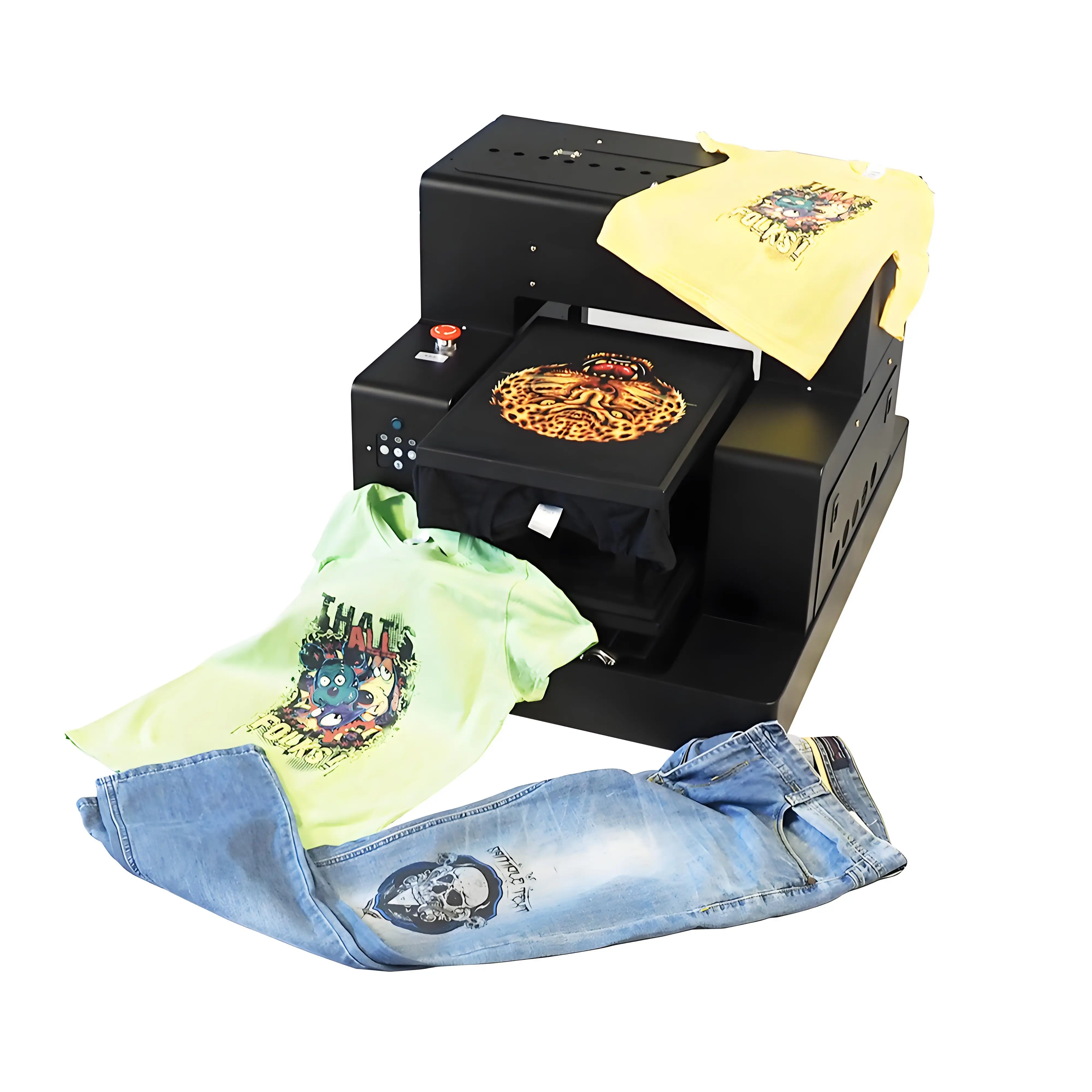
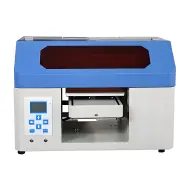
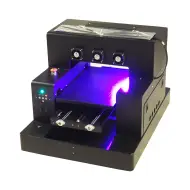
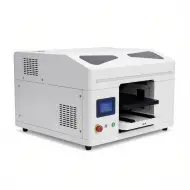
GNFEI F85G3 — Clean, Certified Green On-Demand Textile Production
Dual Epson i3200 Heads | VOC-Free Water Pigment System | Zero Wastewater Footprint
- 100% Water-Based Ink Formulation — Safe for baby clothes, sensitive skin, and organic apparel lines
- Zero-Waste On-Demand Production — Eliminates fashion deadstock by printing exact quantities on demand
- Closed-Loop Ink Fluidics — Automatic recirculation system prevents ink waste and drying
- High-Efficiency Energy Consumption — Low wattage operation with automated standby eco-modes
- 40×60 cm Oversized Platen — Print on 100% organic cotton tees, tote bags, hoodies, and baby onesies
Frequently Asked Questions: DTG Sustainability & Safety
Q1. Are DTG printed T-shirts safe for babies and infants?
Yes. When printed with OEKO-TEX Class 1 certified water-based inks and properly cured, DTG shirts are 100% non-toxic and skin-safe for infants.
Q2. Does DTG printing produce harmful chemical fumes during curing?
No. DTG inks are water-based and emit only steam and minor non-toxic water vapor during heat press curing, with zero hazardous VOC fumes.
Q3. How does DTG compare to screen printing for water pollution?
DTG produces zero toxic wastewater. Screen printing uses large amounts of water and chemical strippers to wash screens, polluting municipal drains.
Q4. Is DTG pretreatment non-toxic?
Yes. High-quality DTG pretreatments are water-based solutions containing non-toxic calcium salts and organic crosslinkers that wash out harmlessly.
Q5. Can DTG printed shirts be recycled and composted?
Yes. Because DTG inks contain no PVC plastic shields, 100% cotton garments remain naturally biodegradable and recyclable.
Q6. Does DTG generate single-use plastic waste?
No. DTG prints directly onto the shirt without the disposable plastic PET carrier films required by DTF printing.
Q7. What certifications should eco-conscious apparel brands check?
Look for OEKO-TEX Eco Passport, OEKO-TEX Standard 100 Class 1, GOTS approved inputs, and CPSIA compliance certificates.
Q8. Does the GNFEI F85G3 DTG printer use eco-friendly inks?
Yes. All inks and consumables supplied for GNFEI printers meet international water-based non-toxic safety standards.
Q9. Why is print-on-demand DTG better for the planet than bulk manufacturing?
It completely eliminates apparel overproduction and unsold deadstock, which accounts for millions of tons of textile waste annually.
Q10. Can I wash DTG shirts with standard eco detergents?
Yes. DTG prints can be washed with mild eco-friendly detergents in cold water without compromising print longevity.