Can a UV Printer Print on All Types of Phone Cases Including Silicone, TPU, and Hard Plastic?
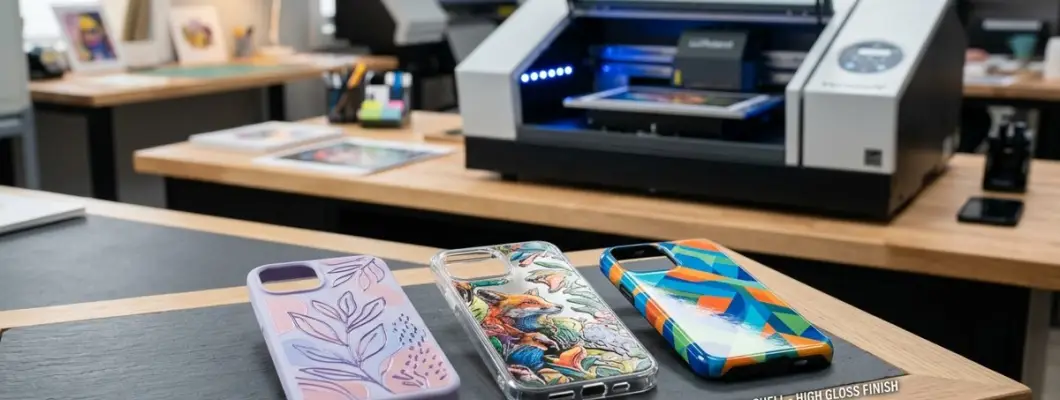
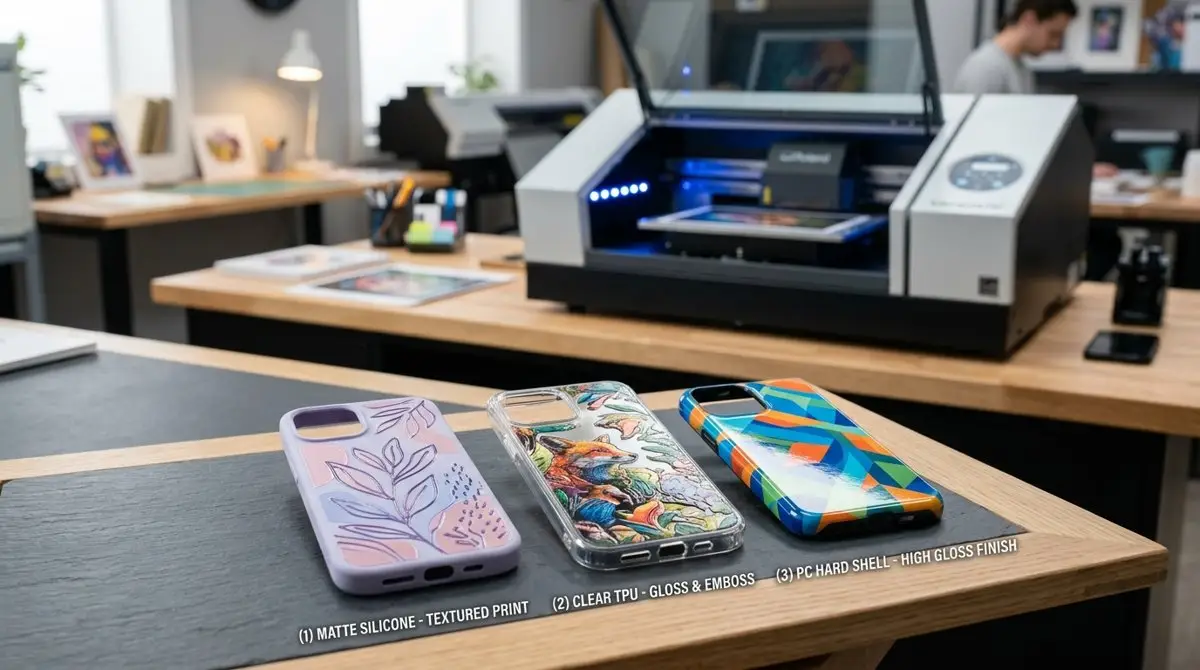
The definitive answer for print studios: Yes, a modern UV flatbed printer can decorate virtually any smartphone case on the market. However, silicone, flexible TPU, and rigid plastics possess vastly different surface energies and elongation tolerances. Printing on all of them successfully requires selecting the appropriate ink chemistry (hard vs flexible UV ink), using chemical adhesion promoters where necessary, or taking advantage of UV DTF transfer technology.
Phone cases represent the highest margin custom product category in digital printing, generating profit margins of 85% to 92% per unit. Yet countless commercial decorators suffer from customer returns because the ink peels off silicone cases or cracks when a flexible TPU bumper is stretched over a phone. Here is an in-depth material science breakdown to help you master phone case UV printing with zero adhesion failures.
1. Phone Case Materials Breakdown: Physics & Surface Energy
Ink adhesion in UV printing is governed by surface energy (measured in dynes/cm). For UV LED photopolymer inks to wet out, grip, and form chemical bonds, the substrate surface energy must exceed the liquid ink surface tension (typically 28 to 32 dynes/cm) by at least 8 to 10 dynes/cm.
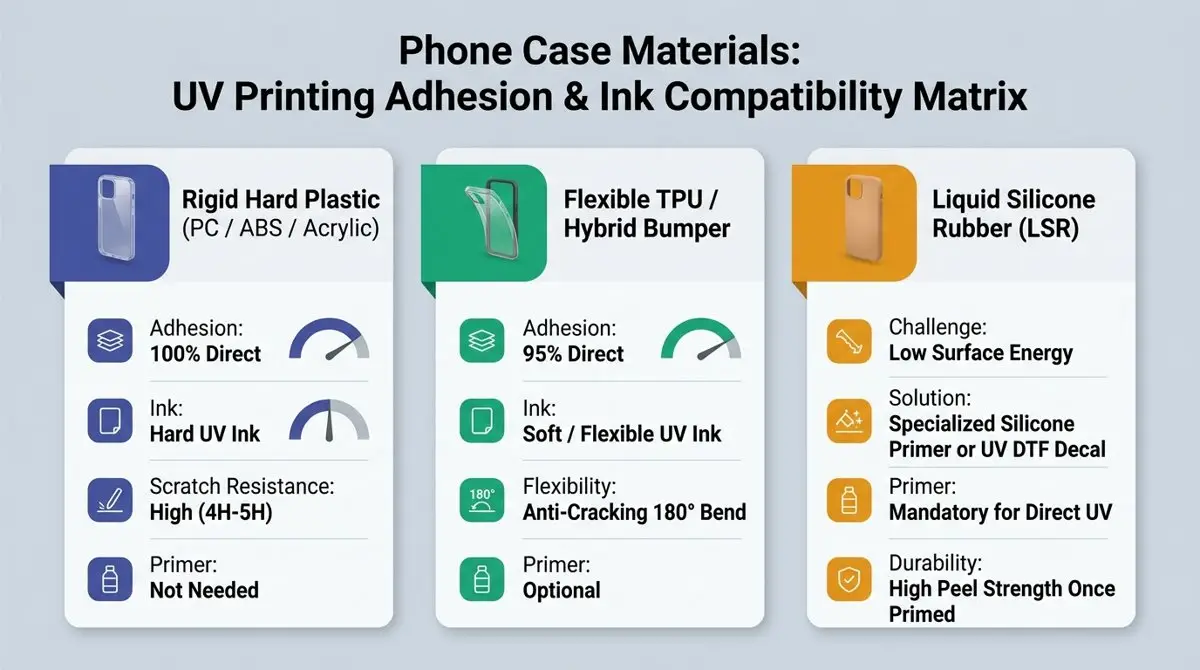
A. Hard Plastics (PC / ABS / Acrylic)
Surface Energy: 40–44 dynes/cm (High).
Adhesion Rating: 100% Direct Adhesion.
Polycarbonate (PC) and ABS cases possess optimal polarity. Standard Hard UV ink cures with rock-solid bonding without primers, resisting fingernail and coin scratch tests immediately after UV curing.
B. Flexible TPU (Thermoplastic Polyurethane)
Surface Energy: 36–38 dynes/cm (Moderate).
Adhesion Rating: Excellent (with Flexible Ink).
TPU bumpers absorb shocks and flex when installed on phones. While ink adheres readily, hard UV ink will fracture into spiderwebs. Soft/Flexible UV ink or neutral ink is mandatory to stretch with the polymer.
C. Liquid Silicone Rubber
Surface Energy: 20–24 dynes/cm (Extremely Low).
Adhesion Rating: Poor without treatment.
Silicone contains non-polar siloxane chains and migration oils that repel ink droplets. Printing directly without a specialized silicone primer causes ink to peel like rubber film. Requires chemical primer or UV DTF decals.
2. Materials Adhesion & Ink Compatibility Matrix
3. Hard vs Flexible vs Neutral UV Ink: Which Should You Load?
The single most common mistake for new phone case printing businesses is loading 100% rigid hard UV ink and expecting it to bend on soft cases. Here is how the ink polymer networks differ:
- Hard UV Ink: Highly cross-linked acrylate polymer structure. Delivers 5H pencil hardness and extreme scratch resistance on rigid PC, metal plates, and acrylic. However, its elongation break point is under 15%—if applied to soft TPU, bending the case will instantly cause hairline cracks.
- Flexible (Soft) UV Ink: Formulated with flexible urethane oligomers that stretch over 150% to 220% without fracturing. Perfect for flexible TPU bumpers, silicone, and PU leather. It flexes smoothly when the phone case is twisted or dropped.
- Neutral (Universal) UV Ink: A balanced hybrid formulation providing 60%–80% elongation with 3H–4H scratch hardness. For commercial studios printing both rigid PC backplates and hybrid TPU phone cases on a single machine, neutral UV ink is the ideal factory solution.
4. 3D Tactile Relief & Spot Varnish on Phone Cases
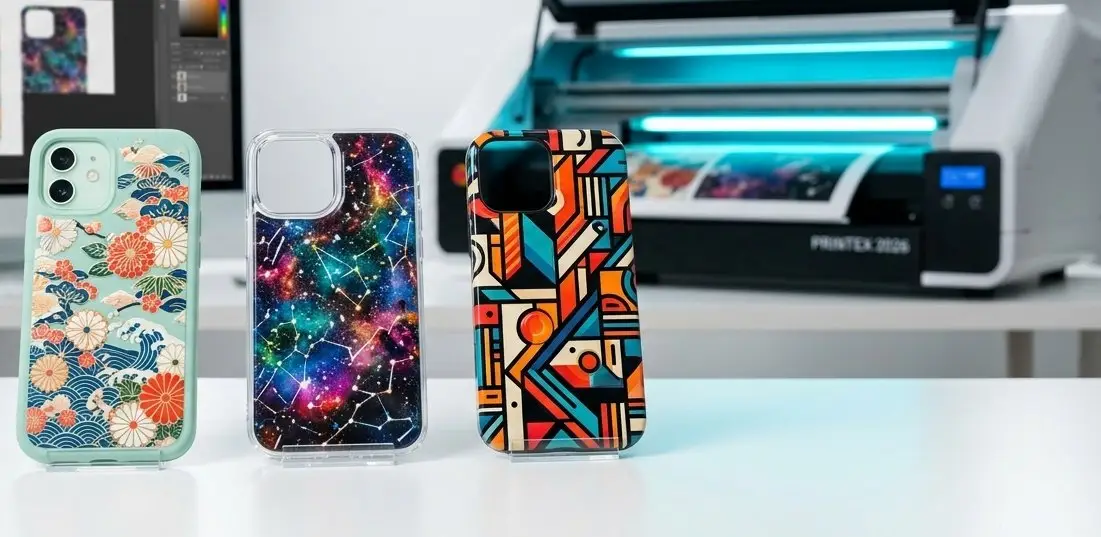
Beyond full-color graphics, the highest revenue driver for custom phone case decorators in 2026 is 3D embossed tactile relief and high-gloss spot varnish. By depositing multiple layers of dense white ink followed by CMYK and glossy varnish in a single pass, you can create raised textures that mimic wood grain, oil paint brushstrokes, carbon fiber weave, or embossed luxury brand monograms.
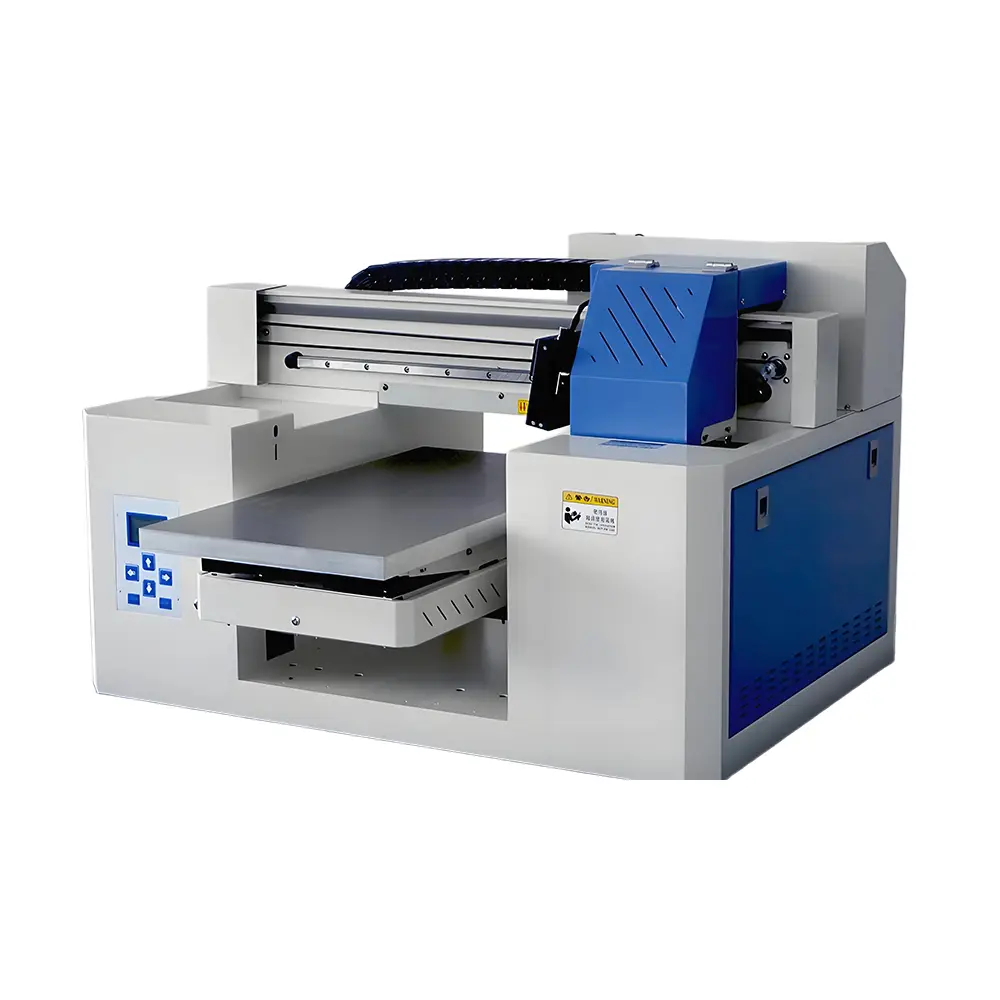
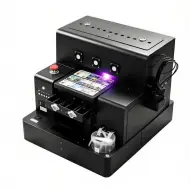
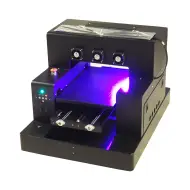
GNFEI A3 Dual Head UV Printer (Supports Phone Cases & UV DTF)
The ultimate commercial powerhouse for custom phone case shops. Accommodates multi-case vacuum jigs printing 6 to 8 phone cases simultaneously in under 3 minutes with synchronized CMYK, White, and 3D Varnish curing.
- Dual Epson Printheads: Dedicated channels for simultaneous White + Color + Varnish
- Precision Vacuum Table: Holds flat phone cases and thin PET film perfectly flat
- Hybrid UV DTF Capability: Print directly on PC/TPU cases or produce decals for silicone
- Low Production Cost: Under $0.08 ink cost per custom printed smartphone case
5. How to Master Silicone Phone Cases: Primers vs UV DTF
Because liquid silicone rubber naturally rejects direct UV ink, commercial studios employ two reliable engineering solutions in 2026:
Method 1: Chemical Silicone Primer Wipe
Wipe the silicone surface with an isopropyl alcohol degreaser, then apply a specialized silane bonding agent using a lint-free microfiber swab. Allow 60 seconds of flash-off time. The primer modifies the surface energy from 22 dynes to over 40 dynes, allowing flexible UV ink to chemically lock onto the silicone.
Method 2: UV DTF Crystal Sticker Transfer
Print graphics onto release Film A with CMYK, White, and high-gloss varnish, laminate with Film B, and peel-and-stick the 3D decal onto the silicone case. Industrial-grade high-tack pressure-sensitive acrylic adhesives grip silicone textures with zero risk of ink cracking or flaking.
Frequently Asked Questions (FAQ)
Equip Your Custom Phone Case Business with Industrial UV Precision
From compact desktop flatbeds to high-speed dual-head multi-case production systems, GNFEI delivers factory-direct pricing, custom phone case jigs, and lifetime engineering support.