Advancements in UV Ink Technology Transforming Printing Quality and Durability Standards
Advancements in UV Ink Technology Transforming Printing Quality and Durability Standards
Over the past decade, the printing industry has witnessed significant technological breakthroughs, with UV ink technology emerging as a game-changer. Gone are the days when printing was limited by the constraints of traditional inks that often suffered from issues such as smudging, fading, or limited substrate compatibility. Today, innovative strides in UV ink formulation and curing processes have ushered in a new era of high-quality, durable, and eco-friendly printing solutions. These advancements not only enhance the aesthetic appeal of printed materials but also extend their lifespan, ensuring that businesses can deliver products that stand the test of time.

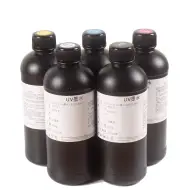
One of the crucial areas where UV ink technology has made remarkable progress is in the improvement of print quality. Modern UV inks are designed with enhanced pigmentation and better adhesion properties, resulting in sharper images with vibrant colour fidelity. The rapid curing process, facilitated by ultraviolet light, ensures that inks dry instantly upon application, reducing the risk of smudging and enabling faster production speeds. This is especially valuable for commercial printers aiming to meet tight deadlines without compromising on detail or clarity.
Furthermore, the formulation of UV inks has evolved to accommodate a broader range of substrates, including plastics, metals, glass, and even fabrics. This versatility opens up new creative possibilities and allows for custom printing on various surfaces, thereby expanding potential markets. With improved formulation, UV inks now offer excellent adhesion, flexibility, and resistance to environmental factors such as scratches, chemicals, and UV exposure itself. These enhancements directly translate into printed items with enhanced durability—making them ideal for outdoor signage, packaging, and high-end decorative applications.
Another noteworthy advancement lies in the development of environmentally friendly UV inks. Traditional solvent-based inks posed environmental and health concerns due to volatile organic compounds (VOCs). In response, manufacturers have developed low-odor, water-based UV inks that fulfill stricter environmental standards while maintaining high performance. These eco-conscious options not only lessen the impact on the environment but also provide safer working conditions in print shops, aligning with the sustainable business practices increasingly adopted worldwide.
Innovations in curing technology have also played a significant role in elevating UV printing standards. Advanced UV LED curing systems consume less energy and emit less heat compared to conventional mercury vapour lamps. This results in longer-lasting equipment and the ability to print on heat-sensitive substrates without distortion. Additionally, LED curing allows for instant production without the need for post drying or curing steps, further speeding up workflows and reducing operational costs.
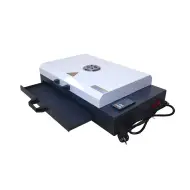
If you're looking to upgrade your printing capabilities or explore the latest in UV technology, consider investing in state-of-the-art equipment like the Spot UV Printing Machine - Glossy UV Coating Printer. This device exemplifies how modern UV technology can deliver high-resolution, glossy finishes that significantly boost the visual appeal of printed materials. Whether for packaging, promotional items, or personalized products, such equipment enables precise control over UV coating applications, creating eye-catching, durable results that impress customers and strengthen brand identity.
The Future of UV Ink Technology
Looking ahead, the trajectory of UV ink innovation suggests further improvements in sustainability, colour accuracy, and speed. Researchers are experimenting with bio-based UV inks derived from renewable resources, which could drastically reduce the environmental footprint of printing operations. Alongside these developments, digital printing and automation will continue to integrate with UV technologies, facilitating high-volume production with minimal waste and maximum customization.
In summary, recent advancements in UV ink technology are transforming the standards of printing quality and durability across industries. From enhanced image clarity and substrate versatility to eco-friendly formulations and energy-efficient curing systems—these innovations are reshaping what is possible in modern printing. Embracing these new solutions allows businesses to produce stunning, resilient printed products that meet evolving customer expectations and regulatory standards.
Whether you are involved in industrial printing, packaging, promotional products, or fine art reproduction, staying updated with UV ink advancements is essential. As technology progresses, printing businesses that adopt cutting-edge UV solutions will enjoy a competitive edge, delivering superior products consistently and sustainably. To explore the latest in UV printing equipment, visit our recommended Spot UV Printing Machine - Glossy UV Coating Printer and elevate your printing projects today.
Advanced Technical Insights & Application Analysis
One of the leading advancements in UV ink technology lies in its superior adhesion capabilities, which allow printing businesses to achieve unparalleled durability across diverse substrates such as glass, metal, and plastic. High performance UV inks are engineered with optimized chemical formulations that improve bonding strength at the molecular level, ensuring resistance to wear and environmental factors. This level of durability is particularly critical for outdoor applications, where exposure to UV rays, moisture, and temperature fluctuations can compromise the integrity of printed materials.
The energy-efficient UV curing process further amplifies productivity by significantly reducing the time required for ink solidification. State-of-the-art UV LED systems offer precise control over wavelength and intensity, ensuring uniform curing without damaging sensitive substrates. Compared to traditional curing methods, this approach minimizes heat output, protecting delicate materials like thin films and textiles while enhancing overall production throughput. For businesses aiming to scale operations, these advancements contribute to reduced energy consumption and lower operational costs, resulting in a higher B2B investment return over time.
Another innovation is the enhanced color accuracy and vibrancy offered by modern high performance UV inks, enabling superior visual appeal for commercial use cases like packaging and promotional products. By leveraging advanced pigment dispersion techniques and rapid curing processes, printers can achieve consistent high-resolution outputs with sharper details and smoother transitions. Additionally, these inks provide increased UV resistance, ensuring long-lasting color fidelity—an essential feature for premium branding applications.
Frequently Asked Questions
- Q: How do high performance UV inks improve durability across substrates?
- A: These inks are formulated with advanced adhesion promoters that allow strong bonding to non-porous surfaces while resisting environmental challenges like scratches, sunlight, and chemical exposure.
- Q: What energy savings can I expect with UV LED curing systems?
- A: UV LED systems consume up to 50% less energy compared to conventional mercury lamps while allowing faster curing cycles, making them both cost-effective and environmentally friendly.
- Q: Why are high performance UV inks ideal for packaging applications?
- A: Their vibrant pigmentation, rapid curing, and excellent durability make them perfect for producing vivid, long-lasting designs that enhance product presentation and customer perception.