AI-driven DTG Printer Platforms Optimizing Color Management and Workflow Automation
Struggling to get consistent colors and smooth workflows with your DTG printer?
If you're like many textile printing pros, you"ve probably faced issues with color inconsistencies, lengthy setup times, or manual errors that throw off your productivity. The good news? AI-driven DTG printer platforms are changing the game, offering smarter color management and workflow automation that make your jobs faster and more reliable. Let"s explore how these new technologies can transform your printing process.Understanding AI-Driven Platforms in DTG Printing
Have you heard about AI in textile printing but aren"t sure what it really does? Simply put, artificial intelligence in DTG platforms learns from your past jobs to optimize color accuracy and automate routine tasks. Instead of manually adjusting settings or troubleshooting issues, the system analyzes data, predicts potential problems, and fine-tunes the process in real-time.Imagine chatting with a fellow printer who's just upgraded and raving about how the AI predicted a color mismatch before it even happened. That"s the power of these platforms—predictive, adaptive, and proactive.
What Makes AI-Driven DTG Platforms Stand Out?
- **Enhanced Color Management:** AI ensures colors stay consistent across batches, reducing the need for manual calibration. It automatically adjusts ink levels, color profiles, and substrate compatibility to produce vibrant, true-to-design prints. - **Workflow Automation:** From job preparation to print execution, these platforms automate repetitive tasks. For example, adjusting numerous design parameters or aligning garments becomes effortless, saving hours each week.- **Intelligent Error Detection:** The AI system monitors the entire process, catching issues like ink clogging or misalignment early. This minimizes downtime and ensures high-quality results every time.- **Data-Driven Optimization:** Over time, the platform learns your style and preferences, suggesting improvements for speed and quality. This continuous learning Loop helps you stay competitive.How Color Management Gets Smarter
Color accuracy is critical in DTG printing. You want the colors to be true to the design, no surprises. AI platforms use machine learning algorithms that analyze color data from previous prints.**Benefits include:**- **Reduced Color Variability:** AI algorithms automatically calibrate your printer settings for each job, ensuring that reds stay red and blues stay blue, regardless of the substrate.- **Faster Color Profiling:** Instead of manual trial and error, the AI builds color profiles quickly, saving time and material costs.- **Dynamic Adjustments:** If a batch shows slight color deviation, the system compensates automatically to maintain consistency.Imagine designing a custom shirt with vibrant reds, but previous manual setups resulted in dull hues. With AI, the system adjusts on the fly, ensuring every shirt pops exactly as intended.Streamlined Workflow Automation
Manual steps in DTG printing can be tedious and error-prone. AI-driven platforms simplify this with:- **Automated Stage Preparation:** Pre-flighting jobs, checking artwork quality, and setting up the print sequence happen instantly.- **Smart Scheduling:** The system prioritizes jobs based on size, complexity, or deadlines, optimizing your production line.- **Error Prevention and Alerts:** If your ink runs low or there's a misalignment, alerts pop up before printing, avoiding costly mistakes.- **Remote Monitoring:** Some platforms allow you to monitor and control your printers via app or web dashboard, helping you troubleshoot without being on-site.Think about how much easier this makes your daily operations. Less manual setup, fewer errors, more time for creative projects or business growth.Real-World Examples: How Printers Are Benefiting
I spoke with a small shop owner who recently adopted an AI-powered DTG platform. She told me, "My color consistency improved overnight, and I barely spend any time on calibration now. The automated workflow saves me at least two hours a day." Another user shared, "Our rejects dropped significantly because the AI caught issues early. It"s like having an extra set of eyes watching over the print job."This isn"t just theory; practitioners are seeing tangible benefits—better quality, less waste, and faster turnaround times. Plus, it"s making high-volume jobs more feasible without massive staff increases.Where to Find These Platforms?
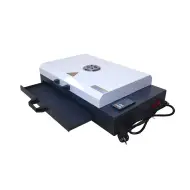
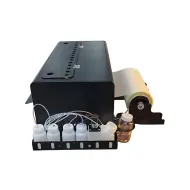
A leading example is the GNFEI A3 DTG Printer. Designed with AI integration in mind, it offers advanced color controls and workflow automation. If you"re looking to upgrade, exploring these options could be a smart move to stay ahead in a competitive market.Remember, investing in AI-driven platforms isn"t just about technology — it"s about positioning your business for the future of textile printing.Important FAQs about AI-Driven DTG Printer Platforms
1. Do I need technical expertise to operate AI-powered DTG printers?
Most platforms are user-friendly, with intuitive interfaces. Some basic training is helpful, but many systems are designed for easy adoption, even if you lack technical background. The AI handles most complex adjustments automatically.
2. Will AI increase my printing costs?
Initially, there might be an investment in equipment or software. However, the automation and accuracy reduce waste and rework, leading to cost savings over time. Plus, faster turnaround can increase sales.
3. Can these platforms handle large production volumes?
Absolutely. AI-driven systems are built for scalability, making them perfect for high-volume shops needing consistent quality and minimal manual intervention.
4. How do AI platforms improve color match accuracy?
They analyze previous jobs to learn optimal settings. This continuous learning means every new print maintains color fidelity, reducing variances that often happen with manual calibration.
5. Is there support available after purchase?
Most providers offer training, technical support, and updates. Investing with a reputable provider ensures you get ongoing assistance to maximize your platform's potential.
---If you"re serious about elevating your textile printing, exploring AI-driven DTG platforms like the GNFEI A3 DTG Printer could be transformative. They make color management smarter and workflows smoother, giving you a real edge in quality and efficiency.Advanced Technical Insights & Application Analysis
AI-driven DTG printing platforms redefine the textile printing process by integrating cutting-edge technologies that enhance ink adherence, scalability, and production efficiency. These systems, utilizing DTF printing workflow software, enable seamless automation for complex print setups while optimizing key parameters such as substrate compatibility and ink penetration depth. By dynamically adjusting to environmental variables like humidity and fabric types, they ensure consistent and vibrant results across any production scale. This not only increases reliability but also reduces manual intervention, empowering businesses to focus more on growth-oriented activities.
One standout advantage of these platforms is their proactive error detection mechanism, which minimizes downtime. For instance, real-time analytics anticipate potential issues ranging from printhead clogging to imprecise alignment, allowing operators to take corrective actions before production halts. Coupled with advanced UV curing technologies integrated into some models, the post-print durability improves significantly, making the final products resistant to fading or wear, even under high wash cycles. Such advancements contribute heavily to the ROI for B2B applications, where bulk printing demands both speed and quality consistency.
Moreover, scalability is a critical feature for shops transitioning from mid-level production to industrial volumes. AI's ability to adapt workflows, optimize system performance, and manage data archives enhances the feasibility of operating multiple machines simultaneously. For high-volume operations, DTF printing workflow software further bridges the gap by automating design modifications and batch processing, streamlining daily tasks while ensuring uniformity in all output.
Frequently Asked Questions
What specific benefits does AI bring to ink adhesion on difficult substrates?
AI algorithms analyze substrate properties and dynamically adjust ink curing temperatures and application rates, ensuring optimal bonding even on challenging fabrics like polyester blends.
Can these platforms handle UV curing technology for enhanced durability?
Yes, many advanced models integrate UV curing modules that not only accelerate drying times but also improve resistance to fading, making them ideal for high-demand textile printing applications.
Is DTF printing workflow software compatible with small-scale operations?
Absolutely. While scalable for industrial use, DTF software offers modular workflows that allow smaller shops to utilize partial automation without overwhelming initial resource requirements.