Beyond the Screen: Why 2026 is the Year Your DTG Printer Becomes a Micro-Factory
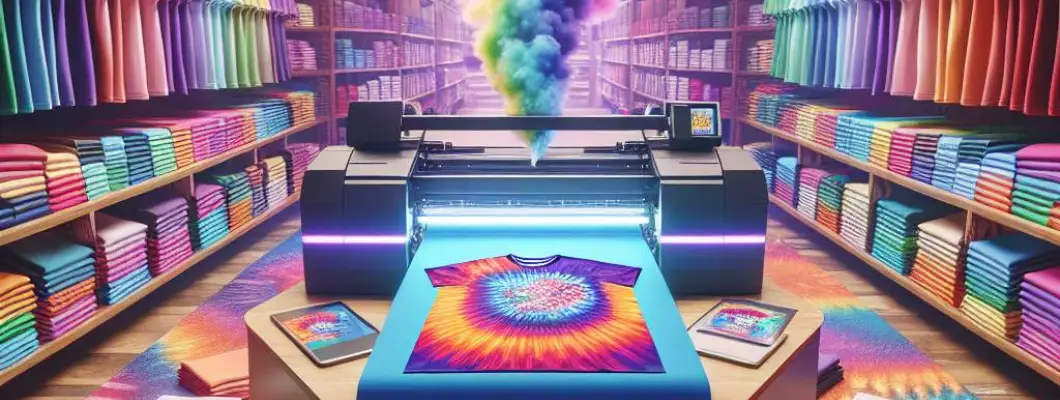
Are you tired of relying on large-scale production lines that slow down your creativity and increase costs? Do you wonder if there's a way for small businesses or even individual entrepreneurs to compete in today"s fast-paced apparel market? If so, you're not alone. The recent advancements in direct-to-garment (DTG) printing suggest that 2026 may be the turning point where your DTG printer transitions from just a printer to a complete micro-factory. This shift promises to revolutionize how you design, produce, and deliver customized apparel.
Imagine chatting with a fellow business owner who started printing on demand from her garage, turning out vibrant, custom shirts for local clients. She"s now preparing for the leap into micro-factory territory, thanks to innovations in digital textile printing technology. This example isn"t far-fetched, and it exemplifies how DTG printers are evolving into comprehensive manufacturing hubs with minimal space, investment, and expertise. So, what makes 2026 the year this transformation will truly take off? Let"s explore the key drivers behind this revolution and what you need to prepare for.
Understanding the Rise of DTG as a Micro-Factory
DTG printing, or Direct-to-Garment printing, has long been valued for its ability to produce highly detailed and colorful designs directly onto textiles. Initially, it served primarily as an alternative to screen printing for small runs or custom orders. However, recent technological advances are changing the game dramatically. Instead of viewing your DTG printer as just a means to print individual shirts, you can now see it as the core component of a mini manufacturing unit—the micro-factory.
This evolution is driven by several factors:
- Speed improvements — newer printers boast faster print speeds, allowing for quicker turnaround times.
- Enhanced automation — integration with software that manages production workflows reduces manual effort.
- Cost reductions — competitive pricing on high-quality printers makes small-scale production economically feasible.
- Flexibility in designs and materials — advanced ink technologies enable printing on a broader range of garments and textiles.
All these developments season into a paradigm where your DTG machine isn't just helping you print designs—it becomes a small-scale factory capable of producing customized apparel on demand. As the technology matures, it will allow entrepreneurs to manage entire production cycles from design to delivery with minimal overhead, all within a compact space.
Why 2026 Is the Pivotal Year for Micro-Factory Innovation
While the advancements are happening now, several key trends indicate that by 2026, the concept of a personal or business micro-factory will be mainstream. Here"s what to look out for:
- Wider adoption of AI-powered automation— Machine learning will optimize print quality and operational efficiency, reducing the need for specialized staff.
- Affordable, scalable technologies— Entry-level micro-factory setups will be accessible to small entrepreneurs, not just large manufacturers.
- Integration of supply chain management software— Real-time tracking and inventory management will streamline production, reducing waste and delays.
- Customizable workflows— Modular systems will let you expand or modify your production line as your needs grow.
- Environmental sustainability — Eco-friendly inks and energy-efficient machines will make micro-factories more sustainable.
In essence, 2026 marks a convergence point where these technologies will become mature and affordable enough to reshape small-scale production globally. You won"t need a factory floor or a huge investment—just a dedicated space and the right equipment.
How to Prepare Your Business for the Micro-Factory Shift
If you"re serious about leveraging this upcoming transformation, start now. Here are concrete steps you can take today to position your business for success in 2026:
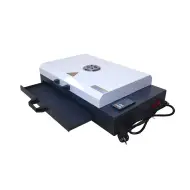
- Invest in a versatile, high-quality DTG printer— The A3 DTG Printer offers excellent print resolution and workflow capabilities suitable for micro-factory setups.
- Stay updated on emerging tech— Follow industry news, join forums, and attend trade shows focused on digital textile printing and micro-factory innovations.
- Develop strong design and customization skills— The demand for personalized apparel is growing. Mastering design software and understanding market trends will give you an edge.
- Explore automation tools— Look for software that can integrate with your printer to automate order processing, inventory, and quality control.
- Build strategic partnerships— Collaborate with fabric suppliers, logistics providers, and fulfillment centers to create a seamless production line.
By preparing now, you'll reduce risks and capitalize on the rapid advancements in DTG technology, ensuring your micro-factory is ready for the market shift.
Real-World Examples of Micro-Factory Success
Many entrepreneurs are already reaping the benefits of this shift. For example, a startup in Europe began with a basic DTG printer, focusing on custom sportswear. After upgrading to a high-speed, multifunctional machine, they transitioned into a mini-warehouse capable of handling hundreds of orders weekly—without increasing staff or overhead. The key was understanding that the technology enables small-scale, scalable production, providing quick turnaround times and flexibility to test new designs.
In another case, a boutique apparel brand used a similar approach to create a capsule collection, leveraging rapid prototyping and quick customer feedback. This agility was only possible because their DTG setup functioned as a micro-factory, reducing lead times and inventory costs significantly. They are now exploring automation systems to expand their product line further while keeping costs low.
Why Your Business Needs to Embrace the Micro-Factory Model Now
The changing landscape of apparel manufacturing demands agility, customization, and speed. Waiting until 2026 to adopt micro-factory practices could mean missing out on early competitive advantages. Embracing this change now allows you to:
- Offer faster delivery times— meet the increasing customer demand for quick turnarounds.
- Reduce inventory holding costs— produce only what"s ordered, minimizing waste.
- Customize at scale— cater to niche markets with unique, personalized products.
- Increase profit margins— lower production costs and higher perceived value from custom designs.
Adopting the micro-factory model shifts your business from traditional manufacturing to a nimble, on-demand enterprise—making you more competitive and adaptable in today"s rapidly changing market.
FAQs About Turning Your DTG Printer Into a Micro-Factory
1. What is the main advantage of using a DTG printer as a micro-factory?
The main advantage is **flexibility**, enabling small-scale, on-demand production with quick turnaround times and minimal overhead.
2. How much space do I need for a micro-factory setup?
A typical micro-factory can operate within a standard room or garage—roughly 100-200 square feet—depending on your equipment and scale.
3. What types of garments can a DTG printer handle in a micro-factory?
Modern DTG printers can print onto a variety of textiles, including cotton, polyester, blends, and even some specialty fabrics, expanding your product options.
4. Is automation necessary to run a micro-factory?
While not essential initially, automation tools significantly improve efficiency and scalability, making it easier to grow your business.
5. How much does it cost to start a micro-factory with a DTG printer?
Initial costs vary, but entry-level setups can start around $10,000–$20,000, including the printer, software, and supplies. Upgrading and expanding can be done gradually.
Embracing the trend of turning your DTG printer into a micro-factory isn't just future-proofing—it's an immediate opportunity to revolutionize your production process and customer engagement. Remember, the technology is already here, and 2026 is close enough to make rapid changes that position you ahead of your competitors. Take the step today and see your small business transform into a powerhouse of personalized, on-demand apparel manufacturing.