Breaking the Toxic Myth: 4 Reasons Why Modern UV Printing Is Actually Eco-Friendly
Are you struggling to understand the real environmental impact of UV printing? Many believe that all modern printing methods are harmful to the environment, but that's a myth worth breaking. When you hear "toxic," you might picture harmful chemicals or waste emissions, yet recent advancements in UV printing technology have shifted the narrative completely. Today, we"ll explore four compelling reasons why modern UV printing is actually eco-friendly and a sustainable choice for businesses aiming to reduce their carbon footprint.
Understanding the Toxic Myth in Printing
Historically, traditional printing processes used solvent-based inks, which released volatile organic compounds (VOCs) into the air. These emissions contributed to pollution and posed health risks. Consequently, many assumed that UV printing, which involves UV-curable inks, must be equally or more harmful. However, the truth is quite different.
Modern UV printing uses innovative technology and eco-conscious materials that significantly reduce environmental harm. Let"s peel back the layers and understand how this technology defies outdated notions.
1. UV Printing Uses Less Hazardous Materials
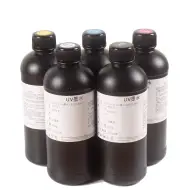
The foundation of UV printing"s eco-friendliness lies in its ink formulation. Traditional solvent inks contain VOCs that vaporize into the atmosphere, contributing to smog and health issues. In contrast, UV inks are composed mainly of acrylic monomers and oligomers that are cured instantly under UV light.
What does this mean for the environment? Less VOC emission during printing. UV inks release fewer harmful chemicals, and because they cure instantly, there's minimal waste and overspray. Plus, these inks are often formulated to be more durable and resistant to environmental degradation, reducing the need for reprints or replacements.
2. Reduced Energy Consumption in the Printing Process
Many believe that UV printing demands high energy input, but the opposite is true. Since UV inks cure instantly upon exposure to UV light, the process eliminates the lengthy drying times typical of solvent and water-based inks. This efficiency translates into energy savings.
Imagine a printing shop upgrading from traditional methods—where drying chambers are continuously running—to UV systems that cure and finish in seconds. Over time, this dramatically reduces the energy footprint of productions, making UV printing a more sustainable option.
3. Eco-Friendly Waste Management and Recycling
Waste management is a major concern in any industrial process. UV printing produces less hazardous waste compared to conventional methods. Since the inks cure instantly, there's less leftover or scrap material to dispose of. Moreover, UV-curable inks are often recyclable or easier to dispose of safely when processed correctly.
This reduction in waste not only cuts down landfill contributions but also simplifies recycling procedures. Many UV inks are now compatible with eco-friendly disposal programs, aligning with the increasing global push towards sustainability.
4. The Ink"s Durability Means Less Reprinting and Waste
Durability in printed products extends their lifespan, reducing the need for reprints that consume resources. UV printing results in highly resistant prints that tolerate UV exposure, water, scratching, and chemicals better than traditional options.
Take, for example, a sign or label made with UV printing—its longevity means fewer replacements over its lifecycle, which directly lessens environmental impacts. This durability helps businesses reduce their overall ecological footprint and supports a circular economy model.
Discover More About Eco-Friendly UV Printing
If you're considering switching to UV printing or upgrading your current equipment, explore https://www.gnfei.com/uv-printer for advanced, eco-conscious options that combine efficiency with sustainability. This is where modern UV printing truly shines—delivering high-quality results with minimal ecological harm.
By understanding these four reasons, it becomes clear that UV printing is not just a marketing buzzword but a forward-looking, environmentally responsible technology. Leading companies worldwide are adopting UV printing to produce stunning visuals while staying committed to green practices.
FAQs About Modern UV Printing and Its Eco-Friendliness
1. Is UV printing truly eco-friendly compared to traditional methods?
Yes. It uses fewer hazardous chemicals, consumes less energy, produces less waste, and results in longer-lasting prints, making it a more sustainable choice.
2. Can UV inks be recycled or safely disposed of?
Most UV inks are designed with environmental safety in mind and are compatible with eco-friendly disposal methods. Recycling options are improving as technology evolves.
3. Does UV printing produce harmful emissions?
Modern UV printers emit negligible VOCs due to their instant curing process, significantly reducing harmful emissions compared to solvent-based printers.
4. How does UV printing save energy in a production environment?
Since UV inks cure instantly under UV light, there"s no need for lengthy drying processes, resulting in lower energy consumption than traditional drying chambers.
5. Is UV printing durable enough for outdoor and long-term applications?
Absolutely. UV prints are highly resistant to UV rays, water, scratches, and chemicals, reducing the need for reprints and thus lowering environmental impact over time.
Choosing modern UV printing is a smart, sustainable move for your business. Understanding the eco-friendly benefits prevents misconceptions and helps you make informed decisions that align with environmental values.