Breakthroughs in UV Printing Technology: How 2025 is Shaping the Future of Manufacturing
Are you struggling to keep up with the latest in manufacturing tech? Curious about how UV printing is evolving? You"re not alone. Many professionals wonder what the future holds for printing automation and quality. The good news? The breakthroughs in UV printing technology, especially leading into 2025, are about to transform how we approach production. And yes, it"s exciting.
When I first heard about some of these advancements, I thought, "Wow, this could really change the game for small manufacturers and giant factories alike." Think about faster turnaround times, sharper images, and more sustainable practices—all from innovations in UV printing. You might be overlooking these tech shifts or underestimating their impact, but they could give you the edge you need.
Understanding the Current State of UV Printing
What is UV Printing, Anyway?
UV printing is a method that uses ultraviolet light to instantly cure ink as it"s printed onto a surface. Unlike traditional printing that takes time to dry, UV ink dries immediately, allowing for high-speed production and detailed precision. It"s widely used in electronics, packaging, signage, and even customized gifts. The best part? The quality is exceptional, with vibrant colors and durable finishes that last.
Limitations We"re Facing Today
- Speed bottlenecks: Despite high speed, some large-format UV printers still can"t match the throughput of traditional methods.
- Color accuracy: Maintaining consistent color across runs can be tricky, especially for complex designs.
- Environmental impact: Some UV inks contain volatile compounds that raise sustainability concerns.
- Cost barriers: Advanced UV printers can be expensive, limiting access for small and medium-sized companies.
That"s why ongoing innovations are vital. The good news? 2025 will bring some revolutionary solutions. Let"s explore what"s on the horizon.
The Future of UV Printing: Breakthrough Trends to Watch
1. Faster, Smarter Printing Machines
Manufacturers are developing UV printers equipped with AI and IoT connectivity. These smart machines can self-adjust for optimal quality, predict maintenance needs, and reduce downtime. Imagine a printer that senses when a part needs replacing and orders it automatically—less waiting, more productivity.
2. Enhanced Ink Formulations for Sustainability
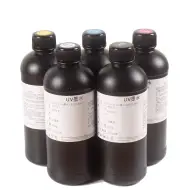
One of the biggest shifts is in eco-friendly inks. Labs are creating UV inks with lower VOC emissions, recyclable components, and even water-based formulas. These advances help manufacturers meet stricter environmental standards without sacrificing quality or speed.
3. Greater Precision and Customization
Advanced UV printers will soon offer ultra-fine resolution and multi-layer printing—think effects like textures, gloss, or matte finishes layered seamlessly. This opens up new design possibilities for product personalization and luxury branding.
4. Increased Automation and Integration
Automation will be more integrated into manufacturing workflows. From online order processing to automated quality checks, the entire pipeline becomes more seamless, reducing errors and increasing capacity. For businesses, this means faster turnaround times at lower costs.
5. Expanded Application Range
As UV printing becomes more flexible and affordable, expect it to penetrate more industries—say, directly printing on curved surfaces, textiles, or even food packaging. The potential is immense and still expanding.
Practical Tips for Staying Ahead
Invest in the Latest Equipment
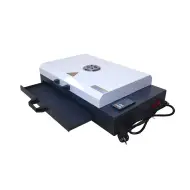
If you"re serious about future-proofing your manufacturing line, consider upgrading to a UV printer like the [Spot UV Printing Machine](https://www.gnfei.com/products/spot-uv-printing-machine-glossy-uv-coating-printer.html). These machines offer high gloss finishes and precise coatings, perfect for premium packaging or branding.
Focus on Sustainability
Green practices are not just buzzwords now—they're necessities. Look for printers that support eco-friendly inks and energy-efficient features. Incorporating sustainable tech can enhance your brand and reduce costs.
Embrace Automation
Smart, connected printers save time and reduce errors. Automation also enables smaller batch runs, which is perfect for customization trends and rapid prototyping.
Stay Informed
Technology moves fast. Keep tabs on industry news, attend webinars, and participate in trade shows. Connecting with peers can give you early insights into upcoming innovations that could influence your strategy.
Real User FAQs About UV Printing Tech
- How soon will these UV printing advances be available for small businesses? Many innovations are already rolling out, with increased affordability expected by 2024-2025.
- Are eco-friendly UV inks as durable as traditional ones? Yes, recent formulations provide comparable or even superior durability, plus environmental benefits.
- Can existing UV printers be upgraded to include AI features? Some models support upgrades or modular additions, but newer models are optimized for smart capabilities.
- What industries will benefit most from these breakthroughs? Packaging, signage, electronics, luxury branding, and customized gifts stand to gain significantly.
- Is UV printing cost-effective for small-scale production? Yes, especially with increased automation and multi-functionality, costs are decreasing and ROI improving.
Staying ahead in manufacturing means embracing these breakthrough UV printing technologies now. They"re redefining quality, sustainability, and efficiency—making 2025 a game-changing year.
Advanced Technical Insights & Application Analysis
One of the key technical differentiators in advanced UV printing lies in ink adhesion and curing efficiency. Modern UV printers employ high-precision UV LED modules that provide unparalleled curing stability. This precise application not only eliminates smearing or streaking but also ensures uniform adhesion across diverse substrates, from rigid plastics to curved surfaces. For industries such as packaging and electronics, this advancement guarantees long-lasting print durability and vibrant visual appeal.
Another critical factor revolutionizing the sector is B2B-focused ROI optimization. By integrating AI-driven analytics into UV printing workflows, operators can dramatically reduce waste and operational costs while enhancing throughput. Automated color calibration and error detection minimize downtime, enabling businesses to handle higher-volume orders without sacrificing quality. These advancements position UV printing as a cost-effective solution for industries seeking scalable yet sustainable production strategies.
Finally, the integration of next-generation eco-friendly UV inks resolves longstanding sustainability challenges. The new formulas reduce volatile organic compound (VOC) emissions while maintaining superior resilience under harsh manufacturing environments. Industries like customized gifts and floral packaging are particularly benefiting from this innovation, as it bridges the gap between high-end aesthetics and environmental stewardship. As UV printing technology continues to evolve, it is clear that these advances will play a pivotal role in reshaping global manufacturing standards.
Frequently Asked Questions
- How do modern UV printers achieve superior ink adhesion on complex surfaces? Advanced models utilize precision UV curing systems, often with adjustable wavelength controls, ensuring consistent adhesion and curing across both flat and curved substrates.
- What is the primary benefit of AI integration in UV printing? AI enhances real-time operational efficiency by predicting maintenance needs, automating calibration, and optimizing production speed, directly reducing costs and improving ROI.
- Are eco-friendly UV inks compatible with traditional UV printers? Many of the latest eco-friendly UV ink formulations are backward-compatible, allowing manufacturers to transition seamlessly without upgrading equipment.
- Which industries benefit most from improved UV curing efficiency? Packaging, signage, electronics, and luxury product branding are industries seeing substantial performance boosts due to enhanced curing techniques.
- How does UV printing compare to traditional methods in terms of scalability? UV printing, with its rapid curing and automation features, outpaces traditional methods by delivering faster cycles and reduced material handling, making it ideal for scaled and diversified production.