Building a Streetwear Brand with On-Demand Printing
Building a Streetwear Brand with On-Demand Printing
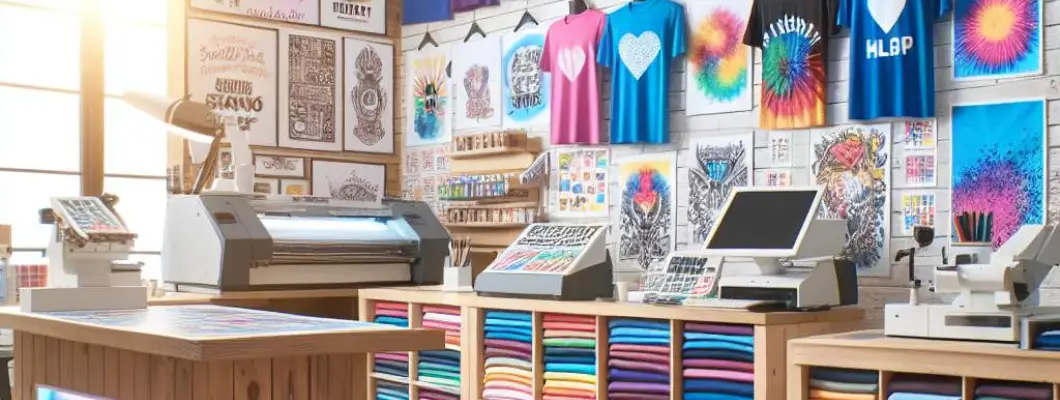
In recent years, the fashion industry has experienced a significant shift towards customization, sustainability, and on-demand production. Streetwear, one of the most dynamic segments of fashion, is no exception. Brands are now leveraging innovative printing technology to create unique, high-quality apparel without the need for large inventories or upfront investments. Whether you"re an aspiring entrepreneur or an established designer looking to expand into the streetwear market, understanding how to build a brand using on-demand printing can open new doors for creativity and scalability.
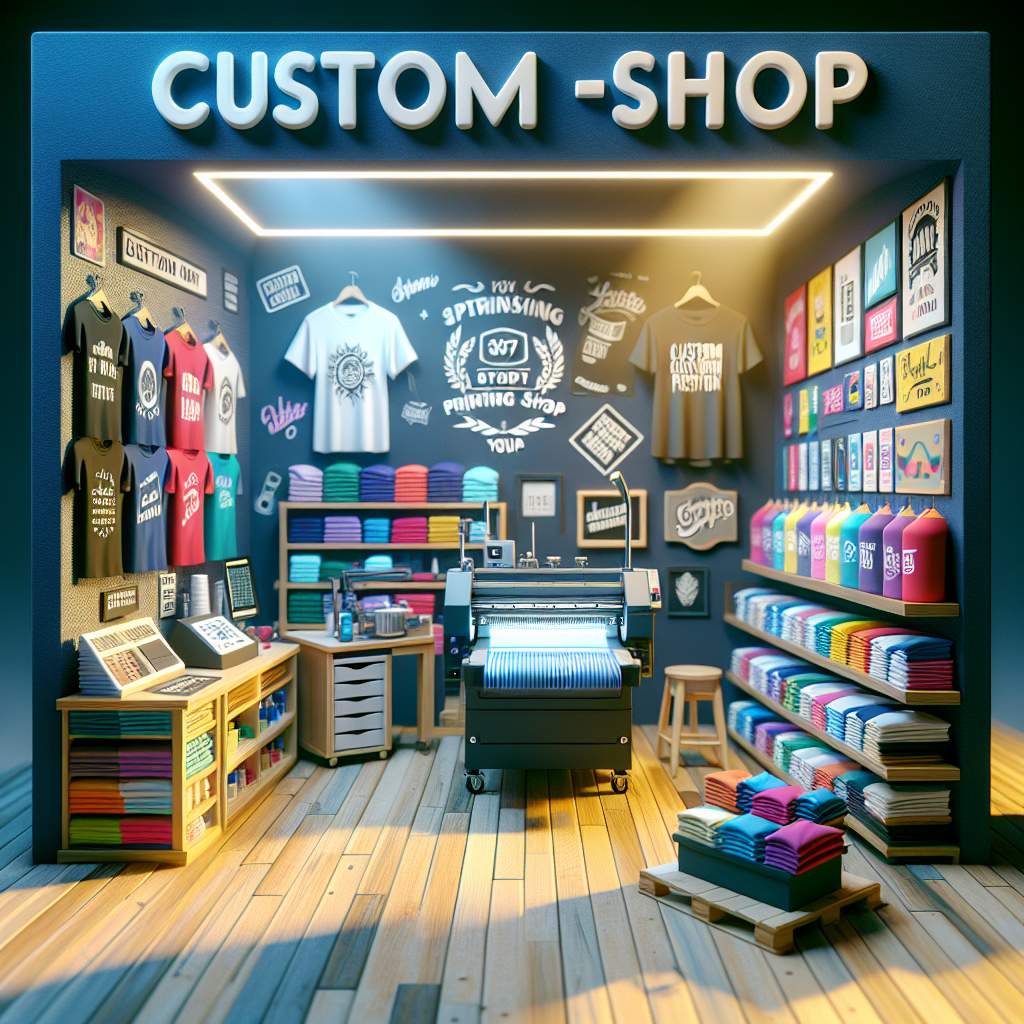
Starting a streetwear brand can seem daunting, especially with traditional manufacturing processes that require massive quantities and upfront costs. However, with the rise of on-demand printing—such as Direct-to-Garment (DTG) printing, sublimation, and eco-friendly screen printing—entrepreneurs can launch a brand with minimal risk. This approach allows you to produce limited runs, test different designs, and respond quickly to market trends. The key is to integrate high-quality printing technology into your business model, ensuring that your apparel stands out in a crowded streetwear landscape.
Understanding On-Demand Printing Technologies for Streetwear
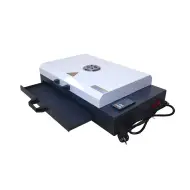
To build a successful streetwear brand using on-demand printing, it"s essential to understand the available technologies. The most popular options include Direct-to-Garment (DTG) printing, dye-sublimation, and heat transfer printing. Among these, DTG printers like the A3 DTG Printer have gained popularity for their ability to produce vibrant, detailed designs directly onto fabric. This technology provides a soft feel, durability, and the ability to print complex images without the need for screens or stencils.
DTG printing works by applying ink directly onto the fabric, much like printing on paper. It is ideal for intricate designs, multiple colors, and small batch production. This capability empowers streetwear brands to experiment with diverse art styles, limited editions, and personalized pieces—traits highly valued by fashion-forward consumers. Additionally, the rapid setup and minimal waste associated with DTG make it cost-effective for startups and small companies.
Steps to Launch Your Streetwear Brand with On-Demand Printing
1. Define Your Brand Identity
Before diving into printing and production, spend time defining your brand"s identity. What is your vision? Who is your target audience? Are you leaning towards urban, punk, skate, or luxury streetwear? Clarifying these details will guide your design choices, marketing, and overall aesthetic. Remember, successful streetwear brands often have a strong, recognizable identity that resonates emotionally with consumers.
2. Design Unique and Trendy Artwork
Design is at the heart of streetwear. Use graphic design tools or collaborate with artists to create compelling visuals that reflect your brand"s vibe. Stay updated with current fashion trends—bold logos, edgy illustrations, vibrant colors, and cultural motifs are popular choices. On-demand printing allows you to test different designs without large commitments, so experiment with limited runs to see what resonates most. This flexibility is crucial in a fast-paced market.
3. Choose the Right Printing Partner and Equipment
Partnering with a reliable printing provider is vital. Research companies that offer high-quality DTG or sublimation printing, quick turnaround times, and competitive pricing. The A3 DTG Printer is an excellent choice for small to medium-sized brands aiming for detailed, vibrant prints with ease of use. Investing in your own equipment can give you greater control over production, quality, and lead times. Ensure your chosen technology aligns with your anticipated order volumes and design complexity.
4. Build an Online Store and Brand Presence
Establish a user-friendly online store to showcase your designs and connect with customers globally. Platforms like Shopify, WooCommerce, or custom websites are popular options. Incorporate high-quality product images, detailed descriptions, and engaging content to reflect your brand identity. Don"t forget to optimize your site for SEO to enhance visibility. Social media channels are equally important—create Instagram, TikTok, and Facebook pages to showcase your products, share behind-the-scenes content, and engage with your audience.
5. Manage Printing, Fulfillment, and Customer Service
With on-demand printing, your production process becomes streamlined. Once an order is placed, your printing partner or your own equipment can produce the apparel quickly. Use integrated order management software to keep track of products, printing status, and shipping details. Excellent customer service—including prompt communication and reliable shipping—builds trust and loyalty, fostering repeat business. As your brand grows, consider integrating your store with third-party logistics (3PL) providers for efficient fulfillment.
Advantages of Using On-Demand Printing for Streetwear
Adopting on-demand printing offers numerous benefits for streetwear entrepreneurs. First, it significantly reduces financial risk: you only produce items when there"s demand, eliminating excess inventory and storage costs. Second, it allows unparalleled flexibility in design, enabling rapid iteration and personalization—this appeals strongly to a market that values individual expression. Third, on-demand printing supports sustainable practices by minimizing waste and reducing overproduction, aligning with the eco-conscious values of many streetwear consumers.
Furthermore, on-demand printing empowers small brands to compete with established players by enabling quick responses to trending styles or cultural shifts. Limited editions, collaborations, or experimental designs can be launched with ease, creating buzz and exclusivity. Overall, this model democratizes fashion manufacturing, allowing more creative voices to enter the streetwear scene and make a meaningful impact.
Tips for Growing Your Streetwear Brand
- Leverage Social Media Influencers: Partner with influencers and brand ambassadors to increase visibility and reach targeted audiences.
- Focus on Quality: Ensure that the prints and materials are durable and comfortable—this builds customer trust and encourages repeat purchases.
- Engage with Your Community: Host events, giveaways, or collaborate with local artists to foster a loyal customer base.
- Stay Updated with Trends: Constantly research street culture and fashion trends to keep your designs relevant.
- Offer Customization: Allow customers to personalize items, creating a stronger emotional connection with your brand.
Conclusion: Your Path to a Thriving Streetwear Brand
Building a streetwear brand with on-demand printing is not just feasible; it"s also a smart strategy in today"s fast-evolving fashion landscape. The flexibility, cost-efficiency, and creative freedom offered by modern printing technologies like DTG—especially when paired with a strong online presence—can turn passionate entrepreneurs into influential streetwear icons. Remember, success lies in authentic branding, innovative designs, and delivering quality and value to your customers. With determination and the right tools, your streetwear brand can carve out its own space in this vibrant industry.
Advanced Technical Insights & Application Analysis
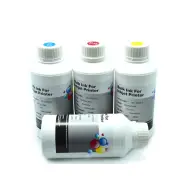
On-demand printing technologies such as Direct-to-Garment (DTG) have revolutionized the streetwear segment by unlocking new possibilities for design precision and production scalability. One of the most significant technical advantages of DTG printing is its ink adhesion capability. By leveraging advanced water-based inks, DTG systems ensure seamless integration of pigment into fabric fibers, which allows for vibrant colors and high-resolution details. The result is a durable and visually impactful product—ideal for dynamic streetwear designs that demand durability without compromising aesthetic quality.
The eco-conscious aspects of DTG further solidify its relevance in modern streetwear production. Unlike traditional bulk manufacturing processes, DTG eliminates overproduction and waste by enabling "on-demand only" workflows. Combined with low-energy UV curing systems and minimal chemical usage, brands can meet both environmental and economic goals, catering to the increasing demand for sustainable fashion. For businesses eyeing scalability, the B2B investment return is particularly notable: faster order turnaround, lower operational overhead, and the ability to adapt quickly to shifting trends offer strategic advantages, especially for small-to-medium enterprises (SMEs).
Additionally, the versatility of equipment such as the A3 DTG Printer deserves special attention. From intricate graphical compositions to custom textural effects, the printer can handle various substrates with consistent quality across cotton, polyester, or blended fabrics. This compatibility ensures widespread applicability for B2B clients looking to offer diverse streetwear options. Such capabilities also align perfectly with emerging consumer demands for personalized fashion and limited-edition collections—areas where streetwear print on demand can lead to significant market differentiation.
Frequently Asked Questions
- What makes DTG printing superior for streetwear applications?
DTG printers allow high-resolution, vibrant prints directly onto fabric, ensuring design clarity and durability. Coupled with on-demand production workflows, DTG minimizes waste while enabling small-batch customization crucial for streetwear brands.
- Is the A3 DTG Printer suitable for cotton-based streetwear products?
Yes, the A3 DTG Printer excels with cotton fabrics, producing vibrant, durable prints with excellent ink adhesion. It's highly versatile and compatible with blended fabrics, making it ideal for streetwear items.
- What are the key factors influencing B2B investment returns with DTG printing?
Key factors include reduced setup times, minimized waste with on-demand workflows, ability to adapt to market trends, lower operational costs, and improved production agility—all of which drive faster ROI for streetwear manufacturers and vendors.
- Can DTG printing achieve sustainable production for streetwear brands?
Absolutely. DTG printing eliminates overproduction, reduces ink waste, and leverages eco-friendly water-based inks, aligning with sustainability goals increasingly prioritized in streetwear markets.
- How does streetwear print on demand foster customization?
On-demand workflows enable small batch production and rapid iteration, allowing brands to experiment with designs or provide personalized items tailored to individual preferences—critical for modern streetwear consumers.