Export-ready UV Printer Adoption Surges in US, Germany and China as Global Demand for Personalized Goods Climbs
Are You Seeing the Surge? Why Export-Ready UV Printers Are Taking Over Globally
Have you noticed more businesses in the US, Germany, and China investing in UV printing technology lately? If you"re wondering why this trend is booming, you"re not alone. The demand for personalized, high-quality printed products is skyrocketing worldwide, and companies are rushing to adopt export-ready UV printers to meet that demand. This isn"t just a temporary fad—it's a fundamental shift in how products are manufactured and customized on a global scale.
What"s Driving the Global Adoption of UV Printers?
1. The Rise of Personalized Goods
Consumers today want products tailored to their tastes—whether it"s custom mugs, branded packaging, or personalized promotional items. UV printers excel at printing high-resolution images directly onto a variety of surfaces, making them ideal for this need. This trend is especially strong in markets like the US, Germany, and China, where consumer preferences are shifting fast.
2. Advanced Technology Makes a Difference
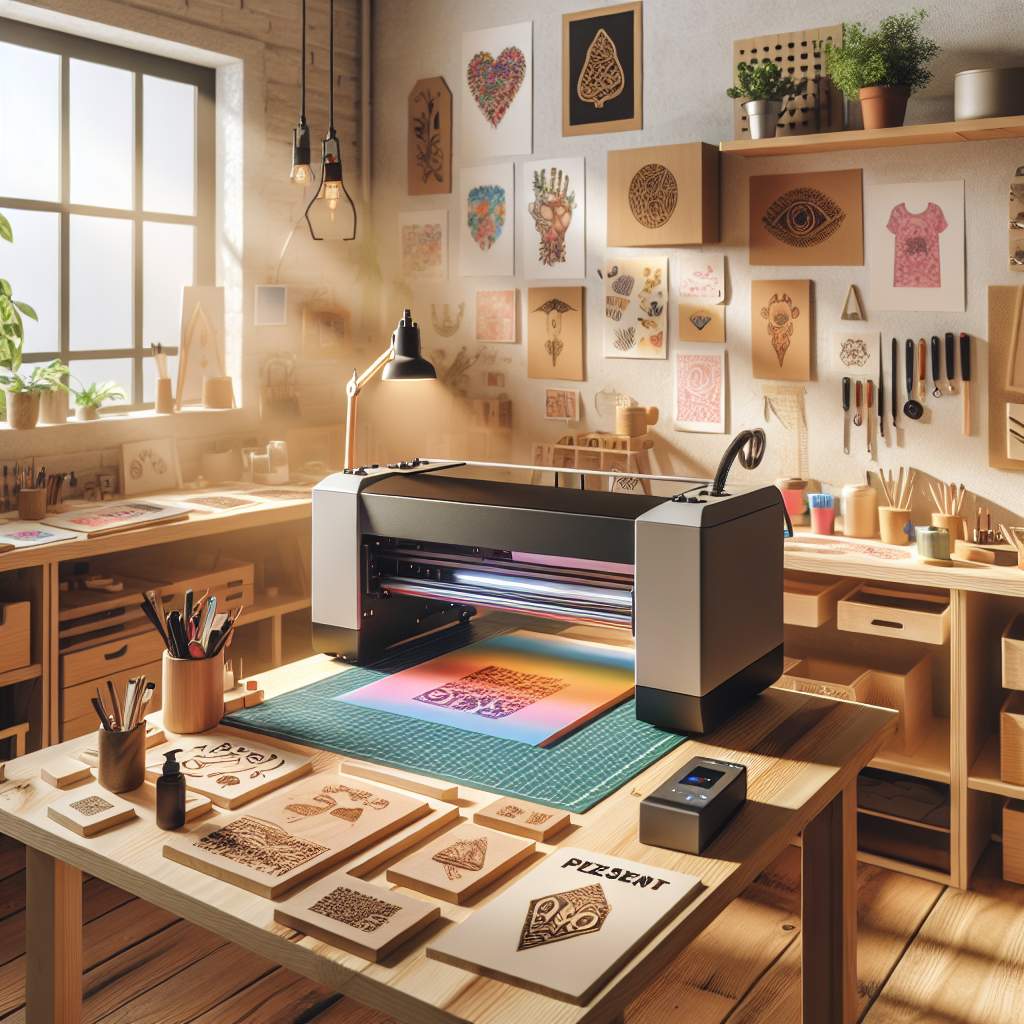
Modern UV printing machines are faster, more reliable, and easier to operate than ever before. They allow businesses to produce smaller batches without sacrificing quality, which is crucial in the era of personalized products. The ability to print directly onto diverse materials—metal, glass, wood, and plastic—opens up endless opportunities. Companies are migrating from traditional printing methods to UV technology for its durability and vibrant finish.
3. Export-Readiness for Global Markets
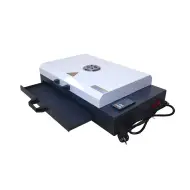
Manufacturers are investing in export-ready UV printers to meet international standards and tap into global markets. These machines are typically compliant with various safety and environmental regulations, making them ideal for cross-border commerce. With a compact footprint and reliable performance, they facilitate quick turnaround times, helping companies stay competitive worldwide. Check out this spot UV printing machine which exemplifies the kind of technology boosting exports now.
Why Are US, Germany, and China Leading the Charge?
1. Market Size and Consumer Power
The US, Germany, and China are among the biggest markets for customized products. In the US, there's a strong culture of gift items and promotional merchandise. Germany's focus on manufacturing innovation and precision fits well with high-quality UV printing. Meanwhile, China"s vast manufacturing base and increasing demand for export goods make it a hub for UV printer adoption.
2. Industry Support and Innovation
Each of these countries invests heavily in R&D, supporting new printing solutions. Governments and industry leaders recognize the strategic importance of advanced digital printing tech, fostering a fertile environment for UV printer adoption. Companies get access to training, resources, and networks that accelerate their growth in this space.
How Can Your Business Benefit from This Trend?
1. Expand Product Offerings
- Start printing personalized items like bottles, labels, or decorative pieces.
- Reduce lead times with quick changeovers on your UV printer.
- Increase margins by offering premium, high-precision products.
2. Tap into Export Markets
By investing in a reliable, export-ready UV printer, your company can meet international standards effortlessly. This opens doors to new clients and markets, especially in regions hungry for customizable products. Consider how many small businesses or brands abroad might be eager for localized printing solutions. The right equipment, like the spot UV coating printer, can be a game-changer.
3. Improve Production Efficiency
- Minimize waste with precise printing capabilities.
- Automate processes to reduce labor and errors.
- Ensure consistency across large batches or individual pieces.
A Personal Example: Talking Shop Over Coffee
Imagine chatting with Mike, a small business owner in Berlin. He told me how he switched to UV printing because he wanted to customize coffee mugs for his clients. He said, "The switch was a game-changer. I can now handle orders from Singapore or LA without extra hassle. My clients love the quality, and my turnaround time improved." That"s the power of adoption—local businesses can now compete globally with the right equipment.
Top FAQs About Export-Ready UV Printers
1. What makes a UV printer "export-ready"?
Typically, these printers comply with international safety standards, are designed for high-volume production, and can handle diverse materials. They often feature plug-and-play connectivity, eco-friendly operation, and certifications like CE or RoHS.
2. How does UV printing compare to traditional methods?
UV printers print directly onto surfaces, offering sharper images and more durability. They eliminate need for layers like adhesives or extra coating steps, saving time and cost.
3. Are UV printers easy to operate for small businesses?
Modern UV printers are designed for user-friendliness, with intuitive interfaces and automation features. Training is usually straightforward, and many suppliers offer support.
4. What"s the typical investment cost for an export-ready UV printer?
Prices range from $20,000 to over $100,000 depending on size and features. Consider it an investment into expanding your product range and entering global markets.
5. Can UV printers print on irregularly shaped objects?
Yes! Unlike traditional flatbed printers, many UV models handle curved or uneven surfaces, opening up creative possibilities.
Advanced Technical Insights & Application Analysis
The evolution of export-ready UV printers is rooted in their advanced technological capabilities, particularly in domains like ink adhesion and UV curing efficiency. A critical advantage of these printers is their ability to achieve superior ink adherence on diverse materials such as metal, glass, and plastic. This is accomplished through advanced UV curing systems that instantly polymerize the ink upon exposure to UV light. Unlike traditional solvent-based or water-based methods, UV curing ensures a flawless finish with heightened durability, making printed products resistant to wear, fading, and environmental stressors. This capability is vital for industries demanding premium quality customized goods, from the automotive sector to high-end packaging solutions.
Another standout feature of export-ready UV printers lies in their B2B investment potential. Leveraging efficiency metrics such as rapid print speeds and minimized downtime, these machines allow businesses to swiftly adapt to fluctuating market demands while maintaining production consistency. ROI analysis shows that companies adopting UV technology witness reduced operational costs over time, thanks to automated workflows and eco-conscious features like low energy consumption and minimal material waste. Furthermore, manufacturers placing orders for Chinese UV printers often benefit from cutting-edge innovations projected to dominate the market by 2026. These advancements include multi-axis print-head movement for irregular shapes, integrated AI calibrations for quality control, and modular upgrades for scalability in large-scale production.
In practical terms, the unmatched versatility of modern UV printers, especially those developed in technologically advanced hubs like China, has broadened their application scope. For example, businesses involved in high-resolution decorative printing can leverage UV printers to tap into export markets that demand unique, customized items. Such equipment not only enables the printing of intricate designs but also achieves great precision on substrates with unconventional textures or forms. This innovation makes UV printers indispensable for industries prioritizing both aesthetic appeal and functional performance.
Frequently Asked Questions
- How does UV curing impact ink longevity? UV curing ensures instant ink polymerization, making the print layers more resistant to wear and external conditions such as UV radiation and humidity, leading to longer-lasting results.
- Can export-ready UV printers handle bulk production efficiently? Yes, their optimized ink systems, coupled with high-speed curing modules, are designed for large-scale operations while maintaining premium print quality.
- What recent advances in Chinese UV printers should businesses consider? Innovations such as automated ink recirculation systems, adaptive print-head alignment, and faster curing times are expected to be widely adopted by 2026.
- Are UV printers environmentally friendly? Export-ready models often comply with global eco-standards, incorporating energy-efficient UV lamps and waterless printing processes to minimize environmental impact.
- Can UV printers work on challenging surfaces like ceramics or textiles? Yes, thanks to their enhanced adhesion properties and versatile ink formulations, UV printers can handle even porous or uneven surfaces with exceptional precision.