From Design to Production: How DTG Printing Enhances Brand Competitiveness
Are you struggling to stand out in the crowded world of apparel branding?
If you've ever felt stuck wondering how brands consistently produce high-quality, eye-catching merchandise, you're not alone. From design to production, every step matters — and that"s where DTG printing can give you a real edge. Today, I want to share how direct-to-garment (DTG) printing is transforming the way brands create customized apparel and enhance their competitiveness in a saturated market.
What is DTG Printing and Why It Matters
DTG, or Direct-to-Garment printing, is a modern printing technique that applies ink directly onto fabric — much like a high-resolution printer. Unlike traditional screen printing, DTG allows for complex images, detailed designs, and vibrant colors to be printed on apparel with minimal setup time.
This means brands can move from concept to finished product faster, without sacrificing quality. Plus, DTG is perfect for small runs or one-off designs — a huge advantage for brands constantly updating their collections or offering personalized options.
Advantages of DTG Printing for Your Brand
- High-Quality, Detailed Prints: DTG produces sharp images with fine details and vibrant colors. Your designs will look professional and eye-catching.
- Fast Turnaround: No need to create screens for each design. This reduces production times significantly, so you can get your products to market quicker.
- Cost-Effective for Small Batches: Traditional screen printing can be expensive for small runs because of setup costs. DTG skips that, making small quantities more affordable.
- Customizability: It"s ideal for personalized merchandise or one-off designs, supporting a more flexible, customer-centric approach.
- Eco-Friendly: Less waste is produced compared to screen printing, making it a more sustainable choice for brands looking to improve their ecological footprint.
From Design to Production: How DTG Enhances Your Brand"s Competitiveness
Every step of your apparel product journey benefits from DTG printing. Here"s a quick rundown of how it streamlines the process:
1. Faster Prototyping and Sampling
Imagine you"re developing a new T-shirt line. With traditional methods, creating samples can take days or weeks, especially if you need different colors or intricate designs. DTG lets you print high-quality prototypes in just a few hours. That means quicker feedback, faster tweaks, and less time waiting before launch.
2. Lower Setup Costs Fuel Innovation
For small businesses or brands experimenting with new ideas, high setup costs have been a barrier. DTG eliminates the need for screens or additional tooling, enabling you to test new concepts without committing to massive orders or expenses.
3. Personalized and Limited Editions
Ever wanted to offer limited-edition prints or personalized merchandise? DTG makes this straightforward, helping you tap into current trends like customized apparel or event-specific merchandise. Your customers will appreciate the unique touch, and you get a competitive advantage.
4. Sustainable Production Means Better Brand Image
Consumers are more eco-aware than ever. DTG"s eco-friendly printing process aligns with this trend, allowing your brand to promote sustainability while delivering premium products. This can be a significant differentiator, especially among younger customers.
Choosing the Right DTG Printer for Your Brand
Not all DTG printers are created equal. The right choice depends on your production volume, budget, and quality expectations.
What to Look For:
- Print Quality: Look for printers with high resolution (at least 1200 dpi) for detailed, vibrant images.
- Compatibility with Fabrics: Ensure the printer can handle different types of apparel and fabrics.
- Ease of Use: User-friendly interfaces and maintenance features save time and reduce errors.
- Cost of Ink and Supplies: Budget for ongoing costs as they can impact overall ROI.
- Support and Service: Reliable customer service helps prevent downtime and ensures consistent quality.
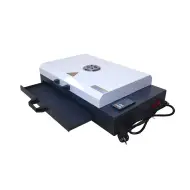
For instance, the A3 DTG Printer offers a good balance of quality, speed, and affordability for small to medium brands looking to scale sustainably.
Integrating DTG into Your Production Line
Ready to implement? Here"s a quick guide:
- Assess Your Needs: Determine your daily volume, design complexity, and budget.
- Invest in Training: Your team should understand the printing process, fabric preparation, and maintenance.
- Establish Quality Control: Regular checks ensure your prints match your standards and reduce waste.
- Develop Design Workflows: Use reliable software for designing and color management to maximize print quality.
- Optimize Material Handling: Invest in quality shirts and pre-treatment options to enhance image adhesion and durability.
Once set, your production becomes more flexible, responsive, and capable of meeting changing customer demands without hefty costs or delays.
Frequently Asked Questions (FAQs)
1. How does DTG printing compare to screen printing?
DTG offers faster setup and is more cost-effective for small runs or complex designs, whereas screen printing is better suited for large orders with simple, repetitive images.
2. Can DTG printing handle all fabric types?
Most common fabrics like cotton and blends work well. However, polyester or synthetic fabrics may require special pre-treatment or may not produce optimal results.
3. What is the typical price range for a good DTG printer?
Prices vary widely, but entry-level models start around $10,000, while high-end commercial units can go beyond $50,000. Consider your scale and needs when choosing.
4. How durable are DTG prints over time?
With proper pre-treatment and curing, DTG prints are quite durable and can withstand multiple washes while maintaining vibrancy and detail.
5. Is it easy to scale DTG printing as my brand grows?
Yes, many brands start with one printer and add more as demand increases. The process is flexible, and upgrades are straightforward, helping you grow without overhauling your system.