From Sketchbook to Streetwear: The Ultimate Survival Guide for Starting a T-Shirt Brand from Your Garage
Are you struggling to turn your passion for design into a successful streetwear T-shirt brand? Do you feel overwhelmed by the process of starting from scratch in your garage? You're not alone. Many entrepreneurs face similar challenges when launching their own apparel line, especially when aiming for that authentic streetwear vibe. If you"ve ever wondered how to go from a simple sketchbook to a thriving clothing brand, this guide is for you. We"ll walk through every critical step to help you build a brand that stands out, even with limited space and resources. Let"s dive into transforming your creative ideas into a market-ready T-shirt line that can take on the streets and the web.
Starting a T-shirt brand from your garage might sound daunting, but with a clear plan and the right tools, it"s entirely achievable. Think of it like turning a hobby into a business—your sketches become the core designs, and with dedicated effort, you"ll see your garage transform into a mini factory. Take, for example, Alex, a graphic designer who started in his garage, sketching T-shirts late into the night. Within a year, his brand gained recognition on social media, and he now supplies streetwear shops across the city. His secret? Small steps, consistent quality, and understanding the basics of production and marketing. Now, let"s explore how you can do the same, starting with the fundamentals.
Creating Your Unique Streetwear Concept
Every successful T-shirt brand begins with a strong concept. What"s your unique selling point? Are you inspired by graffiti art, skate culture, or urban fashion trends? Defining your niche helps you stand out in a crowded marketplace. Start by brainstorming themes and aesthetics that resonate with your target audience. Sketch out initial designs in your sketchbook, focusing on simplicity, bold graphics, and originality—key attributes of streetwear fashion.
Think about color palettes, slogans, or symbols that can become your brand"s signature. Remember, consistency in your theme makes your brand recognizable. Building a mood board online or Pinterest can help you visualize your brand identity. Once you have a handful of designs, test them out with friends or online communities to gauge interest and gather feedback.
Designing Your T-Shirts for Market Success
Your T-shirts should not only look good but also appeal to your target audience"s values and lifestyles. Use software like Adobe Illustrator or free alternatives like GIMP to refine your designs. If you're not confident in your skills, consider collaborating with freelance designers or using design platforms. Keep your designs simple but impactful, experimenting with bold graphics and minimal text to capture streetwear"s edgy aesthetic.
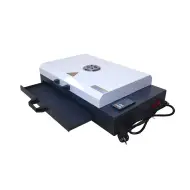
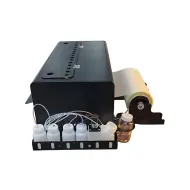
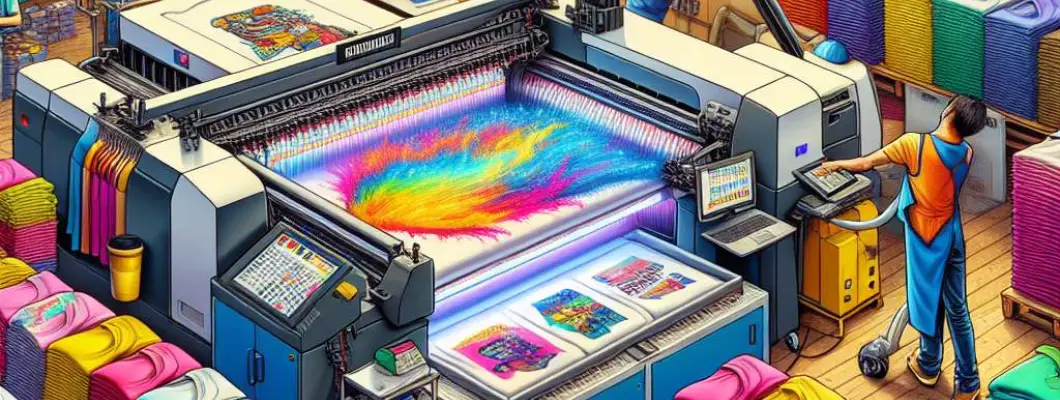
Don"t forget to consider fabric quality and print durability, as these are critical for customer satisfaction. When designing, keep in mind the different printing methods—screen printing, heat transfer, or direct-to-garment (DTG)—and choose the best fit for your budget and quality expectations. You can explore affordable, high-quality printers like the A3 DTG Printer to produce vibrant, detailed designs at home or in your garage. This investment allows you to create samples and test designs before scaling up.
Setting Up Your Garage as a Small-Scale Production Hub
Transforming your garage into a productive T-shirt printing station requires organization and the right equipment. Apart from a reliable printer like the A3 DTG, you'll need heat presses, cutting mats, and storage for materials. Keep your workspace clean and well-lit for safety and efficiency. Invest in quality blank T-shirts made from comfortable fabric—organic cotton or blends tend to be popular in streetwear.
Once your setup is ready, start producing samples to evaluate the print quality and fit. Test different colors and fabrics to refine your product line. Remember, quality control is key; customers expect durability and vibrant prints. Smaller batches allow you to experiment with designs and avoid overproduction, keeping your costs manageable as you learn what sells best.
Branding, Packaging, and Building Your Presence
Your brand identity extends beyond designs. Develop a compelling logo, consistent visual style, and packaging that makes your shirts memorable. Custom tags, branded tissue paper, or eco-friendly packaging can enhance perceived value. Launch a professional website and utilize social media platforms like Instagram and TikTok to showcase your collections and connect with fans.
Storytelling matters. Share your journey—from sketching ideas in your garage to creating streetwear that resonates. Engage with your audience through behind-the-scenes videos, style tips, and customer features. Interactive content builds loyalty and boosts word-of-mouth marketing.
Effective Marketing and Selling Strategies
Leverage social media advertising to target your ideal customers—urban youth, skateboarders, street art enthusiasts. Collaborate with micro-influencers who align with your brand. Set up an online store using platforms like Shopify or Etsy, optimized for mobile shopping.
Participate in local markets and streetwear pop-ups to gain visibility and gather direct customer feedback. Offer exclusive drops or limited editions to create hype and exclusivity. Email marketing remains a powerful tool—collect customer emails and send updates, promotions, and new arrivals. Consistency and authenticity in your messaging reinforce your brand story, making it more relatable and memorable.
Scaling Up Your T-Shirt Business
Once your garage operation gains traction, consider expanding production. Automate parts of your workflow with advanced printers and bulk-order supplies. Explore partnerships with local screen printers or manufacturers to handle larger volumes. Maintain quality standards as scale increases by establishing clear production SOPs and quality checks.
Financial planning is essential. Track expenses meticulously and price your products to ensure healthy margins. Reinvest profits into marketing and equipment upgrades. Stay updated with streetwear trends and continue evolving your designs to keep your brand fresh and desirable.
Remember, consistency, quality, and authenticity are your best tools in carving out a niche in streetwear fashion. Your garage is more than a workspace; it's the birthplace of your brand"s identity and future growth.
FAQs
- Can I start a T-shirt brand with no experience? Yes, many entrepreneurs begin with minimal experience. Focus on learning design basics, understanding printing methods, and building a brand story. Resources online and community groups can provide valuable support.
- What"s the best printing method for small-scale production? Direct-to-garment (DTG) printing is ideal for small runs due to its cost-effectiveness and ability to produce detailed designs. The A3 DTG Printer is a popular choice among garage entrepreneurs.
- How do I price my T-shirts competitively? Calculate your costs (materials, printing, labor) and add a markup for profit. Research competitors to understand market rates, but don"t undervalue your unique designs and quality.
- How can I promote my brand without big marketing budgets? Use social media, collaborate with influencers, participate in local events, and encourage customers to share their photos wearing your shirts. Creating a strong story behind your brand often resonates more than paid ads.
- What legal considerations should I be aware of? Protect your designs with copyrights or trademarks if desired. Register your business locally, and be aware of copyright laws related to artwork and slogans. Always source materials legally and maintain proper business licenses.