High-end streetwear brands turning to DTG for detail-rich design replication
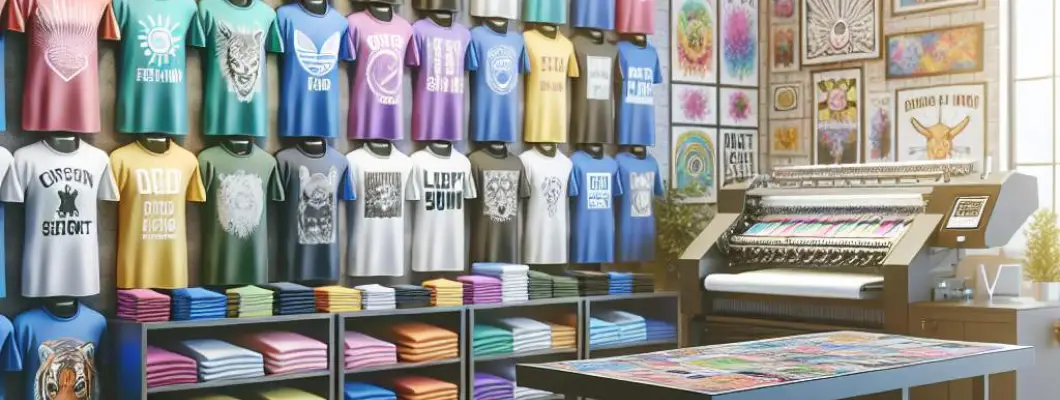
High-end streetwear brands turning to DTG for detail-rich design replication
In the fast-paced world of streetwear fashion, brands are constantly seeking innovative ways to stand out. As consumers demand more intricate and vibrant designs, high-end streetwear labels are turning to advanced printing technologies to meet these expectations. One technology gaining significant traction is Direct-to-Garment (DTG) printing, which allows brands to produce highly detailed and colorful designs directly on apparel with exceptional precision.
Unlike traditional screen printing or heat transfer methods, DTG offers the flexibility to craft complex artworks with a multitude of colors and subtle shading. For high-end streetwear brands that prioritize unique aesthetics and high-quality finishes, DTG provides the perfect solution. It enables designers to translate their visions into reality with minimal limitations, fostering creativity and innovation at every step. The ability to reproduce intricate patterns, fine line work, and photographic images directly onto garments elevates streetwear to a new level of artistry and sophistication.
One of the key benefits of integrating DTG into their manufacturing process is the impressive level of detail the technology can achieve. Artists and designers can produce garments with hyper-realistic images, delicate motifs, and complex layered effects that were previously challenging or impossible with traditional methods. For example, a high-end streetwear piece featuring a detailed photographic portrait or an elaborate illustration can be reproduced with stunning clarity and vibrancy. This detail-rich design replication helps brands convey their stories more powerfully, resonating with a worldwide audience hungry for authenticity and artistic expression.
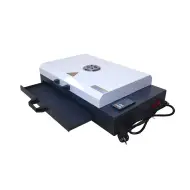
Moreover, DTG's digital nature offers unparalleled ease of customization. Small batch runs and one-off designs are now more feasible than ever, enabling brands to respond quickly to trending topics, collaborate with artists, or offer limited editions. This agility is particularly valuable in the ever-evolving streetwear scene, where exclusivity and rapid product turnover drive consumer interest. Additionally, the ability to produce high-quality samples swiftly allows brands to fine-tune their designs before mass production, reducing waste and improving efficiency. For brands considering expanding their design capabilities, exploring options like the A3 DTG Printer can be a game-changer in achieving professional-level, detail-rich prints.
Another advantage of DTG technology is its eco-friendliness compared to traditional printing methods. Since it uses water-based inks with low environmental impact and eliminates the need for harmful chemicals or excessive waste, brands committed to sustainability find DTG an attractive option. This aligns with the values of many modern consumers who prioritize eco-conscious fashion choices. As a result, high-end streetwear brands that implement sustainable practices alongside advanced printing techniques are enhancing their reputation and appeal in the global market.
Quality control is paramount for luxury brands, and DTG provides consistent, high-resolution prints that meet rigorous standards. The precision of modern DTG printers ensures that every garment maintains the integrity of the original design, with sharp detail and vibrant colors retention even after multiple washes. This durability is essential for high-end streetwear where Brand reputation depends on product longevity. Combining DTG with premium fabrics, such as high-quality cottons or blends, further enhances the overall garment feel and appearance, creating a seamless blend of style and durability.
Adoption of DTG technology also opens creative avenues for collaboration. Many brands are partnering with graphic artists, illustrators, and digital designers to produce limited-edition collections that feature exclusive, detail-rich artwork. This synergy results in garments that are truly unique, personalized, and highly collectible. For example, streetwear brands could work with street artists or well-known illustrators to develop signature pieces that showcase detailed line work or complex color gradients, all achievable through DTG. Such collaborations not only elevate brand prestige but also foster a deeper connection with art and fashion communities worldwide.
Furthermore, the evolution of DTG equipment continues to improve print quality, speed, and affordability. Modern printers, like the A3 DTG Printer, now offer larger print areas, faster production times, and enhanced image resolution, making them suitable for both small boutiques and large-scale production facilities. As these technologies become more accessible, even emerging streetwear brands can leverage the power of detailed digital printing to carve out their niche in a competitive market. Embracing DTG not only boosts design flexibility but also accelerates time-to-market, enabling brands to stay ahead of evolving trends and consumer preferences.
In conclusion, high-end streetwear brands are increasingly adopting DTG printing to produce detailed, vibrant designs that captivate and engage a global audience. Its ability to accurately reproduce complex artworks, facilitate customization, and support sustainable practices makes DTG a vital tool in modern streetwear manufacturing. As the technology advances, we can expect even more innovative applications, pushing the boundaries of what"s possible in fashion printing. For brands looking to elevate their design game and meet the rising demand for intricate, high-quality apparel, exploring DTG solutions like the A3 DTG Printer is a step toward creating visually stunning and commercially successful collections that resonate worldwide.
Advanced Technical Insights & Application Analysis
While Direct-to-Garment (DTG) printing remains a cornerstone for high-end streetwear design, advancements in Direct-to-Film (DTF) printing technology are emerging as a complementary tool for luxury streetwear brands. DTF excels in scenarios where printing on unconventional fabrics or high-stretch materials is required, providing unparalleled versatility for brands that want to experiment with innovative apparel concepts. Unlike DTG, which primarily targets precision on natural fibers like cotton, DTF enables printing directly onto film and transferring designs onto diverse textiles, including polyester, nylon, and blends. High-quality DTF prints showcase excellent ink adhesion, ensuring long-lasting durability even under high-stress conditions such as frequent washes or stretches commonly experienced in streetwear garments.
One technical advantage of DTF printing is its ability to produce highly vibrant and opaque color applications, even on dark or pre-dyed textiles. This capability is particularly beneficial for creating bold, statement-making streetwear pieces that demand visibility in crowded fashion markets. Additionally, DTF employs advanced hot melt powder technology in the transfer process, enhancing the bond between the ink layers and the garment substrate. The result is superior wear resistance and flexibility, allowing luxury streetwear brands to introduce more experimental designs without compromising on quality or durability. Emerging printing equipment designed for dual DTG/DTF applications, such as hybrid printer models, offers brands cost-efficient workflows, saving both time and operational expenses while expanding their customization abilities.
From a B2B perspective, integrating DTF printing technology alongside DTG in production facilities opens opportunities for broader product development. Luxury streetwear brands can utilize DTF for small, targeted campaigns featuring unique fabrics and high-stretch garments, while reserving DTG for intricate, detail-heavy prints. This dual adoption strategy maximizes return on investment (ROI) by diversifying manufacturing capabilities without requiring substantial reinvestment in large-scale machinery. With scalable options ranging from desktop DTF printers for limited-run projects to industrial-grade setups, streetwear producers can adapt to fluctuating market demands, ensuring a competitive edge in the high-end apparel landscape.
Frequently Asked Questions
- Q: Do luxury streetwear brands use DTF printing for fabric innovation?
A: Yes, many high-end streetwear companies are adopting DTF printing for creating standout designs on unconventional materials like polyester and stretch fabrics, bringing novel aesthetics and functionalities to their collections.
- Q: Is DTF printing suitable for detailed streetwear graphics?
A: Absolutely. DTF excels in achieving vibrant, detailed prints with high opacity, making it ideal for multilayered artworks and bold designs frequently seen in luxury streetwear.
- Q: What are the cost advantages of combining DTG and DTF printing?
A: Utilizing both technologies enables brands to streamline production costs by aligning printing methods with specific material and design requirements, thereby enhancing operational efficiency and overall profitability.
- Q: How does DTF handle design durability compared to traditional methods?
A: DTF prints are highly durable due to their excellent ink adherence and flexibility, outperforming many traditional methods in maintaining design integrity on stretch or textured fabrics.
- Q: Can emerging streetwear brands implement DTF printing affordably?
A: Yes, with advancements in compact DTF equipment, even smaller brands can access high-quality results at a fraction of the cost compared to more industrial systems.