How a DTG Printer Helps Apparel Businesses Reduce Inventory Risk
Are you struggling to manage inventory while trying to grow your apparel business?
If the answer is yes, you"re not alone. Many apparel entrepreneurs face the dilemma of overstocking products or running out of inventory when customer demand spikes. It"s a tough balancing act. But what if there was a way to streamline this process and reduce your inventory risk significantly?
How a DTG Printer Transforms Your Apparel Business
Direct-to-Garment (DTG) printing technology has become a game-changer for clothing brands and small manufacturers. Instead of producing large batches of designs upfront, a DTG printer allows you to print on demand. This shift in your production process can help you save money, avoid excess stock, and respond faster to customer needs.
What is a DTG Printer?
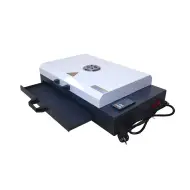
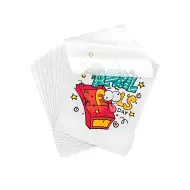
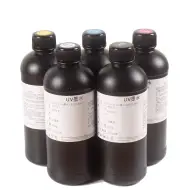
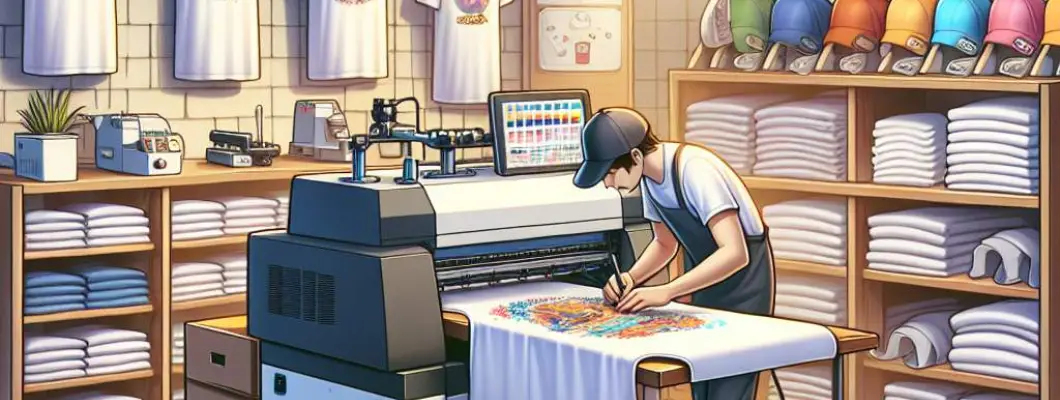
A DTG printer is a high-quality printing machine designed to print detailed images directly onto fabric. Think of it as an inkjet printer but for clothing. It sprays water-based inks directly into the fibers of the fabric, giving vibrant color and durability. Unlike traditional screen printing, DTG offers quick setup, less waste, and limitless design options.
The Key Benefits of Using a DTG Printer
- On-Demand Production: Print only what is ordered, reducing unsold stock.
- Lower Inventory Costs: Save money by avoiding bulk purchase and storage fees.
- Faster Turnaround: Fulfill orders quickly, keeping customers happy.
- Flexibility in Designs: Change patterns or logos easily without extra costs.
- Eco-Friendly Printing: Water-based inks and less waste mean a greener process.
Real-Life Example: From Overstock to On-Demand Success
I recently chatted with a small apparel brand owner who was drowning in unsold shirts. They had spent thousands on bulk orders for seasonal designs. After investing in a DTG printer, they shifted to printing only what customers ordered. Not only did this cut their inventory costs, but they also became more agile with new designs. Their customers loved the custom options, and the business started thriving with less upfront risk.
Overcoming Challenges with a DTG Printer
Some people worry about the learning curve or initial costs. Here's what you should know:
- Initial Investment: A quality DTG printer might seem pricey initially, but it pays off in the long run.
- Learning Curve: It takes some practice to perfect printing techniques, but support from manufacturers and online tutorials makes it manageable.
- Design Preparation: You need good design software, but most printers come with compatible programs.
Think of it like learning to ride a bike — initially challenging but rewarding once mastered. Plus, with the right setup, maintenance becomes straightforward.
Why Choose the Right DTG Printer for Your Business
If you"re considering a DTG printer, check out [this model](https://www.gnfei.com/products/a3-dtg-printer.html). It"s reliable, easy to operate, and offers excellent print quality. Keep in mind:
- Print Speed: Important if you have high-volume orders.
- Color Accuracy: Ensures your designs look vibrant and true-to-life.
- Ease of Maintenance: Regular upkeep keeps your business running smoothly.
- Cost and Support: Excellent after-sales support is essential for new tech adoption.
Practical Tips to Maximize Your DTG Printer Investment
- Focus on a Niche: Specialize in a specific style or audience to streamline your design process.
- Keep Designs Simple but Impactful: Bold, vibrant images pop better on garments and print faster.
- Test and Refine: Always run test prints to ensure quality before fulfilling orders.
- Combine with E-commerce: Use online stores for orders to further reduce inventory risk.
- Offer Customization: Let customers personalize products—this adds value and reduces stock risks.
Frequently Asked Questions
1. How much does a good DTG printer cost?
Prices range from around $10,000 to $20,000 for professional-grade machines. While it"s a significant investment upfront, the savings on inventory and increased order flexibility make it worthwhile.
2. Is DTG printing better than screen printing?
DTG excels at detailed, colorful designs and small batches. Screen printing is more cost-effective for large orders of the same design. For on-demand, custom, or small runs, DTG is generally superior.
3. How durable are DTG prints?
If applied correctly and cured properly, DTG prints are durable and wash well—comparable to traditional methods.
4. Can I print on different types of fabric?
Yes, but most effective on 100% cotton or blends with high cotton content. Always check your printer's specifications for compatible materials.
5. How do I start with DTG printing?
Begin with research, choose a reliable machine, learn the process through tutorials and support, and start with small batches. Gradually expand as you gain experience.
Advanced Technical Insights & Application Analysis
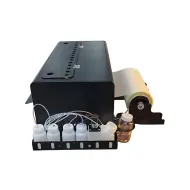
One of the most compelling technical advantages of investing in a Direct-to-Garment (DTG) printer lies in its precision-controlled ink application and fiber-level adherence. Unlike traditional methods that rely on surface-level coatings, DTG technology utilizes advanced water-based inks that penetrate deeply into the textile fibers. This results in superior durability and vivid color reproduction, perfect for small apparel brand owners aiming to deliver high-quality products efficiently. Furthermore, modern DTG printers integrate intelligent ink circulation systems to eliminate manual intervention, reducing operational downtime while enhancing print reliability.
Another critical benefit is the seamless compatibility with e-commerce-driven, on-demand manufacturing models. DTG printers are specifically designed to handle variable-print jobs, making them ideal for micro-batch production or custom orders often demanded by niche audiences. Small apparel brands can leverage this flexibility to minimize inventory risks, respond dynamically to consumer trends, and reduce their upfront investment costs significantly. The elimination of traditional bulk printing allows business owners to channel saved capital into customer acquisition strategies or advanced design software tools to further refine their creative output.
Moreover, adopting DTG printing enables a more sustainable manufacturing process. By utilizing eco-friendly water-based inks and reducing waste associated with overproduction, DTG technology aligns small-scale apparel businesses with the global push for environmentally conscious manufacturing. For B2B transactions, this feature is increasingly becoming a selling point, as more suppliers and end-customers value sustainability in partnership agreements. The streamlined process also translates into lower energy consumption per output unit, ensuring a long-term reduction in operating costs and a higher return on investment (ROI).
Frequently Asked Questions
- What is the expected lifespan of DTG prints? DTG prints, when properly cured, can last 50+ washes without significant fading. High-cotton fabrics extend durability due to better ink absorption.
- How does DTG printing compare in speed for bulk orders? While DTG excels in on-demand printing and customization, for high-volume identical orders, screen printing may still outperform in production speed per unit.
- What fabric types work best with DTG printers? DTG printers are most effective on 100% cotton or cotton-blend materials with a high cotton ratio. Specialized pretreatment can expand compatibility with other fabrics.
- Can DTG printing handle intricate designs accurately? Yes, DTG technology is optimized for high-resolution designs, enabling businesses to print intricate patterns or photorealistic imagery effortlessly.
- What post-print maintenance is required for a DTG printer? Routine cleaning of nozzles, ink systems, and print beds is essential to ensure consistent quality. Automated maintenance features in most high-grade DTG printers simplify this process dramatically.