How On-Demand Printing Helps Small Fashion Brands Scale Without Inventory Risks
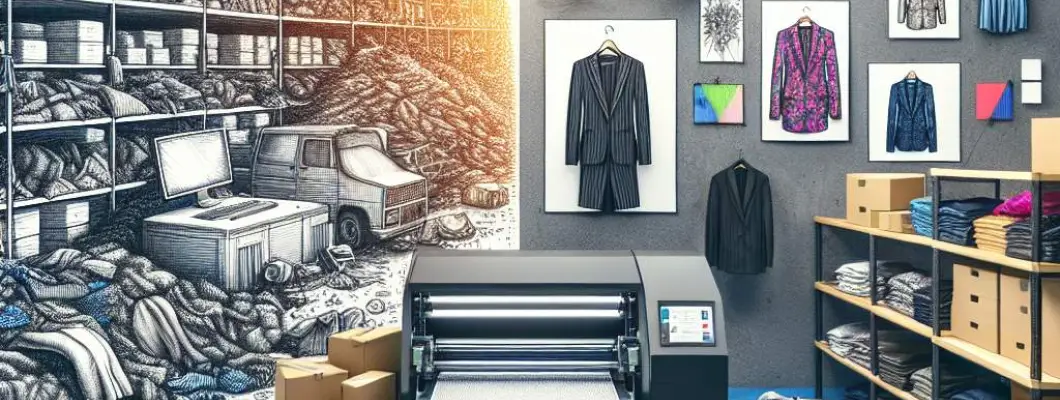
In the rapidly evolving world of fashion, small brands often face the daunting challenge of scaling their operations while managing the risks associated with inventory. Traditional manufacturing methods require significant upfront investment in materials and production, which can lead to excess stock, unsold inventory, and financial strain. However, an innovative solution has emerged that transforms how small fashion brands approach growth: on-demand printing. This technology allows brands to produce clothing and accessories only when customer orders are placed, minimizing waste and maximizing flexibility.
On-demand printing offers a game-changing approach for emerging fashion labels aiming to expand without the burden of large inventory investments. Instead of producing hundreds or thousands of units in advance, brands can now manufacture items in real-time, tailored to each customer"s preference. This means no more overstock, reduced storage costs, and less risk of unsold goods. Moreover, on-demand printing empowers brands to experiment with new designs and limited editions, catering to a diverse range of customer tastes without financial jeopardy. As a result, small brands can compete more effectively with established players by offering a constantly refreshed product lineup, keeping their collections innovative and responsive to market demands.
One of the significant advantages of on-demand printing is its environmental impact. Unlike traditional manufacturing, which often results in substantial waste due to unsold inventory, on-demand production minimizes excess material usage and waste. This sustainable approach resonates well with environmentally conscious consumers, who increasingly seek brands committed to eco-friendly practices. Additionally, by producing only what is ordered, brands can reduce their carbon footprint associated with transportation and storage, aligning their businessmodel with the principles of sustainable fashion. This not only benefits the planet but also enhances brand reputation and customer loyalty, key factors in growing small fashion businesses in a competitive market.
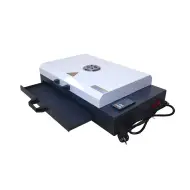
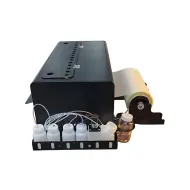
Implementing on-demand printing doesn't require a complete overhaul of existing operations, especially with the availability of advanced printing technology. For instance, the A3 DTG Printer by GNFEI offers high-quality direct-to-garment printing that is perfect for small to medium-sized fashion brands. This printer enables vibrant, detailed designs to be printed directly onto textiles with minimal setup time and waste. Its user-friendly interface and reliable performance make it a popular choice for brands looking to scale their product offerings without investing in large-scale manufacturing infrastructure. By adopting such technology, brands can quickly test new ideas, customize products, and respond swiftly to market trends—all while remaining lean and agile.
Furthermore, on-demand printing enhances the customer experience. Today"s consumers value personalization and unique products, and this technology facilitates exactly that. Small fashion labels can offer tailored designs, limited editions, and personalized apparel, creating a sense of exclusivity that appeals to modern shoppers. The ability to produce custom orders on the fly not only increases customer satisfaction but also encourages repeat business and word-of-mouth marketing. When combined with a seamless e-commerce platform, on-demand printing enables small brands to operate globally, reaching customers across continents without the need for physical storefronts or extensive warehousing. This level of flexibility significantly lowers entry barriers, allowing creatives and entrepreneurs to launch their brands and scale effortlessly in the digital age.
In conclusion, on-demand printing represents a vital tool for small fashion brands seeking growth without the inventory risks associated with traditional manufacturing. It provides a sustainable, flexible, and customer-centric approach that aligns perfectly with the demands of today's market. By embracing this technology, small brands can not only reduce waste and lower costs but also accelerate their ability to respond to fashion trends and consumer preferences. As the industry continues to shift toward more sustainable and personalized products, on-demand printing stands out as a strategic choice for fashion entrepreneurs aiming to scale intelligently and responsibly. Embrace this innovative solution to unlock new opportunities and elevate your brand in the competitive world of fashion.
Advanced Technical Insights & Application Analysis
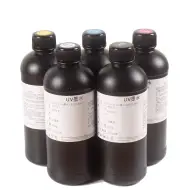
One of the key attributes of GNFEI's A3 DTG Printer is its advanced ink formulation, which ensures superior adhesion to various textile surfaces. This is particularly vital for brands that emphasize durability and quality in their designs, as garments often go through intensive use and repeated washing. With optimized ink viscosity and high UV resistance, the A3 DTG Printer delivers vibrant, fade-resistant prints that meet the expectations of premium fashion consumers. This technology directly supports the growing trend for sustainable apparel, as each print minimizes waste and maximizes material efficiency.
In addition to its ink quality, the A3 DTG Printer employs cutting-edge precision nozzles and automated calibration processes. These features significantly reduce the need for manual adjustments, leading to a faster and more consistent output. For small fashion brands leveraging print-on-demand models, this ensures minimal operational downtime and allows them to scale efficiently. Moreover, its compact design and energy-efficient operation make it an excellent fit for boutique studios or startups aiming to maintain a low carbon footprint while producing high-impact designs. This aligns perfectly with the consumer demand for environmentally-conscious production methods, including print on demand that reduces inventory risk and enhances operational agility.
From a financial perspective, the B2B return on investment (ROI) for on-demand printing systems such as the A3 DTG Printer is particularly noteworthy. By eliminating the need for large-scale production runs, businesses can reinvest previously locked-up capital into areas like marketing or product development. Additionally, the ability to rapidly prototype and test new collections using this device ensures a shorter design-to-market cycle, a critical advantage in today's fast-paced fashion industry. For emerging brands, this agility allows them to respond swiftly to evolving trends and consumer demands without overextending resources or incurring unnecessary overhead.
Frequently Asked Questions
- Q: What types of fabrics are compatible with the GNFEI A3 DTG Printer?
A: The A3 DTG Printer is optimized for natural textiles such as cotton, bamboo, and hemp, as well as cotton-polyester blends, ensuring a wide application range for sustainable and eco-friendly clothing lines. - Q: How does the A3 DTG Printer support eco-conscious manufacturing?
A: By utilizing water-based inks and on-demand production processes, this printer minimizes waste, conserves resources, and aligns with sustainable manufacturing goals. - Q: Can the A3 DTG Printer handle batch production for limited editions?
A: Yes, this printer is designed to efficiently produce both single custom pieces and small batch runs, making it ideal for limited-edition designs and personalized collections. - Q: Does the A3 DTG Printer require any specialized training to operate?
A: The printer features a user-friendly interface and automated setup processes, allowing even inexperienced operators to achieve professional-grade results with minimal training. - Q: What maintenance is required for the A3 DTG Printer?
A: Routine maintenance involves cleaning printheads, ensuring proper ink flow, and periodic software updates, all of which are facilitated by the printer's intuitive design and support documentation.