How to Maintain Your DTG Printer for Long-Term Performance and Profitability
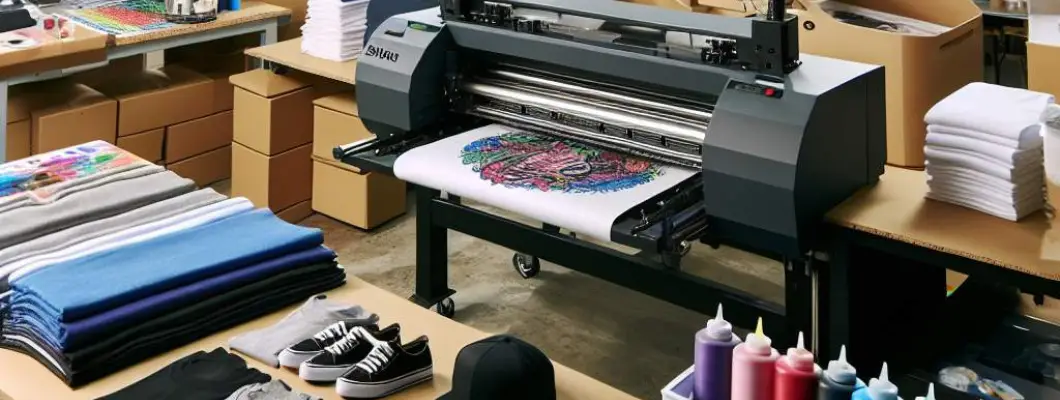
How to Maintain Your DTG Printer for Long-Term Performance and Profitability
Investing in a Direct-to-Garment (DTG) printer is a significant step toward producing high-quality apparel and expanding your print business. However, the true value lies not just in the initial purchase but in how well you maintain and care for your equipment over time. Proper maintenance ensures consistent print quality, reduces costly downtime, and extends the lifespan of your investment, which ultimately boosts your profitability. In this guide, we"ll explore essential tips and best practices to keep your DTG printer running smoothly for the long haul.
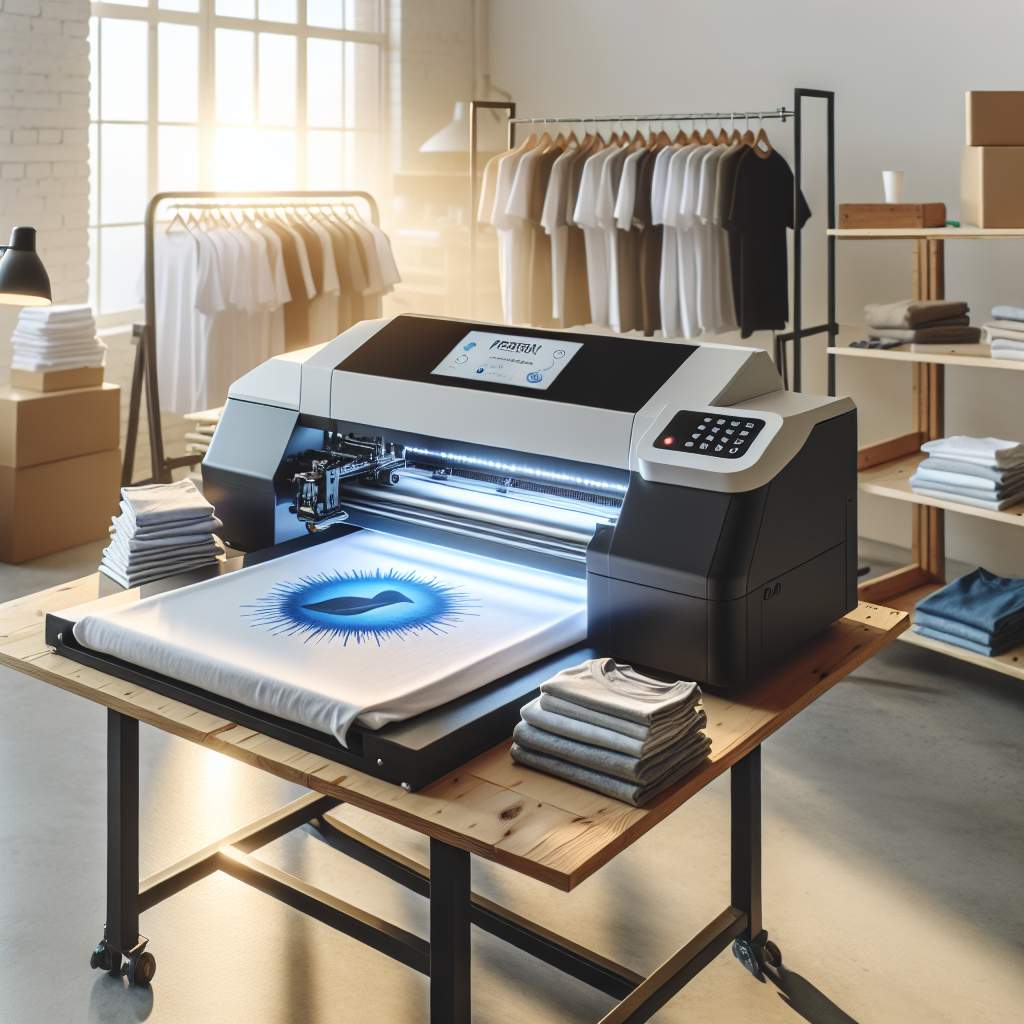
Regular Cleaning Is Key to Optimal Performance
One of the most critical aspects of maintaining your DTG printer is establishing a regular cleaning routine. Residue from ink, lint from textiles, and dust can accumulate inside the print head and other components, leading to clogs, streaks, or compromised print quality. Daily cleaning of the print head and nozzle checkups help prevent these issues. Additionally, cleaning the print platen and surrounding areas reduces the risk of debris affecting prints. Using manufacturer-recommended cleaning solutions and tools ensures compatibility and effective cleaning. Remember, a clean printer performs better and lasts longer.
Perform Routine Maintenance Checks
Beyond cleaning, routine maintenance involves inspecting your DTG printer"s moving parts, belts, and electrical connections. Check for signs of wear and tear, loose screws, or worn belts that could affect print accuracy. Lubricate moving parts as specified in the user manual to keep everything operating smoothly. Regular calibration is also vital—this includes aligning the print head and ensuring color accuracy. Proper calibration prevents misprints, saves ink, and maintains professional-quality output. Schedule weekly or bi-weekly maintenance checks to catch issues early before they escalate.
Use Quality Ink and Supplies
Maintaining your DTG printer isn"t just about cleaning and mechanical upkeep; using high-quality inks and textiles is equally important. Inferior inks can clog print heads more quickly and produce inconsistent colors, leading to increased maintenance needs and customer dissatisfaction. Always use inks recommended by your printer manufacturer to ensure compatibility and optimal performance. Additionally, pre-treatment products should be applied correctly and consistently to achieve vibrant, durable prints. Proper supply management reduces downtime caused by ink shortages or incompatible materials.
Implement Proper Handling and Storage Procedures
The environment where your DTG printer operates significantly impacts its performance. Keep the machine in a clean, dust-free, and climate-controlled area. Exposure to humidity, extreme temperatures, or direct sunlight can deteriorate the printer"s internal components and ink quality. Store inks and chemicals in a cool, dry place, away from direct sunlight, and follow storage guidelines for maximum shelf life. Handling textiles carefully—avoiding snagging or bending—also prolongs the life of your print media, ensuring consistent results every time.
Leverage Manufacturer Support and Warranty
Even with diligent care, occasional issues may arise. Establish a good relationship with your DTG printer"s manufacturer or authorized service provider. Regularly update firmware and software to benefit from the latest features and bug fixes. Keep up with manufacturer recommended maintenance schedules and utilize warranty services when necessary. This not only ensures your equipment remains in top condition but also protects your investment financially. Don"t hesitate to seek professional maintenance or repairs to prevent minor problems from becoming major operational disruptions.
Visit a Professional for Deep Servicing
While routine cleaning and checks are manageable for most, routine professional servicing can extend your printer"s lifespan considerably. Professional technicians have specialized tools and knowledge to perform deep cleaning, calibration, and troubleshooting. Scheduling an annual or bi-annual servicing helps keep your DTG printer operating at peak performance, especially if you run a high-volume shop. Investing in professional maintenance can translate into fewer breakdowns, better print quality, and peace of mind knowing your equipment is well cared-for.
Enhance Your Printing Business with Reliable Equipment
Maintaining your DTG printer isn"t just about the equipment—it's about ensuring your entire printing operation stays profitable and efficient. When your printer produces consistent, high-quality prints, customer satisfaction improves, leading to repeat business and positive word-of-mouth. Plus, a well-maintained machine reduces waste and ink consumption, saving costs in the long run. If you're looking for a reliable DTG printer that"s easy to maintain and delivers exceptional quality, check out the A3 DTF Printer, designed with durability and ease of maintenance in mind.
Final Thoughts: Invest in Maintenance for Long-Term Gains
Maintaining your DTG printer involves a combination of daily care, regular inspections, proper handling, and professional servicing. Consistency here makes a significant difference—ensuring your equipment performs at its best and remains a profitable asset for your business. Remember, a well-maintained DTG printer not only delivers outstanding print quality but also minimizes downtime and repair costs, directly impacting your bottom line. With these tips, you'll be well on your way to maximizing the lifespan and profitability of your DTG printing setup. Happy printing!
Advanced Technical Insights & Application Analysis
One of the most innovative aspects of modern DTG printers is their ability to balance high-resolution output with operational efficiency. Advanced nozzle technologies, such as those integrated into GNFEI's offerings, allow precise inkjet delivery, minimizing ink waste while ensuring vibrant color stability. This precision reduces the frequency of nozzle clogs, even when processing high-volume orders. Additionally, the streamlined calibration systems found in state-of-the-art models significantly reduce setup time, enabling businesses to scale operations without sacrificing quality.
Another key technical advantage lies in the compatibility of these printers with diverse ink formulations, particularly optimized pigment inks with high adhesion properties. When paired with effective pre-treatment techniques, these inks yield unparalleled durability and resistance to fading, making them ideal for both retail and B2B applications. Integrating cleaning DTG printers into daily workflows ensures that ink pathways remain unobstructed, safeguarding print quality and extending the life span of critical components. Proper daily maintenance paired with advanced ink technologies not only enhances output precision but also reduces overhead by maximizing machine uptime.
Moreover, modern DTG printer designs prioritize environmental sustainability through efficient energy consumption and reduced chemical leakage during UV curing or ink setting processes. These advancements benefit companies striving to align with eco-friendly policies while sustaining high-performance industrial printing standards. When maintenance protocols are properly followed, businesses can dramatically increase their return on investment (ROI), effectively turning the machinery into a long-term asset capable of handling high-demand enterprises.
Frequently Asked Questions
- What’s the best way to prevent ink clogs in DTG printers?
To prevent ink clogs, prioritize daily cleaning and perform nozzle checks to clear residual pigments. Always use manufacturer-recommended cleaning solutions and ensure proper humidity levels in your workspace to maintain ink consistency.
- How can I ensure vibrant and durable prints on textiles?
Use high-quality pigment inks and apply accurate pre-treatment methods tailored to your fabric type. Combined with routine print head calibration and cleaning DTG printers regularly, you’ll achieve superior color vibrancy and longevity.
- What environmental factors affect a DTG printer’s performance?
Humidity, temperature, and air quality significantly impact operation. Maintain a dust-free, climate-controlled workspace to protect sensitive components and ink quality from degradation.