How to Profit from the Hyper-Personalization Boom with a DTG Printer
Are You Struggling to Profit from the Hyper-Personalization Boom?
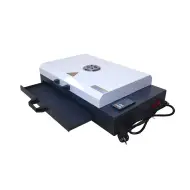
If you"ve been paying attention lately, you know that consumers crave unique, personalized products now more than ever. But here"s the thing—how do you turn that trend into real profit? Many business owners face challenges trying to tap into this hyper-personalization wave. The good news? With a Direct-to-Garment (DTG) printer, like the A3 DTG Printer, you can unlock new revenue streams and elevate your brand. Let"s explore how to make it happen.
Why Is Hyper-Personalization a Goldmine Right Now?
The Shift in Consumer Expectations
Today"s buyers want products that Echo their personality. No more generic designs or mass-produced items. They want exclusivity and a personal touch. Custom apparel, personalized gifts, even niche retail merchandise are flying off the shelves because they fulfill this need.
The Market Is Growing Fast
According to recent reports, the custom apparel industry is expected to grow over 9% annually. That"s a significant jump. This growth isn"t slowing down. Consumers are willing to pay a premium for products tailored specifically for them.
How Does a DTG Printer Fit In?
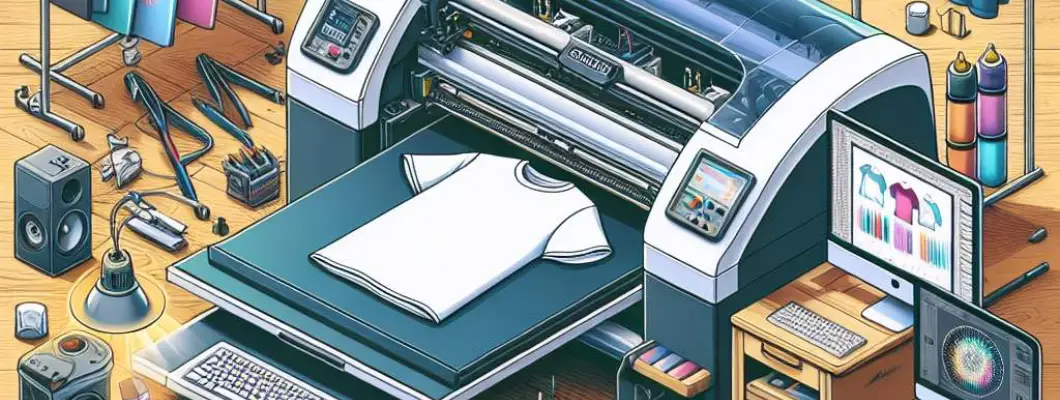
DTG printing offers **high-quality, full-color, durable designs** directly on fabrics. It"s perfect for short runs, one-off designs, or personalized collections. Think about it—no minimum orders, rapid turnaround, and vibrant prints. It"s what your customers want and what you need to stay competitive.
Getting Started with Hyper-Personalization Using a DTG Printer
Invest in the Right Equipment
- Choose a reliable DTG printer: Consider models like the A3 DTG Printer. It offers superb print quality and ease of use.
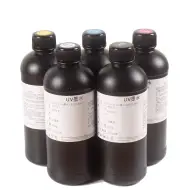
- Use high-quality inks and pre-treatment solutions: This ensures your prints last, stay vibrant, and adhere well to fabrics.
- Invest in a good workspace: Ventilation and clean environment make a difference in print quality and machine longevity.
Design with Personalization in Mind
Your designs should resonate emotionally and be easy to customize. Think about:
- Offering customization options like names, dates, or personalized graphics.
- Creating templates that can quickly be adjusted for each customer.
- Using user-friendly design software compatible with your DTG printer.
Streamline Order Processing and Customer Experience
Set up an efficient order flow:
- Allow customers to upload their designs or choose from templates.
- Offer mockups showing how the final product will look.
- Ensure quick turnaround times and transparent communication.
Remember, a seamless experience leads to repeat business and positive word-of-mouth.
Case Study: From Hobbyist to Profitable Business
Imagine chatting with a friend—Lisa. She started printing custom T-shirts as a hobby, making a few for friends and family. As demand increased, she realized she could turn her hobby into a real business. She invested in a reliable DTG printer and started offering personalized merchandise online. Within a year, her sales soared, and she was even working on collaborations for local events.
This is the power of hyper-personalization with a DTG printer. It"s accessible, scalable, and highly profitable when done right.
Maximize Your Profit Margins
Here"s how to make sure you"re really optimizing your profit:
- Reduce waste: Use high-capacity inks and efficient workflows.
- Upsell personalization options: Offer premium designs or faster shipping for an extra fee.
- Build a brand community: Engage customers via social media, creating loyalty and repeat sales.
- Scale smartly: Start small, refine your process, then expand with new product lines or markets.
Frequently Asked Questions
1. Can I start a personalized apparel business with a small budget?
Yes, a DTG printer like the A3 DTG Printer is an affordable way to get started. You don"t need large minimum orders—just quality equipment and great designs.
2. How long does it take to see a return on investment?
Usually within 6 to 12 months, depending on your marketing efforts and product demand. Focus on building your customer base and offering exclusive options.
3. What types of fabrics are compatible with DTG printing?
Mostly natural fibers like cotton, polyester blends, and some specialty fabrics. Always test your designs on samples first.
4. Is hyper-personalization sustainable for my business?
Absolutely. Personalized products often result in higher margins and customer loyalty, making this a sustainable long-term strategy.
5. How do I stand out with my personalized designs?
Offer unique, trendy graphics, and always listen to customer feedback. Combining quality with creative options is key.