How UV Printing is Enabling Sustainable Small-Batch Manufacturing
How UV Printing is Enabling Sustainable Small-Batch Manufacturing
In today's rapidly evolving manufacturing landscape, sustainability isn't just a buzzword—it's a necessity. Small-batch production, often associated with bespoke, limited-run items, has gained popularity among businesses seeking flexibility, uniqueness, and reduced waste. One technology that is dramatically transforming this sector is UV printing. By offering an eco-friendly alternative with high-precision results, UV printing is empowering manufacturers to produce small quantities more sustainably and efficiently than ever before.
Understanding UV Printing and Its Environmental Benefits
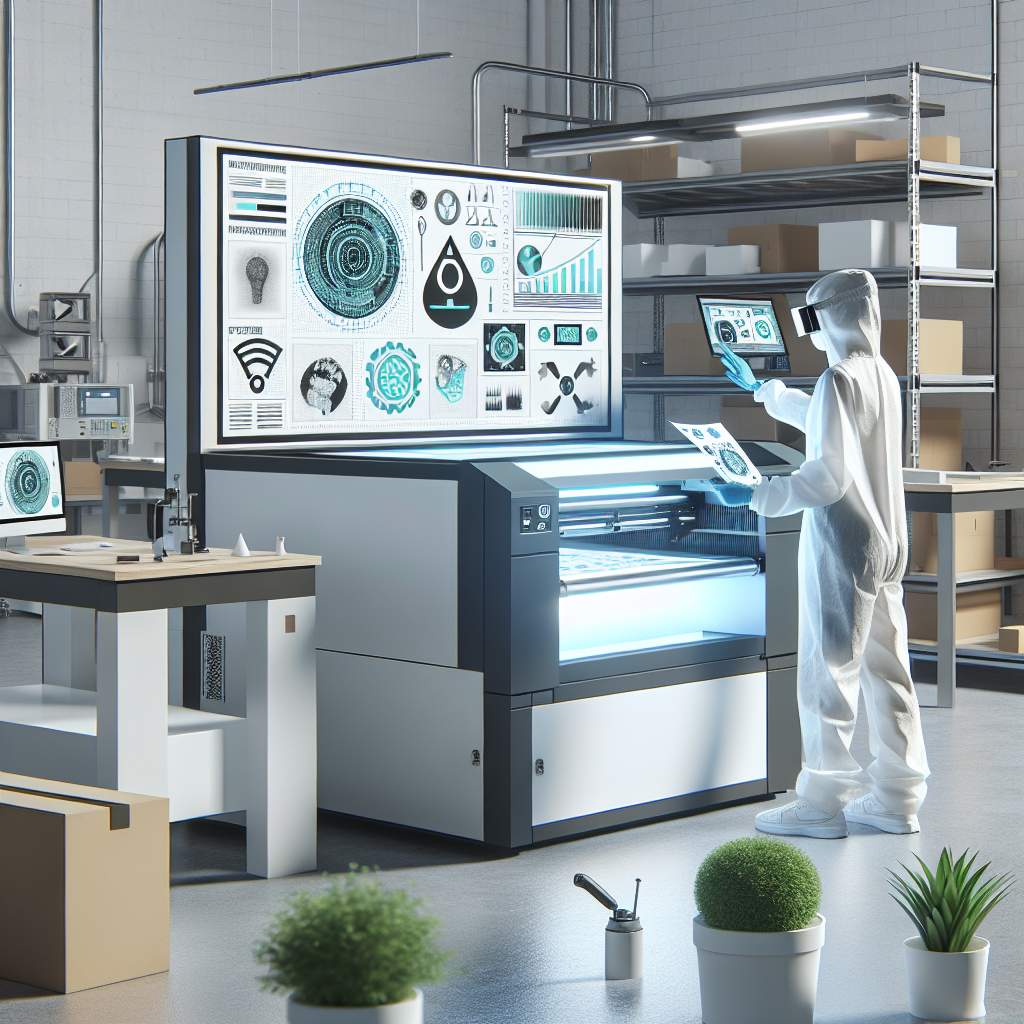
UV printing, or ultraviolet printing, uses ultraviolet light to instantly cure ink onto various surfaces. Unlike traditional printing methods that require lengthy drying times and solvent-based inks, UV printing employs UV-sensitive inks that harden immediately upon exposure to UV light. This process results in vibrant, durable, and high-resolution images with minimal waste. From promotional items and packaging to decorative labels and custom art pieces, UV printing is versatile and optimized for various sectors.
One of the key environmental benefits of UV printing is its ability to significantly reduce VOC (volatile organic compound) emissions. Traditional solvent-based inks emit harmful fumes, contributing to air pollution and health hazards. UV inks are free from solvents, making them a greener choice. Additionally, the instant curing process minimizes ink wastage as fewer repeat prints are necessary. Consequently, UV printing aligns well with the goals of sustainable manufacturing by reducing environmental impact while maintaining top-notch quality.
Advantages for Small-Batch Manufacturers
Small-batch manufacturers often face unique challenges: limited production runs mean higher per-unit costs, and the pressure to minimize waste while maintaining quality can be intense. UV printing addresses these issues effectively. Its precision and rapid turnaround times enable businesses to produce customizable, high-quality items without the need for large-scale setups. This flexibility supports low-volume, personalized manufacturing while reducing material waste—key to sustainability. Moreover, UV printing's ability to print directly onto a wide array of materials, including plastics, glass, metal, and wood, simplifies the production process and reduces the need for multiple printing techniques or conversion steps.
An additional benefit is the capability for quick prototyping and shorter lead times. Small businesses can test products more efficiently without the significant costs associated with conventional printing methods like screen printing or lithography. This agility also encourages innovation, allowing brands to experiment with limited-edition products or personalized offerings without a substantial environmental footprint. The combination of these benefits makes UV printing an ideal technology for eco-conscious, small-batch manufacturers striving for sustainability and agility simultaneously.
Cost-Effectiveness and Reduced Waste
Implementing UV printing can lead to substantial cost savings over time. Since UV inks cure instantly, there is less ink wastage and fewer defective prints, contributing to lower material costs. The precision of modern UV printers also reduces the need for reprints, which not only saves materials but also cuts down on energy consumption. Additionally, UV printing equipment is becoming more energy-efficient and compact, making it suitable for small workshops or even mobile setups. All of these factors combined make UV printing a highly cost-effective solution for small-batch manufacturing businesses committed to sustainability.
By reducing waste and increasing efficiency, UV printing aligns with circular economy principles—encouraging manufacturers to produce only what is needed, with minimal environmental impact. This approach resonates strongly with today"s eco-conscious consumers who prefer products made through sustainable practices. As consumers become more discerning, the ability to offer high-quality, environmentally friendly products can serve as a significant differentiator in competitive markets.
Technological Innovations Supporting Sustainability
The evolution of UV technology continues to incorporate innovative features that enhance its sustainability profile. For instance, advances in LED UV curing systems operate at lower energy levels, further reducing carbon footprints. Also, improvements in ink formulations now include eco-friendly, biodegradable options that ease disposal concerns. Moreover, advancements in advanced printheads and machine interoperability enable faster, more accurate outputs, leaving less room for errors and waste. Manufacturers investing in these cutting-edge systems can significantly reduce their environmental impact while maintaining high standards of product quality.
The Future of UV Printing in Sustainable Manufacturing
The trajectory of UV printing indicates a promising future aligned with environmental sustainability. As regulations tighten around emissions and waste management, UV printing's eco-friendly credentials will become even more valuable. Integration with automation and digital workflows will further streamline small-batch production, making it easier for businesses worldwide to adopt sustainable practices. Furthermore, as bio-based inks and more energy-efficient curing technologies become widely available, the ecological footprint of UV printing will shrink significantly. The potential to produce environmentally responsible, bespoke goods at scale could redefine manufacturing paradigms in the coming years.
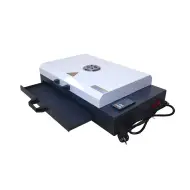
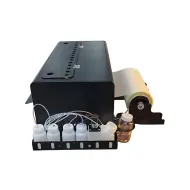
For companies seeking to harness the benefits of UV printing, investing in the right equipment is crucial. The Spot UV Printing Machine from GNFEI exemplifies a versatile and eco-conscious solution for small to medium-sized enterprises aiming for high-quality, sustainable outputs. This equipment supports the production of eye-catching, durable finishes with minimal waste, empowering manufacturers to meet modern sustainability standards while satisfying consumer demands for unique, eco-friendly products.
Conclusion: Embracing Sustainability with UV Printing
UV printing stands at the forefront of a sustainable manufacturing revolution, especially for small-batch producers. Its ecological advantages, cost-effectiveness, versatility, and ability to produce high-quality products quickly are reshaping how businesses approach customization and environmental responsibility. By embracing UV technology, manufacturers can reduce waste, lower their carbon footprint, and meet the rising consumer demand for environmentally conscious products. As the technology continues to improve, its role in sustainable small-batch manufacturing will only grow, paving the way for a greener, more innovative industry future.
Whether you are a startup, an artisan, or an established manufacturer, adopting UV printing can be a strategic step toward more sustainable and profitable operations. Emphasizing eco-friendly practices not only benefits the environment but can also enhance your brand image and foster customer loyalty in a market that increasingly values responsibility and sustainability. Start exploring UV printing solutions today and join the movement towards greener manufacturing practices.
Advanced Technical Insights & Application Analysis
UV printing technologies deliver superior ink adhesion on diverse substrates, ranging from plastics and metals to glass and ceramics. This high level of versatility is supported by advanced ink formulations and precise curing mechanisms, ensuring that prints are not only vibrant but also durable under various environmental conditions. With innovations such as environmentally friendly and low-energy UV printing solutions, manufacturers can achieve top-tier results without compromising sustainability. Low-energy LED curing systems significantly reduce operational power requirements, enhancing energy efficiency and contributing to a reduced carbon footprint.
Another key advantage lies in the optimized UV curing process, which ensures faster production cycles with minimal ink waste. For businesses operating in B2B contexts, this translates to measurable ROI improvements, as reduced material usage and quicker turnaround times lower overall production costs. Furthermore, modern UV printers integrate seamlessly with digital workflows, enabling high-volume, on-demand printing while maintaining exceptional precision and quality. These features make UV printing an ideal choice for small-batch manufacturing where precision and scalability are crucial.
When compared to traditional printing solutions, the cost-effectiveness of UV printing is evident not only in reduced maintenance and energy savings but also in its adaptability to custom and complex designs. The ability to print directly onto non-porous surfaces without additional primers or treatments simplifies the process, further driving efficiency while reducing hazardous by-products during production. This positions UV technology as a cornerstone for businesses prioritizing environmentally conscious manufacturing without sacrificing competitive performance.
Frequently Asked Questions
- What makes low-energy UV printers more sustainable? Low-energy UV printers utilize LED curing systems that require significantly less power than traditional UV sources. This reduces operational energy consumption, helping businesses lower their carbon footprint while maintaining high-quality output.
- Can UV printing handle highly specialized materials? Yes. Advanced UV printers are designed to accommodate a wide variety of substrates, including metals, plastics, glass, and wood. This versatility allows manufacturers to explore diverse applications with minimal adjustments or additional processing steps.
- What is the expected return on investment (ROI) for UV printing equipment? The ROI for UV printing equipment is typically accelerated by its efficiency in ink usage, reduced material wastage, and ease of adaptation to small-batch or on-demand production. Additionally, its energy-efficient operation leads to cost savings over time, offering long-term financial and environmental benefits.