Innovative Printing Technologies Transforming Coffee and Food Presentation

In recent years, the world of culinary arts and beverage presentation has experienced a remarkable transformation thanks to advancements in printing technology. At the forefront of this revolution are innovative devices like coffee printers, edible food printers, and foam drinks printers. These cutting-edge tools do not just serve as aesthetic enhancers—they open up a whole new realm of possibilities for cafes, restaurants, event planners, and food enthusiasts worldwide. Imagine customizing intricate latte art or printing edible images directly onto cakes, chocolates, or even beverages. This new wave of printing technology is reshaping how we think about food and drink presentation, making it more personalized, engaging, and creative than ever before.
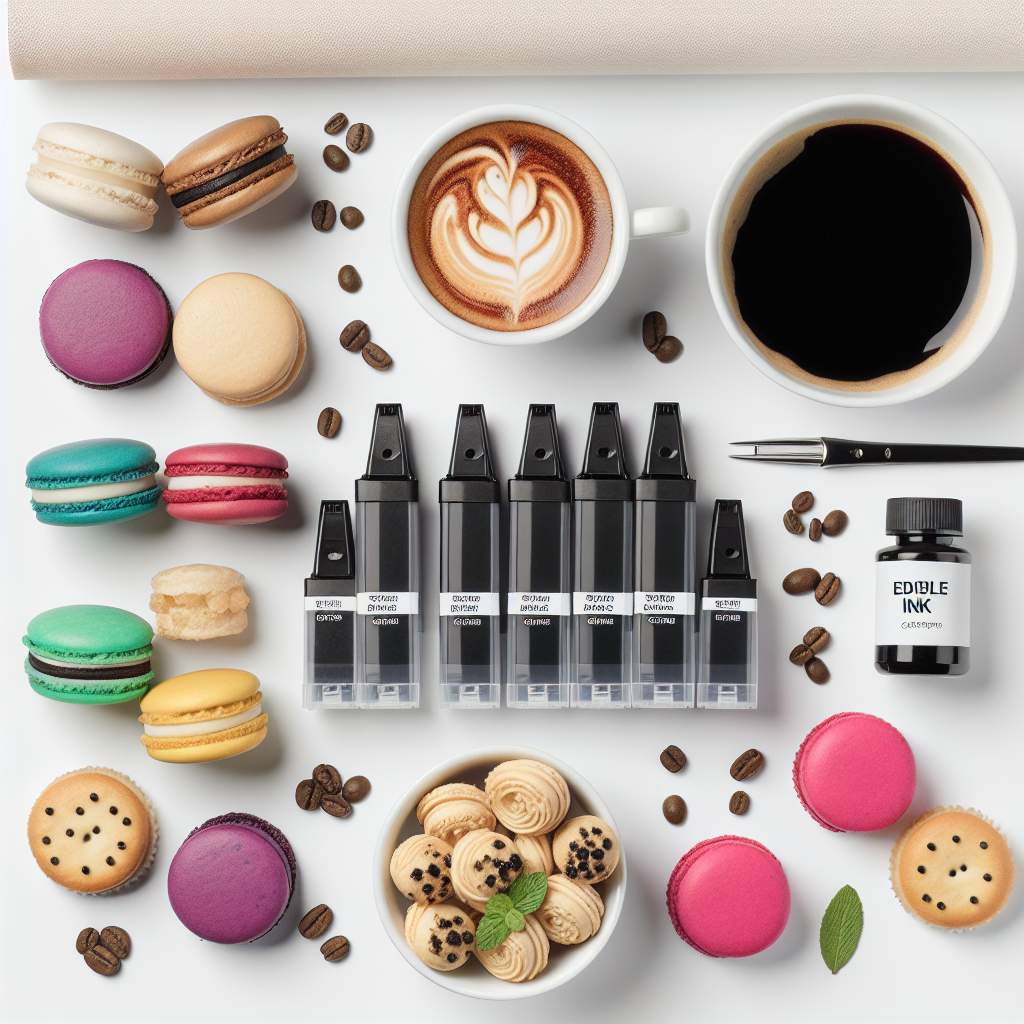
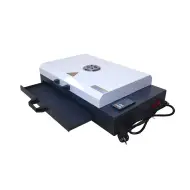
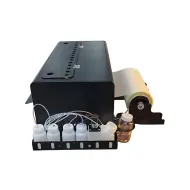
The core technology behind these devices involves precise printing mechanisms that deposit food-safe inks or edible pigments onto various surfaces. Coffee printers, for example, utilize edible ink cartridges that can print detailed images, logos, or messages directly onto the surface of a freshly brewed latte or cappuccino. This allows baristas to add artistic flair or branding to each cup, transforming a simple beverage into an eye-catching masterpiece. Similarly, edible food printers are capable of printing high-resolution edible images onto cakes, cookies, and chocolates. These printers can reproduce fine details, including photographs, text, or complex patterns, offering unprecedented customization options for special occasions or commercial use. Meanwhile, foam drinks printers extend these capabilities into the realm of textured beverages, enabling personalized foam decorations and creative designs that captivate customers and elevate overall presentation standards.
One of the most exciting aspects of these printing devices is their ability to enhance customer engagement. In a competitive foodservice industry, offering visually stunning products can set a business apart. Customers are increasingly seeking personalized experiences—whether it"s a latte with their pet"s image, a birthday cake with a custom photo, or a latte art design that reflects their personality. By integrating coffee and food printers, establishments can provide bespoke creations that delight patrons and encourage social media sharing, thus boosting marketing reach organically. Additionally, these printers support creativity by allowing operators to implement seasonal or thematic designs effortlessly, making every dish or drink feel unique and special.
Beyond aesthetic appeal, these printing solutions also improve efficiency and consistency. Traditional methods of decorating food—manual piping, hand painting, or stenciling—can be time-consuming and unpredictable. Automated edible printers deliver high-quality output with precision and repeatability, reducing labor costs and minimizing errors. This consistency is especially valuable in commercial settings such as bakeries, pastry shops, and catering services where uniformity matters. Furthermore, these devices can be integrated with digital design software, enabling quick customization and rapid production. This synergy simplifies workflows and allows even small businesses to offer professional-grade edible printing services.
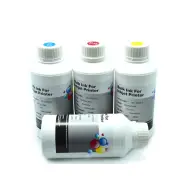
Environmental considerations are also important in today"s industry. Many of these printers use food-safe, biodegradable inks that are non-toxic and suitable for consumption. The inks are specially formulated to ensure vibrant colors and sharp details while adhering to health and safety standards. Their use aligns with the increasing demand for clean-label, natural, and allergen-free ingredients in food production. As technology advances, we can expect even more eco-friendly printing solutions that minimize waste and energy consumption, making these innovations not just visually appealing but also environmentally responsible.
Implementing these printing devices involves some initial investment, but the benefits far outweigh the costs. For cafes, restaurants, and catering businesses, offering printed beverages and edible decorations can open new revenue streams and attract a broader clientele. Additionally, they serve as a powerful marketing tool—unique visual presentation can lead to viral social media content, attracting curious new customers. Furthermore, enthusiasts and hobbyists are discovering the joy of creating customized edible art at home, thanks to compact and user-friendly models available on the market. The accessibility of these printers is democratizing the art of edible decoration, inspiring innovation across the food and beverage sector.
If you're interested in exploring how these printing technologies can elevate your foodservice or culinary projects, you can learn more about the 3D Latte Coffee Printer and Food Printer. These versatile devices are designed to be easy to operate, professional-quality, and highly customizable, making them an ideal addition for those eager to push creative boundaries. Whether you aim to print detailed edible images or intricate foam art, these printers provide reliable performance and exceptional results. Incorporating such innovative solutions can redefine your offerings, impress your customers, and set your brand apart in a competitive market.
Looking ahead, the future of printing technology in food and beverage presentation appears limitless. Advancements in ink formulations, printing speed, and software integration will continue to expand creative possibilities. The integration of artificial intelligence and machine learning could lead to even more personalized and dynamic edible designs, tailored precisely to individual preferences or branding needs. Moreover, as sustainability becomes a crucial concern, environmentally friendly and biodegradable printing materials will become standard, making these devices even more appealing for eco-conscious businesses and consumers alike. Embracing these innovations today positions your enterprise at the forefront of culinary evolution, perfectly aligned with contemporary trends and consumer expectations.
In conclusion, the advent of coffee printers, edible food printers, and foam drinks printers marks a significant leap forward in how we present and enjoy food and beverages. These tools not only enable stunning visual effects but also facilitate customization, efficiency, and sustainability. Whether you are a food business owner looking to impress customers, a pastry artist seeking intricate edible designs, or a hobbyist eager to experiment creatively at home, these printing technologies offer invaluable opportunities. As the industry continues to evolve, staying informed and adopting innovative solutions will help you stand out and keep up with the ever-changing landscape of gastronomy and beverage artistry. Embrace the future of edible printing and transform your culinary creations into memorable experiences that captivate and delight.
Advanced Technical Insights & Application Analysis
The new wave of coffee printer technology exemplifies a convergence of precision engineering and culinary innovation. These devices leverage advanced printing mechanisms such as synchronized jetting systems and cutting-edge ink formulations to deliver high-resolution edible designs that maintain their integrity even on challenging surfaces like foam or textured pastries. One technical standout is the ink absorption and adherence capability, which ensures patterns remain sharp and vibrant without bleeding or distortion, irrespective of ambient conditions. This capability is particularly useful for high-volume cafés and restaurants that demand consistent results under diverse service circumstances.
Another critical element in coffee printers and edible food printing devices is their interoperability with software solutions designed for rapid customization. Many models now integrate seamlessly with digital design tools such as vector-based applications, enabling users to convert intricate shapes and logos into reproducible edible prints within seconds. Additionally, the automated calibration systems embedded in these printers mitigate common issues like misalignment and ink smearing, streamlining operations and minimizing downtime. For businesses focusing on scalability, adopting such efficient systems offers measurable ROI through reduced labor costs, faster production cycles, and enhanced customer retention due to improved presentation standards.
Sustainability remains a focal area, and recent innovations in printing materials illustrate this commitment. Coffee printers, for example, now support biodegradable edible inks that reduce environmental impact while maintaining compliance with global food safety certifications. UV-curable technologies, which are already prevalent in other printing sectors, are being explored to further enhance the durability of printed designs on edible substrates. These advancements highlight the industry's drive toward eco-conscious solutions, giving B2B entities the added confidence to invest in sustainable equipment without sacrificing quality or performance.
Frequently Asked Questions
- What are the key benefits of integrating new wave coffee printer systems into commercial operations? These systems provide enhanced customization, consistency, and efficiency. They allow businesses to create unique, visually captivating designs while reducing manual labor and improving brand engagement through personalized offerings.
- Is the edible ink used in coffee printers safe for consumption? Yes, the edible ink cartridges are food-grade and meet both local and international health and safety standards. They are specifically formulated to ensure vibrant color reproduction without compromising taste or safety.
- Can these printers handle high-volume printing demands? Absolutely. Professional-grade printers are designed to operate continuously and maintain their quality output, making them ideal for busy commercial environments such as cafés, bakeries, and catering services.
- Do coffee printers require specialized training for operation? Not necessarily. While some advanced customization features may benefit from a basic understanding of graphic design, most devices are equipped with user-friendly interfaces and automated calibration, enabling quick adaptation for staff at all skill levels.
- What factors should businesses consider when choosing a coffee and food printer? Key considerations include print resolution capabilities, ink compatibility with various substrates, software integration, operational volume capacity, and support for sustainable materials. Businesses should evaluate these factors in alignment with their unique operational needs and customer demographics.